Kudankulam Nuclear Plant Data Leak: Safety Uncompromised
Data leak at Kudankulam Nuclear Power Plant, NPCIL assures safety and security intact
'%3E%3Crect%20width%3D'96'%20height%3D'96'%20fill%3D'%23B3261E'%2F%3E%3Ccircle%20cx%3D'30'%20cy%3D'24'%20r%3D'44'%20fill%3D'%23fff'%20opacity%3D'.12'%2F%3E%3Ccircle%20cx%3D'60'%20cy%3D'74'%20r%3D'40'%20fill%3D'%23000'%20opacity%3D'.10'%2F%3E%3C%2Fg%3E%3Cg%20fill%3D'%23fff'%3E%3Crect%20x%3D'29'%20y%3D'49'%20width%3D'8'%20height%3D'19'%20rx%3D'1'%2F%3E%3Crect%20x%3D'39'%20y%3D'40'%20width%3D'9'%20height%3D'28'%20rx%3D'1'%2F%3E%3Crect%20x%3D'50'%20y%3D'45'%20width%3D'8'%20height%3D'23'%20rx%3D'1'%2F%3E%3Crect%20x%3D'60'%20y%3D'53'%20width%3D'7'%20height%3D'15'%20rx%3D'1'%2F%3E%3Crect%20x%3D'41'%20y%3D'34'%20width%3D'5'%20height%3D'6'%2F%3E%3C%2Fg%3E%3C%2Fsvg%3E)
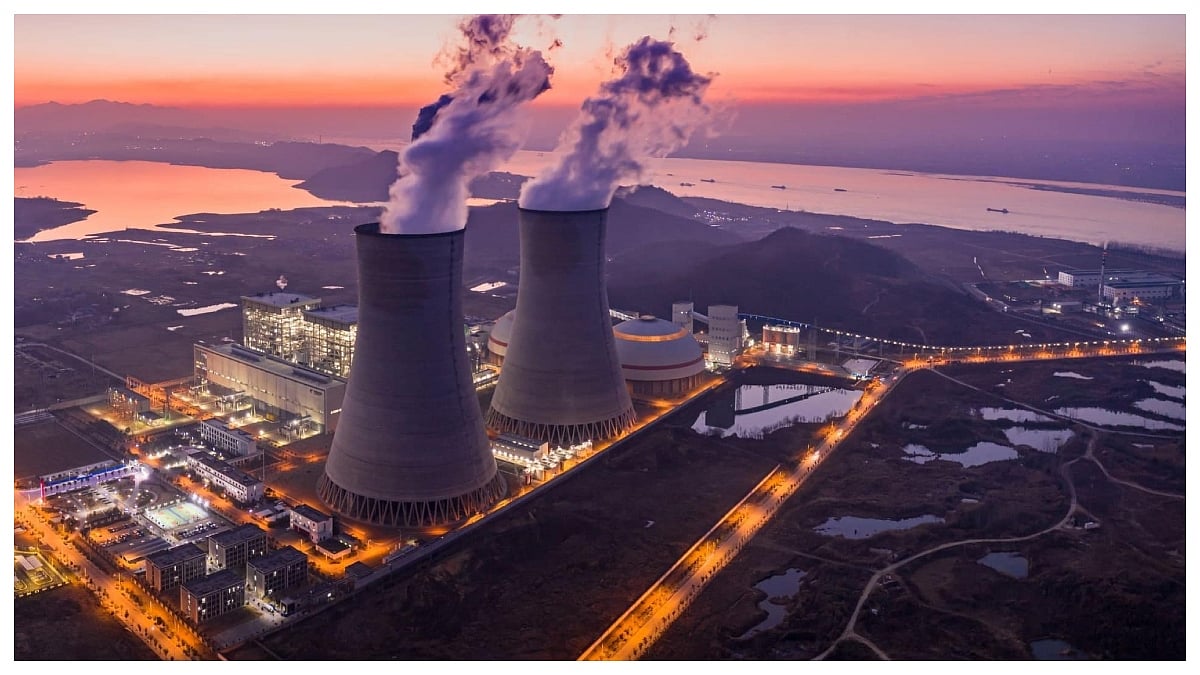
A recent data leak at the Kudankulam Nuclear Power Plant in Tamil Nadu has raised concerns over the facility's safety and security. However, according to Rajesh V, Acting Chairman and Managing Director of the Nuclear Power Corporation of India Limited (NPCIL), the leak did not compromise the plant's nuclear safety or security systems.
The data leak was linked to a ransomware group called World Leaks, which published files allegedly associated with the Kudankulam Nuclear Power Plant on the dark web. The leaked material included facility layouts, supplier information, inspection records, and equipment assessment documents.
NPCIL has clarified that the exposed information was related only to common service and balance-of-plant systems, which operate independently of the plant's critical nuclear infrastructure. The company has assured that the reactor's core systems, supplied by Russia's state-owned nuclear company, Rosatom, were not affected.
The Kudankulam Nuclear Power Plant is India's largest nuclear power station, with a planned generation capacity of 6,000 MW. The plant is situated in Tamil Nadu and is operated by NPCIL, a government-owned enterprise responsible for building and operating all commercial nuclear power plants across India.
The data leak is believed to have occurred due to a partial data breach at a third-party data centre hosting some of the contractor's servers. The contractor did not disclose the exact nature of the compromised information.
This is not the first cybersecurity incident involving the Kudankulam plant. In 2019, NPCIL confirmed that malware had been detected on one of its computers but maintained that the nuclear plant's operational systems remained unaffected.
The incident highlights the importance of cybersecurity in the nuclear sector. NPCIL has assured that it is taking all necessary measures to ensure the safety and security of its facilities.
The Kudankulam Nuclear Power Plant is a critical component of India's energy infrastructure, and any compromise to its safety and security could have significant consequences. However, according to NPCIL, the recent data leak did not pose a risk to the plant's operational safety.
The incident has also raised concerns over the vulnerability of critical infrastructure to cyber threats. The use of ransomware by groups like World Leaks has become increasingly common, and organizations must take proactive measures to protect themselves against such threats.
In conclusion, while the data leak at the Kudankulam Nuclear Power Plant is a cause for concern, NPCIL has assured that the plant's safety and security systems remain intact. The incident highlights the importance of cybersecurity in the nuclear sector and the need for organizations to take proactive measures to protect themselves against cyber threats.
The safety and security of nuclear power plants are of paramount importance, and any compromise to these systems could have significant consequences. The recent data leak at the Kudankulam Nuclear Power Plant is a reminder of the need for constant vigilance and proactive measures to protect critical infrastructure from cyber threats.