Lake Powell May Be Drained To Save Lake Mead
Scientists propose draining Lake Powell to save Lake Mead. Drought affects western US water supplies.

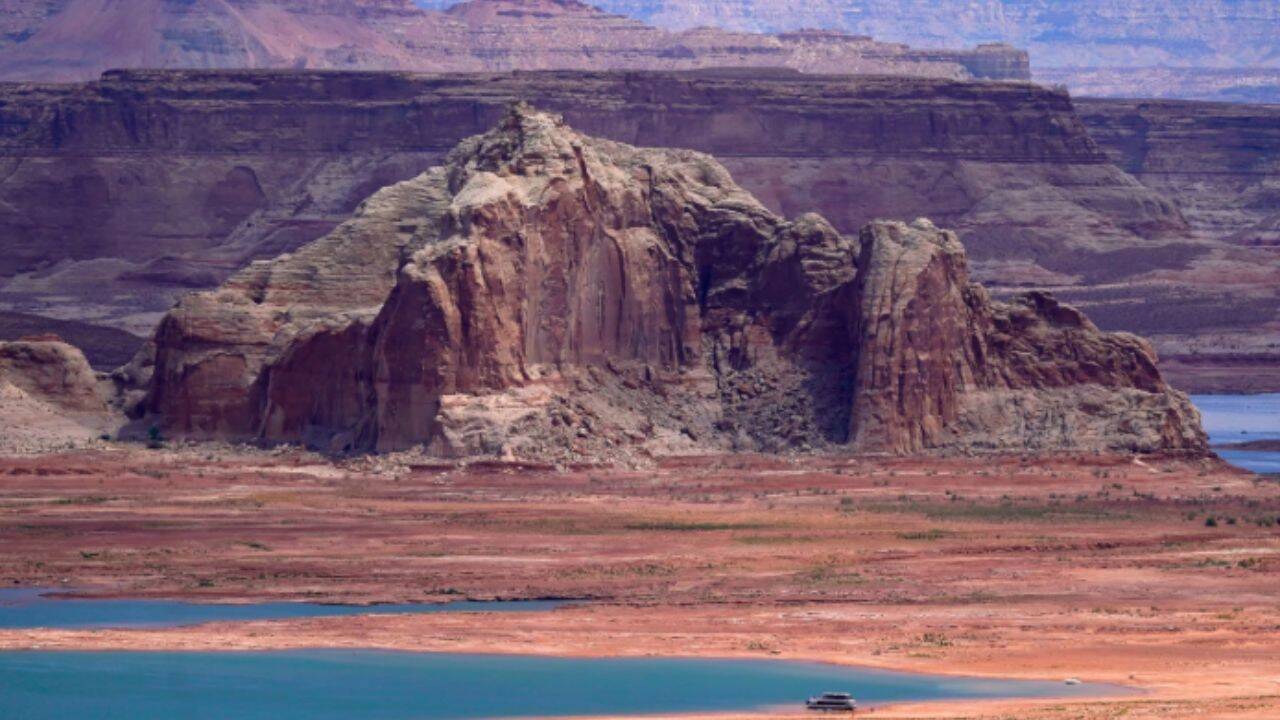
A drastic proposal has been put forth by a Colorado River expert to address the ongoing drought conditions in the western United States. The plan involves draining Lake Powell and transferring its water to Lake Mead, which has a greater capacity for water storage.
The idea behind this proposal is to maximize the usable water storage in the region, as Lake Powell's dam infrastructure limits its capacity. By transferring water from Lake Powell to Lake Mead, the overall water storage in the region can be optimized.
The proposal suggests a gradual transfer of water from Lake Powell to Lake Mead. However, this plan also comes with a potential consequence: the exposure of Glen Canyon, which is currently submerged under the waters of Lake Powell.
The Colorado River is a vital source of water for millions of people in the western United States, and the ongoing drought conditions have raised concerns about the long-term sustainability of the water supply. The proposal to drain Lake Powell and transfer its water to Lake Mead is an attempt to find a solution to this problem.
Lake Mead is the largest reservoir in the United States, and it has been facing severe water shortage due to the drought. The water level in Lake Mead has been declining steadily over the years, and it has reached historic lows.
The proposal to drain Lake Powell and transfer its water to Lake Mead is a complex one, and it requires careful consideration of the potential consequences. However, it is also a necessary step towards finding a long-term solution to the water management problems in the region.
The western United States is facing an unprecedented drought, and the water supplies are under severe stress. The proposal to drain Lake Powell and transfer its water to Lake Mead is an attempt to address this problem and ensure a sustainable water supply for millions of people.
In conclusion, the proposal to drain Lake Powell and transfer its water to Lake Mead is a drastic but necessary step towards addressing the ongoing drought conditions in the western United States. It is a complex issue that requires careful consideration of the potential consequences, but it is also a necessary step towards finding a long-term solution to the water management problems in the region.
This move could have significant implications for water management in the western United States, and it will be closely watched by experts and stakeholders in the region. As the drought conditions continue to affect the water supplies, it is essential to explore all possible solutions to ensure a sustainable water supply for millions of people.
The long-term sustainability of the water supply in the western United States is a critical issue that requires immediate attention. The proposal to drain Lake Powell and transfer its water to Lake Mead is an attempt to address this issue, and it is a step towards finding a solution to the water management problems in the region.
Ultimately, the decision to drain Lake Powell and transfer its water to Lake Mead will depend on a careful evaluation of the potential consequences and the benefits of the proposal. However, it is clear that something needs to be done to address the ongoing drought conditions and ensure a sustainable water supply for millions of people in the western United States.
The proposal to drain Lake Powell and transfer its water to Lake Mead is a significant development in the ongoing efforts to address the water management problems in the western United States. It is a complex issue that requires careful consideration, but it is also a necessary step towards finding a long-term solution to the problem.
In the context of the ongoing drought conditions in the western United States, the proposal to drain Lake Powell and transfer its water to Lake Mead is a timely and necessary step. It is an attempt to address the water management problems in the region and ensure a sustainable water supply for millions of people.
The significance of this proposal cannot be overstated, as it has the potential to impact the lives of millions of people in the western United States. The decision to drain Lake Powell and transfer its water to Lake Mead will be closely watched by experts and stakeholders in the region, and it will have significant implications for the long-term sustainability of the water supply.
For India, this news may not have direct implications, but it highlights the importance of water management and the need for sustainable solutions to address drought conditions. As India also faces water management challenges, this proposal serves as a reminder of the need for innovative and long-term solutions to address these challenges.
In conclusion, the proposal to drain Lake Powell and transfer its water to Lake Mead is a significant development in the ongoing efforts to address the water management problems in the western United States. It is a complex issue that requires careful consideration, but it is also a necessary step towards finding a long-term solution to the problem.
The proposal has significant implications for the long-term sustainability of the water supply in the western United States, and it serves as a reminder of the need for innovative and long-term solutions to address water management challenges. As the world faces increasing water scarcity, this proposal highlights the importance of exploring all possible solutions to ensure a sustainable water supply for millions of people.