Microplastics Found in 92% of Deep-Sea Animals
Microplastics pollute deep-sea vents, Indian Ocean animals affected. High levels found in 92% of examined animals.
'%3E%3Crect%20width%3D'96'%20height%3D'96'%20fill%3D'%23B3261E'%2F%3E%3Ccircle%20cx%3D'30'%20cy%3D'24'%20r%3D'44'%20fill%3D'%23fff'%20opacity%3D'.12'%2F%3E%3Ccircle%20cx%3D'60'%20cy%3D'74'%20r%3D'40'%20fill%3D'%23000'%20opacity%3D'.10'%2F%3E%3C%2Fg%3E%3Cg%20fill%3D'%23fff'%3E%3Crect%20x%3D'29'%20y%3D'49'%20width%3D'8'%20height%3D'19'%20rx%3D'1'%2F%3E%3Crect%20x%3D'39'%20y%3D'40'%20width%3D'9'%20height%3D'28'%20rx%3D'1'%2F%3E%3Crect%20x%3D'50'%20y%3D'45'%20width%3D'8'%20height%3D'23'%20rx%3D'1'%2F%3E%3Crect%20x%3D'60'%20y%3D'53'%20width%3D'7'%20height%3D'15'%20rx%3D'1'%2F%3E%3Crect%20x%3D'41'%20y%3D'34'%20width%3D'5'%20height%3D'6'%2F%3E%3C%2Fg%3E%3C%2Fsvg%3E)
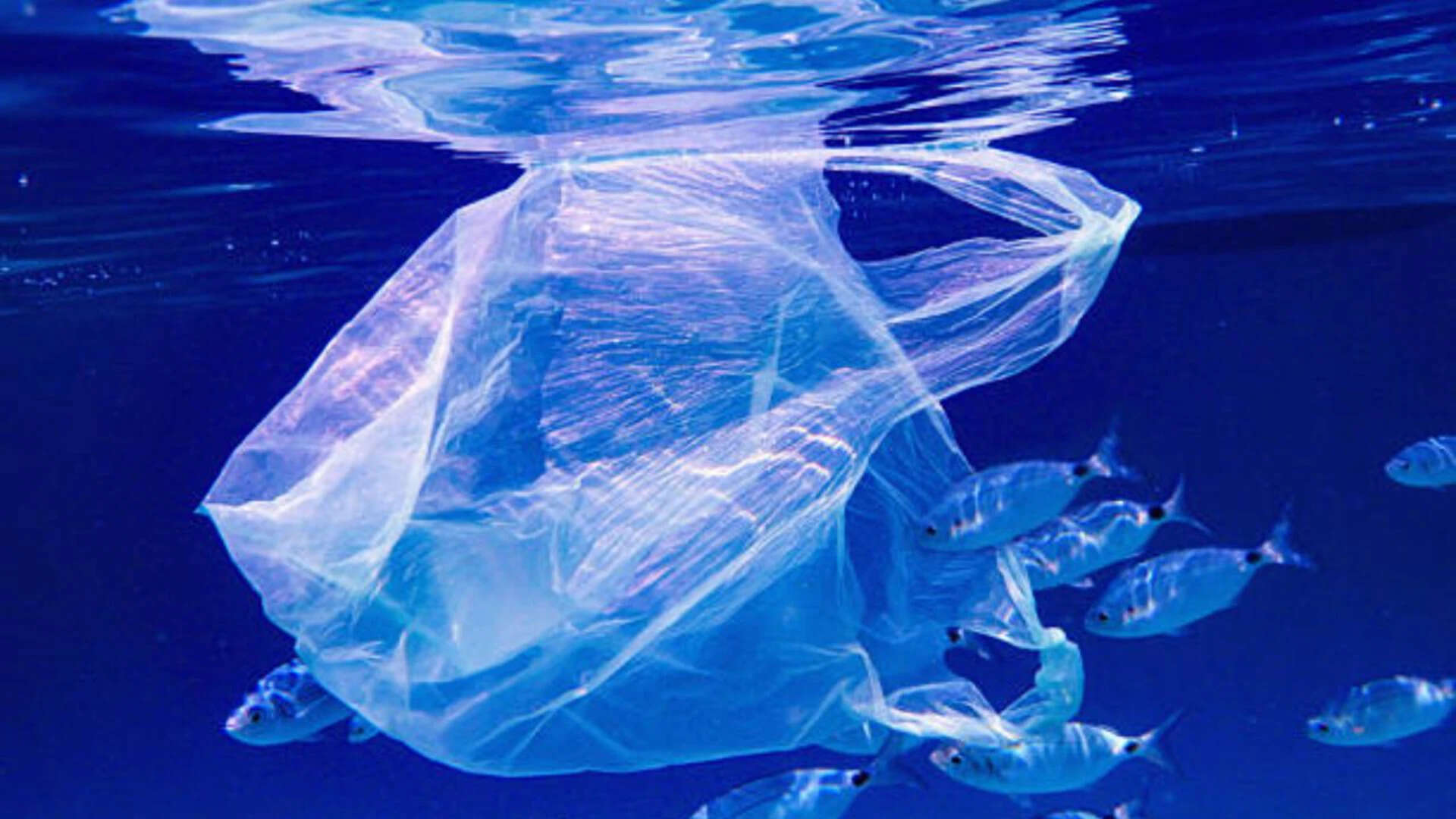
A recent study has revealed that microplastics have contaminated remote deep-sea hydrothermal vent ecosystems worldwide. The research found that a staggering 92% of examined deep-sea animals contained microplastics.
The study discovered that polystyrene was the most common type of plastic particle found in these animals. It also noted that the feeding behavior of the animals played a significant role in the accumulation of microplastics within their bodies.
The research compared microplastic concentrations in animals from the Indian Ocean and the Pacific Ocean. The results showed that animals from the Indian Ocean had significantly higher levels of microplastics than those from the Pacific.
Deep-sea hydrothermal vents are unique ecosystems that support a diverse range of marine life. These vents are remote and isolated, making them an ideal location to study the impact of microplastics on the environment.
The presence of microplastics in these ecosystems is a cause for concern, as it can have negative effects on the health of the animals and the entire ecosystem. Microplastics can be ingested by animals, causing physical harm and toxicity.
The study highlights the need for further research into the impact of microplastics on deep-sea ecosystems. It also emphasizes the importance of reducing plastic pollution in the world's oceans.
The Indian Ocean is a critical component of the global ocean system, and its health has a significant impact on the environment and human societies. The high levels of microplastics found in Indian Ocean animals are a warning sign that requires immediate attention.
The contamination of deep-sea ecosystems by microplastics is a global problem that requires a collective effort to solve. Governments, organizations, and individuals must work together to reduce plastic pollution and protect the world's oceans.
In conclusion, the study's findings are a stark reminder of the need to address the issue of microplastic pollution in the world's oceans. The high levels of microplastics found in deep-sea animals, particularly in the Indian Ocean, are a cause for concern and require immediate action to mitigate the problem.
The impact of microplastic pollution on the environment and human health is still not fully understood, and further research is needed to determine the extent of the problem. However, one thing is clear: reducing plastic pollution is essential to protecting the world's oceans and the creatures that inhabit them.
As the world's oceans continue to face the threat of microplastic pollution, it is essential that we take action to reduce our plastic footprint and protect these critical ecosystems. The health of the oceans is intricately linked to the health of our planet, and it is our responsibility to ensure that we do not harm these vital ecosystems.
The study's findings are a call to action, highlighting the need for urgent attention to the problem of microplastic pollution in the world's oceans. By working together, we can reduce plastic pollution and protect the world's oceans for future generations.