Delhi H1N1 Cases Reach 2,308 Amid Emergency Review Meeting
Delhi reports 2,308 H1N1 cases, CM calls emergency meeting. Situation under control, says Health Minister.
'%3E%3Crect%20width%3D'96'%20height%3D'96'%20fill%3D'%231A5276'%2F%3E%3Ccircle%20cx%3D'30'%20cy%3D'24'%20r%3D'44'%20fill%3D'%23fff'%20opacity%3D'.12'%2F%3E%3Ccircle%20cx%3D'60'%20cy%3D'74'%20r%3D'40'%20fill%3D'%23000'%20opacity%3D'.10'%2F%3E%3C%2Fg%3E%3Cg%20fill%3D'%23fff'%3E%3Cpath%20d%3D'M31%2041%20L48%2031%20L65%2041%20Z'%2F%3E%3Crect%20x%3D'33'%20y%3D'43'%20width%3D'4'%20height%3D'17'%2F%3E%3Crect%20x%3D'41'%20y%3D'43'%20width%3D'4'%20height%3D'17'%2F%3E%3Crect%20x%3D'51'%20y%3D'43'%20width%3D'4'%20height%3D'17'%2F%3E%3Crect%20x%3D'59'%20y%3D'43'%20width%3D'4'%20height%3D'17'%2F%3E%3Crect%20x%3D'30'%20y%3D'62'%20width%3D'36'%20height%3D'4'%20rx%3D'1'%2F%3E%3C%2Fg%3E%3C%2Fsvg%3E)
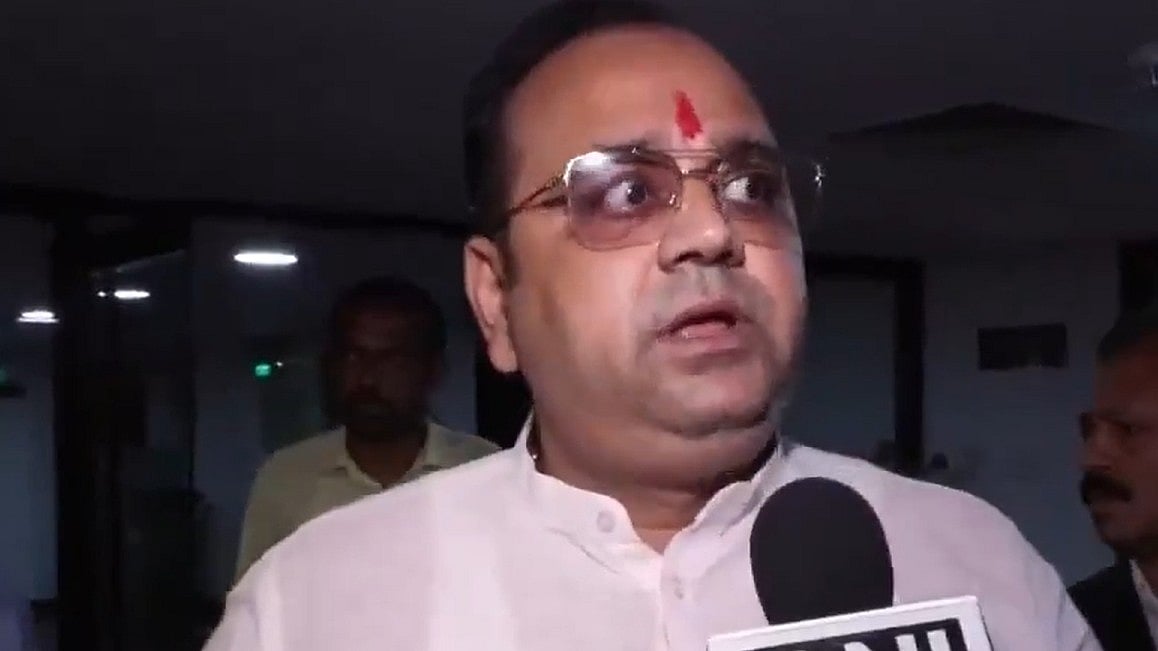
Delhi has reported 2,308 H1N1 infections, out of around 3,000 influenza cases this year, according to Delhi Health Minister Pankaj Kumar Singh.
The situation is under control, with adequate doctors and medicines available, Singh said. Chief Minister Rekha Gupta has called for an emergency review meeting to assess the situation and review arrangements for H1N1 and vector-borne diseases.
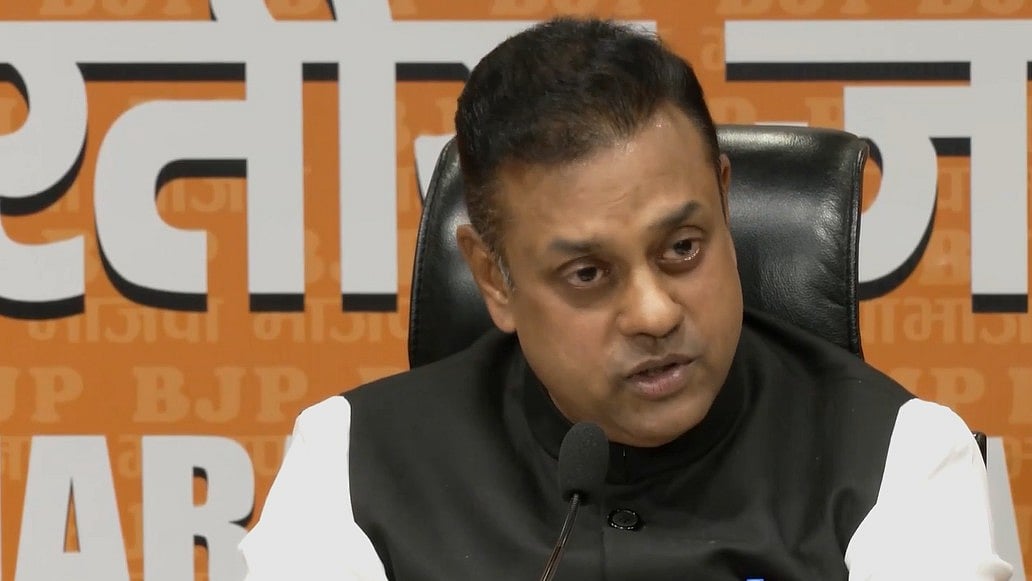
At a press conference, Singh stated that there is no shortage of beds, medicines, or doctors, and patients are being treated and recovering. Isolation wards have been created in every hospital, and action will be taken against hospitals if patients complain of not being provided a bed.
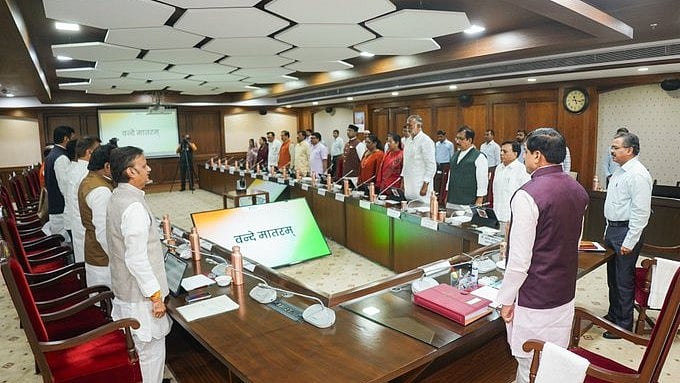
The meeting was attended by senior officials of the Health Department, MCD, NDMC, and Delhi Cantonment Board. Singh assured that there is no need for panic, as patients are being treated and going back home.
H1N1 infections account for the majority of influenza cases in Delhi, with 2,308 cases reported. The infection, commonly known as swine flu, presents with symptoms such as fever, cough, sore throat, headache, body aches, and fatigue. Those with persistent high fever, breathing difficulty, chest pain, confusion, or worsening symptoms are advised to seek medical attention promptly.
The Delhi government has taken measures to prepare for the situation, including creating isolation wards in hospitals. The Health Minister has assured that everything is under control, and there is no problem with doctors, staff, or medicines.
The emergency review meeting was called to assess the situation and review arrangements for H1N1 and vector-borne diseases. The meeting aimed to ensure that the situation is under control and that patients are receiving proper treatment.
The rise in H1N1 cases has prompted the Delhi government to take measures to prevent the spread of the disease. The government has advised people to take precautions, such as getting vaccinated and maintaining good hygiene.
In conclusion, the situation in Delhi regarding H1N1 cases is under control, with the government taking measures to prevent the spread of the disease and ensure that patients receive proper treatment.
The H1N1 outbreak has significant implications for public health in Delhi, and the government's response will be crucial in controlling the spread of the disease. The emergency review meeting is a step in the right direction, and the government's efforts to prepare for the situation are commendable.
However, it is essential for the public to remain vigilant and take precautions to prevent the spread of the disease. By working together, the government and the public can control the spread of H1N1 and ensure that the situation remains under control.
The Delhi government's response to the H1N1 outbreak is a testament to its commitment to public health. The government's efforts to prepare for the situation, including creating isolation wards in hospitals and reviewing arrangements for H1N1 and vector-borne diseases, demonstrate its dedication to ensuring that patients receive proper treatment.
In the coming days, it will be essential to monitor the situation closely and take further measures to prevent the spread of the disease. The government's response will be crucial in controlling the outbreak, and the public must remain vigilant and take precautions to prevent the spread of H1N1.
The H1N1 outbreak in Delhi is a reminder of the importance of public health infrastructure and the need for preparedness in the face of emerging health threats. The government's response to the outbreak demonstrates its commitment to protecting the health and well-being of its citizens.
In conclusion, the situation in Delhi regarding H1N1 cases is under control, and the government is taking measures to prevent the spread of the disease. The public must remain vigilant and take precautions to prevent the spread of H1N1, and the government's response will be crucial in controlling the outbreak.
Frequently asked questions
What is the current situation with H1N1 cases in Delhi?
Delhi has reported 2,308 H1N1 cases, and the situation is under control, with adequate doctors and medicines available.
What measures has the Delhi government taken to prepare for the situation?
The government has created isolation wards in hospitals and is reviewing arrangements for H1N1 and vector-borne diseases.