US Considers Stricter Child Passport Rules
New rules may require parents' citizenship proof. Aims to curb birth tourism.
'%3E%3Crect%20width%3D'96'%20height%3D'96'%20fill%3D'%234A235A'%2F%3E%3Ccircle%20cx%3D'30'%20cy%3D'24'%20r%3D'44'%20fill%3D'%23fff'%20opacity%3D'.12'%2F%3E%3Ccircle%20cx%3D'60'%20cy%3D'74'%20r%3D'40'%20fill%3D'%23000'%20opacity%3D'.10'%2F%3E%3C%2Fg%3E%3Cg%20fill%3D'none'%20stroke%3D'%23fff'%20stroke-width%3D'3'%3E%3Ccircle%20cx%3D'48'%20cy%3D'48'%20r%3D'16'%2F%3E%3Cellipse%20cx%3D'48'%20cy%3D'48'%20rx%3D'6.5'%20ry%3D'16'%2F%3E%3Cline%20x1%3D'32'%20y1%3D'42'%20x2%3D'64'%20y2%3D'42'%2F%3E%3Cline%20x1%3D'32'%20y1%3D'54'%20x2%3D'64'%20y2%3D'54'%2F%3E%3C%2Fg%3E%3C%2Fsvg%3E)
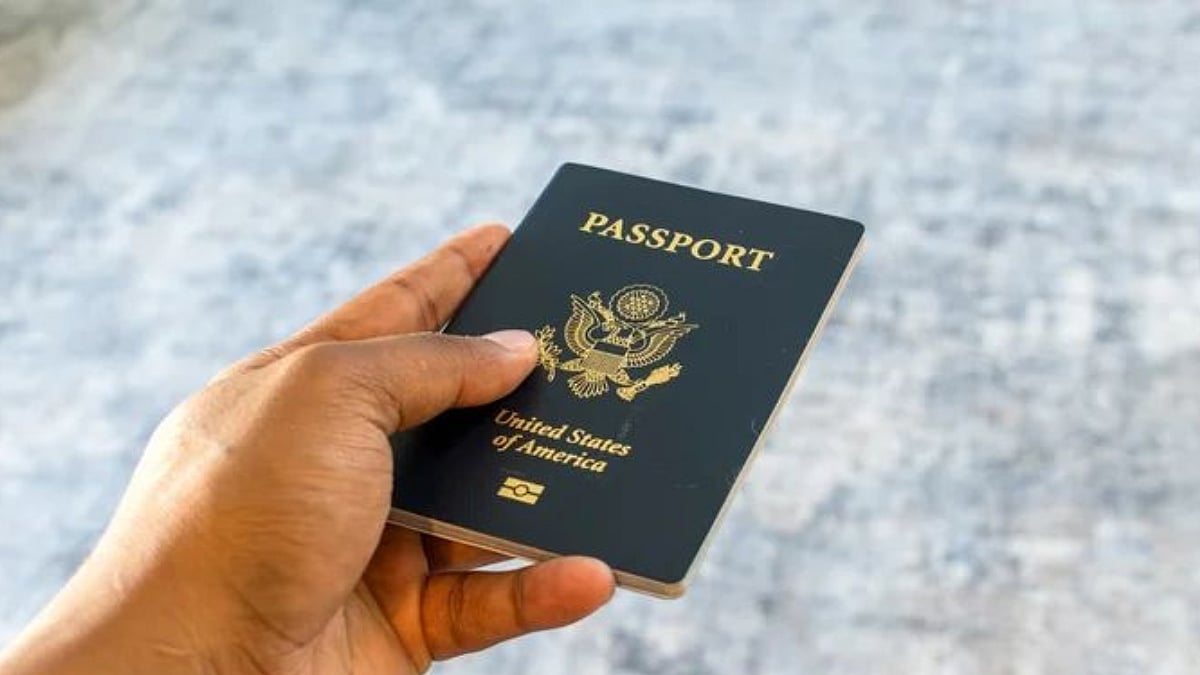
The United States is considering introducing stricter requirements for children applying for passports, with a focus on birthright citizenship. According to a draft State Department guidance, parents may be required to provide proof of their citizenship or immigration status when applying for a passport for a child born in the US.
This proposed change is part of President Donald Trump's broader effort to restrict birthright citizenship and curb so-called 'birth tourism'. The practice involves foreign nationals traveling to the US to give birth, allowing their children to acquire American citizenship.
Under the draft guidance, parents or legal guardians may be asked to submit documents establishing their citizenship or immigration status. These could include a US passport or birth certificate as proof of citizenship, or documents such as an I-94 form or permanent resident card.
The State Department says the information would help determine whether a child falls under the provisions of Trump's executive order on birthright citizenship. Currently, parents applying for a US passport for a child born in the country generally have to establish their relationship with the child and provide identification.
While the application asks about a parent's citizenship, documentary proof is not normally required. The proposed changes are expected to face further legal challenges, as Trump's initial executive order on the matter was ruled against by the US Supreme Court.
The Supreme Court found that the order violated the 14th Amendment's Citizenship Clause, which grants citizenship to all persons born in the US. A subsequent order issued on August 6 targets narrower categories, including children whose parents are foreign government employees or are accused of obtaining citizenship through fraud or commercial arrangements.
The US government has been seeking to limit automatic citizenship for US-born children unless at least one parent is a US citizen or lawful permanent resident. The proposed changes to passport requirements are seen as part of this effort.
The issue of birthright citizenship has been a contentious one in the US, with some arguing that it is a magnet for 'birth tourism' and others seeing it as a fundamental right granted by the Constitution. The proposed changes to passport requirements are likely to be closely watched and may face legal challenges in the coming months.
The implications of these changes are significant, as they could affect the ability of children born in the US to obtain passports and travel. The US government's efforts to restrict birthright citizenship are part of a broader debate about immigration and citizenship in the country.
In conclusion, the proposed changes to child passport rules in the US are part of a larger effort to restrict birthright citizenship and curb 'birth tourism'. The changes are expected to face legal challenges and may have significant implications for children born in the US and their families.
Frequently asked questions
What are the proposed changes to child passport rules in the US?
The proposed changes require parents to provide proof of their citizenship or immigration status when applying for a passport for a child born in the US.
Why is the US government introducing these changes?
The changes are part of a broader effort to restrict birthright citizenship and curb 'birth tourism'.