Catfish Invasion Threatens Spain's Ebro River
Catfish released in 1974 wreak havoc, Native wildlife at risk
'%3E%3Crect%20width%3D'96'%20height%3D'96'%20fill%3D'%234A235A'%2F%3E%3Ccircle%20cx%3D'30'%20cy%3D'24'%20r%3D'44'%20fill%3D'%23fff'%20opacity%3D'.12'%2F%3E%3Ccircle%20cx%3D'60'%20cy%3D'74'%20r%3D'40'%20fill%3D'%23000'%20opacity%3D'.10'%2F%3E%3C%2Fg%3E%3Cg%20fill%3D'none'%20stroke%3D'%23fff'%20stroke-width%3D'3'%3E%3Ccircle%20cx%3D'48'%20cy%3D'48'%20r%3D'16'%2F%3E%3Cellipse%20cx%3D'48'%20cy%3D'48'%20rx%3D'6.5'%20ry%3D'16'%2F%3E%3Cline%20x1%3D'32'%20y1%3D'42'%20x2%3D'64'%20y2%3D'42'%2F%3E%3Cline%20x1%3D'32'%20y1%3D'54'%20x2%3D'64'%20y2%3D'54'%2F%3E%3C%2Fg%3E%3C%2Fsvg%3E)
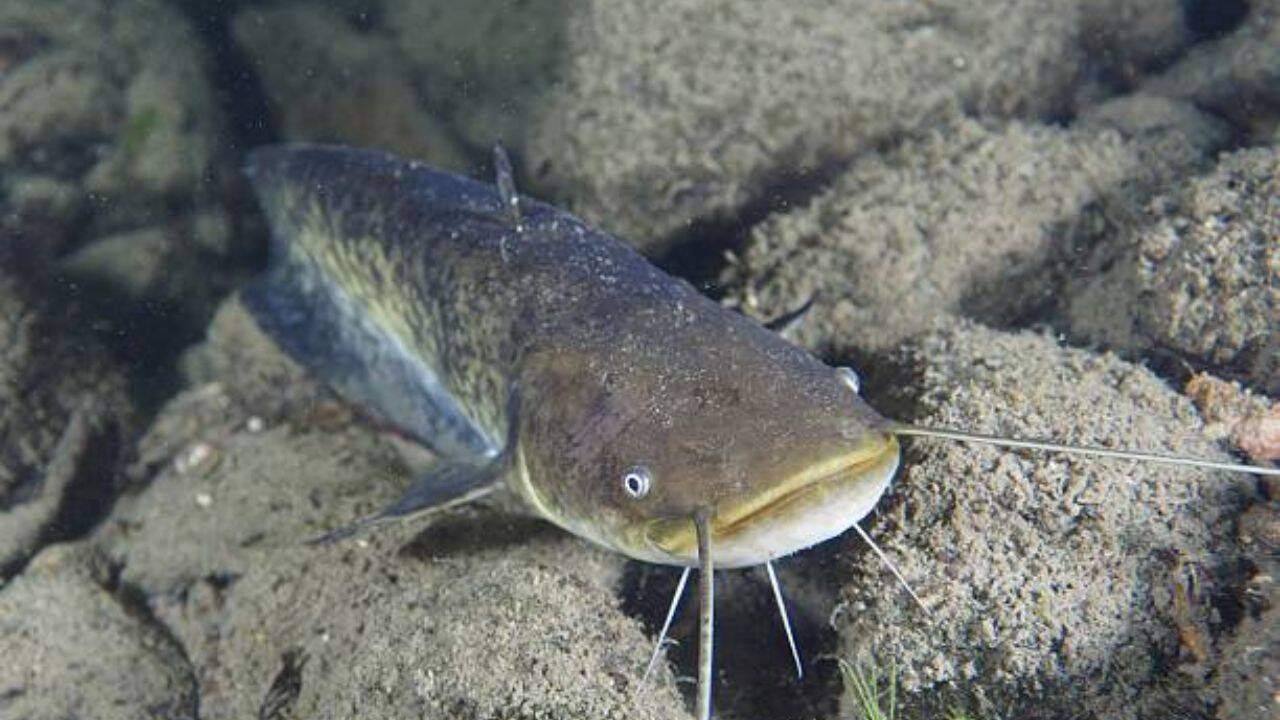
A German biologist, Roland Lorkowsky, introduced the Wels catfish to Spain's Ebro River in 1974. Since then, the catfish have become a top predator, posing a significant threat to native wildlife. The large size and aggressive feeding habits of the catfish have made it challenging for conservationists to maintain a balance in the ecosystem.
The introduction of the Wels catfish has had a devastating impact on the native species in the Ebro River. The catfish have been feeding on the native fish, causing a decline in their population. This has disrupted the food chain and has had a ripple effect on the entire ecosystem.
Conservationists have been trying to find ways to control the population of the catfish, but their efforts have been hindered by the catfish's ability to adapt to different environments. The catfish can survive in a wide range of water conditions, making it difficult to eradicate them.
Climate change has also played a role in the catfish's invasion. The changing water conditions have facilitated the catfish's further invasion into European waters. Experts believe that the catfish could spread to other rivers and lakes, causing further damage to the native wildlife.
The eradication of the catfish is considered nearly impossible due to their large population and ability to adapt to different environments. Conservationists are now focusing on finding ways to mitigate the impact of the catfish on the native wildlife. This includes introducing native species that can compete with the catfish for food and habitat.
The Spanish government has also taken steps to address the issue. They have implemented measures to prevent the further introduction of non-native species into the Ebro River. However, more needs to be done to address the issue and prevent further damage to the ecosystem.
The catfish invasion in the Ebro River is a classic example of how human actions can have unintended consequences on the environment. The introduction of non-native species can have devastating effects on the native wildlife and ecosystem. It is essential to take a cautious approach when introducing new species to an environment and to consider the potential consequences of such actions.
In conclusion, the catfish invasion in the Ebro River is a significant ecological issue that needs to be addressed. The Spanish government and conservationists must work together to find a solution to mitigate the impact of the catfish on the native wildlife and prevent further damage to the ecosystem.
The situation is a reminder of the importance of preserving the natural balance of ecosystems and the need to take a proactive approach to preventing the introduction of non-native species. It is crucial to learn from past mistakes and take steps to prevent similar incidents from occurring in the future.
The catfish invasion is not just a local issue, but a global one. It highlights the need for international cooperation and coordination to address the issue of invasive species. It is essential to share knowledge and best practices to prevent the introduction of non-native species and to mitigate their impact on the environment.
The Ebro River catfish invasion is a wake-up call for governments and conservationists around the world. It is a reminder of the importance of preserving the natural balance of ecosystems and the need to take a proactive approach to preventing the introduction of non-native species.
Frequently asked questions
What is the origin of the catfish in the Ebro River?
The catfish were introduced to the Ebro River by German biologist Roland Lorkowsky in 1974.
Why is it difficult to eradicate the catfish?
The catfish can survive in a wide range of water conditions and have a large population, making eradication efforts nearly impossible.