US Man Arrested for Wiping Phone with GrapheneOS
A US man is arrested for wiping his phone, Android OS under scrutiny
'%3E%3Crect%20width%3D'96'%20height%3D'96'%20fill%3D'%234A235A'%2F%3E%3Ccircle%20cx%3D'30'%20cy%3D'24'%20r%3D'44'%20fill%3D'%23fff'%20opacity%3D'.12'%2F%3E%3Ccircle%20cx%3D'60'%20cy%3D'74'%20r%3D'40'%20fill%3D'%23000'%20opacity%3D'.10'%2F%3E%3C%2Fg%3E%3Cg%20fill%3D'none'%20stroke%3D'%23fff'%20stroke-width%3D'3'%3E%3Ccircle%20cx%3D'48'%20cy%3D'48'%20r%3D'16'%2F%3E%3Cellipse%20cx%3D'48'%20cy%3D'48'%20rx%3D'6.5'%20ry%3D'16'%2F%3E%3Cline%20x1%3D'32'%20y1%3D'42'%20x2%3D'64'%20y2%3D'42'%2F%3E%3Cline%20x1%3D'32'%20y1%3D'54'%20x2%3D'64'%20y2%3D'54'%2F%3E%3C%2Fg%3E%3C%2Fsvg%3E)
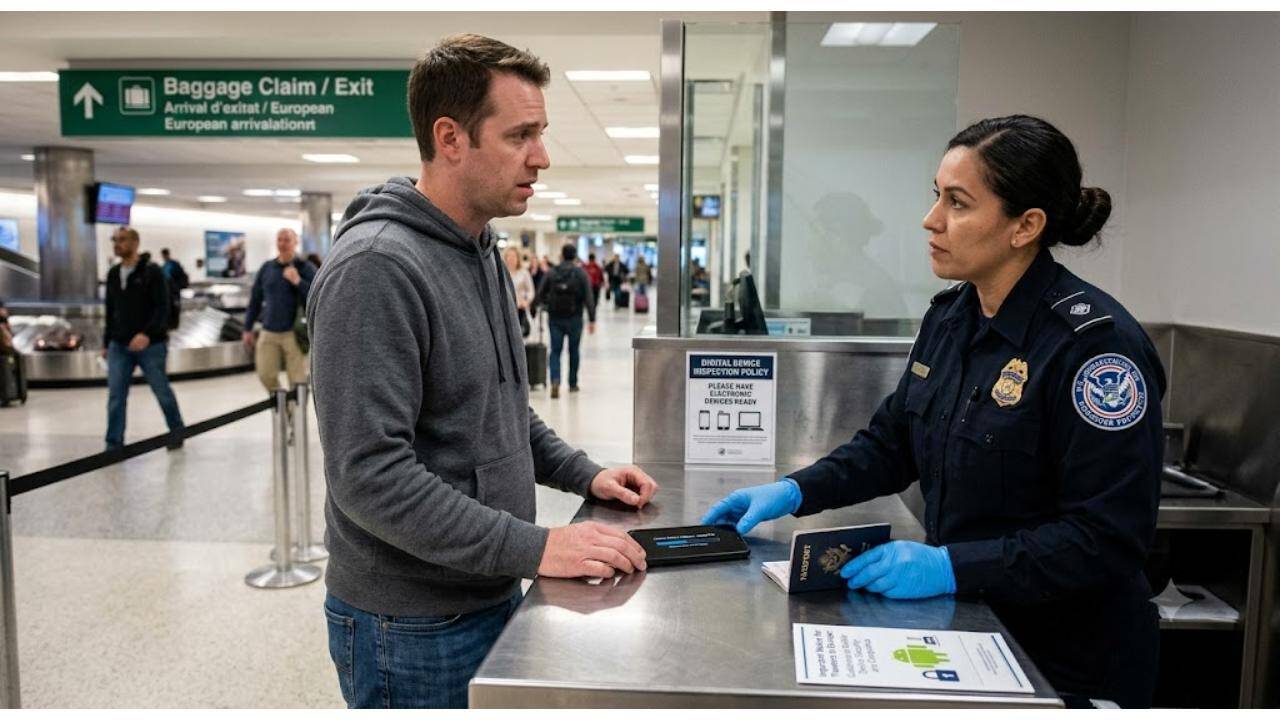
A US man, Samuel Tunick, has been arrested and charged for wiping his phone during an airport search in Atlanta. The incident has raised questions about the use of privacy software as evidence of criminal intent. Prosecutors accuse Tunick of intentionally deleting data from his phone to prevent authorities from accessing its contents.
The case centers around GrapheneOS, a privacy-focused operating system designed to protect user data from unauthorized access. Tunick's use of GrapheneOS has been cited as evidence of his alleged attempt to conceal information from law enforcement. However, the developers of GrapheneOS argue that their software is legal and intended to safeguard users' privacy.
The issue has also sparked concerns among European travelers, as authorities in the region reportedly view GrapheneOS usage with suspicion. This could potentially lead to increased scrutiny of travelers using the operating system. The GrapheneOS developers have reiterated that their software is designed to protect against unauthorized data extraction and is not intended to facilitate illicit activities.
The use of privacy software has become increasingly prevalent in recent years, with many users seeking to protect their personal data from prying eyes. However, the ongoing case in Atlanta highlights the potential risks and consequences of using such software, particularly in situations where law enforcement is involved.
The case against Tunick is ongoing, with prosecutors arguing that his actions demonstrate a clear intent to conceal information from authorities. The defense, on the other hand, is likely to argue that Tunick's use of GrapheneOS was legitimate and intended to protect his privacy.
As the case unfolds, it is likely to have significant implications for the use of privacy software and the balance between individual privacy and national security. The incident also serves as a reminder to travelers to be aware of the potential risks and consequences of using certain operating systems, particularly when crossing international borders.
In the context of the ongoing debate around data privacy and security, the case against Tunick raises important questions about the limits of individual privacy and the role of law enforcement in accessing personal data. As technology continues to evolve and privacy concerns grow, it is likely that we will see more cases like this in the future.
The outcome of the case will be closely watched, particularly by those who value their privacy and use software like GrapheneOS to protect it. The incident serves as a reminder that the use of privacy software can have significant consequences, particularly in situations where law enforcement is involved.
In conclusion, the arrest of Samuel Tunick for wiping his phone during an airport search has highlighted the potential risks and consequences of using privacy software. As the case unfolds, it is likely to have significant implications for the use of such software and the balance between individual privacy and national security.
Frequently asked questions
What is GrapheneOS and why is it under scrutiny?
GrapheneOS is a privacy-focused operating system designed to protect user data from unauthorized access. It is under scrutiny due to its potential use as evidence of criminal intent.
What are the implications of the case against Samuel Tunick?
The case has significant implications for the use of privacy software and the balance between individual privacy and national security, particularly for travelers using such software.