Nepal May Import Power from India
Nepal considers importing power from India, a reversal of roles.
'%3E%3Crect%20width%3D'96'%20height%3D'96'%20fill%3D'%234A235A'%2F%3E%3Ccircle%20cx%3D'30'%20cy%3D'24'%20r%3D'44'%20fill%3D'%23fff'%20opacity%3D'.12'%2F%3E%3Ccircle%20cx%3D'60'%20cy%3D'74'%20r%3D'40'%20fill%3D'%23000'%20opacity%3D'.10'%2F%3E%3C%2Fg%3E%3Cg%20fill%3D'none'%20stroke%3D'%23fff'%20stroke-width%3D'3'%3E%3Ccircle%20cx%3D'48'%20cy%3D'48'%20r%3D'16'%2F%3E%3Cellipse%20cx%3D'48'%20cy%3D'48'%20rx%3D'6.5'%20ry%3D'16'%2F%3E%3Cline%20x1%3D'32'%20y1%3D'42'%20x2%3D'64'%20y2%3D'42'%2F%3E%3Cline%20x1%3D'32'%20y1%3D'54'%20x2%3D'64'%20y2%3D'54'%2F%3E%3C%2Fg%3E%3C%2Fsvg%3E)
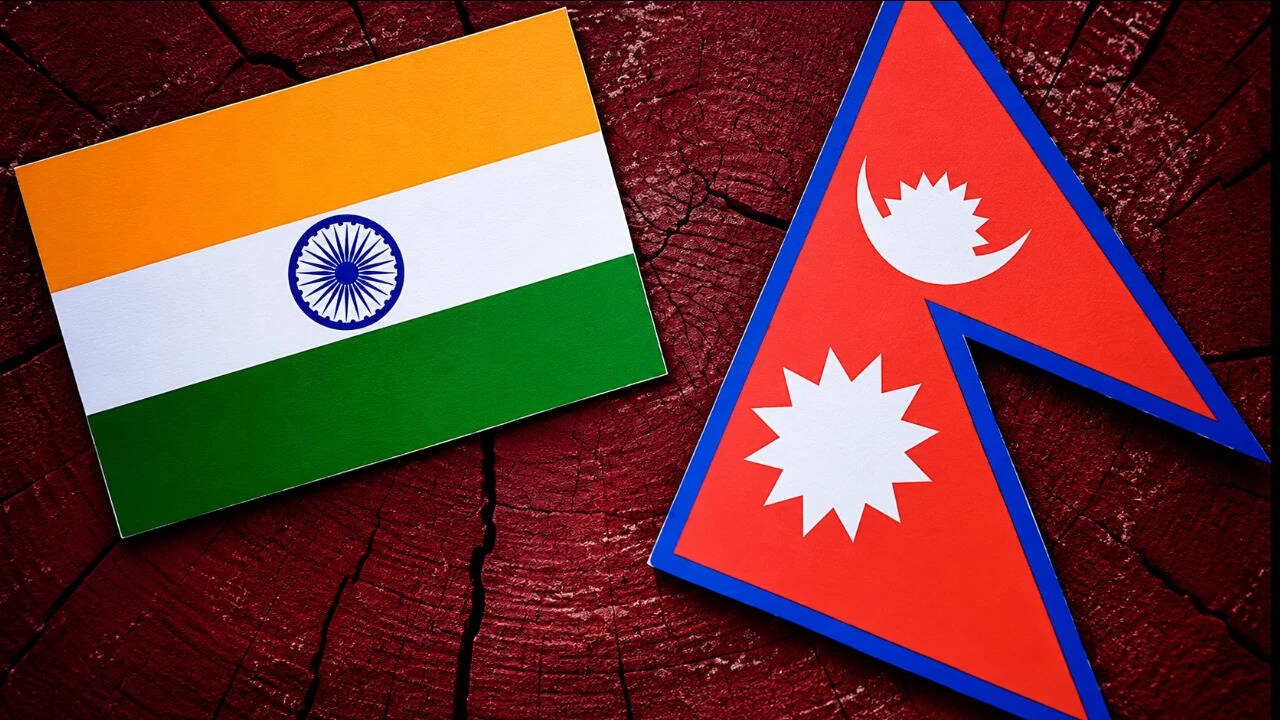
Nepal is considering importing power from India, marking a significant shift in the energy dynamics between the two countries.
Historically, Nepal has been a net exporter of electricity to India, with several hydroelectric power plants in the Himalayan nation generating surplus energy that is sold to its southern neighbor. However, with Nepal's own energy demands increasing and its domestic production struggling to keep pace, the country is now looking to import power from India to meet its growing needs.
The Nepal Electricity Authority (NEA) has been in talks with Indian power companies to explore the possibility of importing electricity from India. This move is seen as a pragmatic step by the Nepalese government to address the country's energy shortfall, which has been exacerbated by a combination of factors, including a rapidly growing population, increasing industrialization, and a lack of investment in the domestic energy sector.
Nepal's energy demands have been rising steadily over the years, driven by rapid urbanization and economic growth. The country's peak electricity demand is currently around 1,500 megawatts, but its domestic production capacity is only around 1,000 megawatts, resulting in a significant shortfall. To bridge this gap, Nepal has been relying on imported diesel and furnace oil to generate electricity, which is not only expensive but also environmentally unsustainable.
The proposed import of power from India is expected to help Nepal reduce its reliance on fossil fuels and decrease its carbon footprint. India has a surplus of electricity, particularly during the off-peak season, which it can export to Nepal. The Indian government has also been keen to increase its electricity exports to neighboring countries, including Nepal, as part of its broader strategy to promote regional energy cooperation.
The potential import of power from India is also seen as a positive development for the Nepal-India bilateral relationship, which has been strengthening in recent years. The two countries have been cooperating closely on a range of issues, including trade, investment, and energy, and the proposed power import deal is expected to further cement their ties.
In the context of the South Asian region, the proposed power import deal between Nepal and India is also significant. The region is home to some of the fastest-growing economies in the world, and energy demand is expected to rise rapidly in the coming years. The development of regional energy cooperation frameworks, such as the proposed power import deal between Nepal and India, is critical to addressing the region's energy challenges and promoting sustainable economic growth.
In conclusion, Nepal's consideration of importing power from India marks a significant shift in the energy dynamics between the two countries. The proposed deal is expected to help Nepal address its energy shortfall, reduce its reliance on fossil fuels, and promote regional energy cooperation. As the South Asian region continues to grow and develop, the importance of regional energy cooperation is likely to increase, and the Nepal-India power import deal is an important step in this direction.
Frequently asked questions
Why is Nepal considering importing power from India?
Nepal is considering importing power from India due to its increasing energy demands and inability to meet them through domestic production.
What are the benefits of the proposed power import deal?
The proposed deal is expected to help Nepal reduce its reliance on fossil fuels, decrease its carbon footprint, and promote regional energy cooperation.