India Managed Middle East Energy Crisis Without Burdening Citizens: Modi
PM Modi claims India successfully navigated Hormuz tensions while maintaining stable energy supplies and costs.

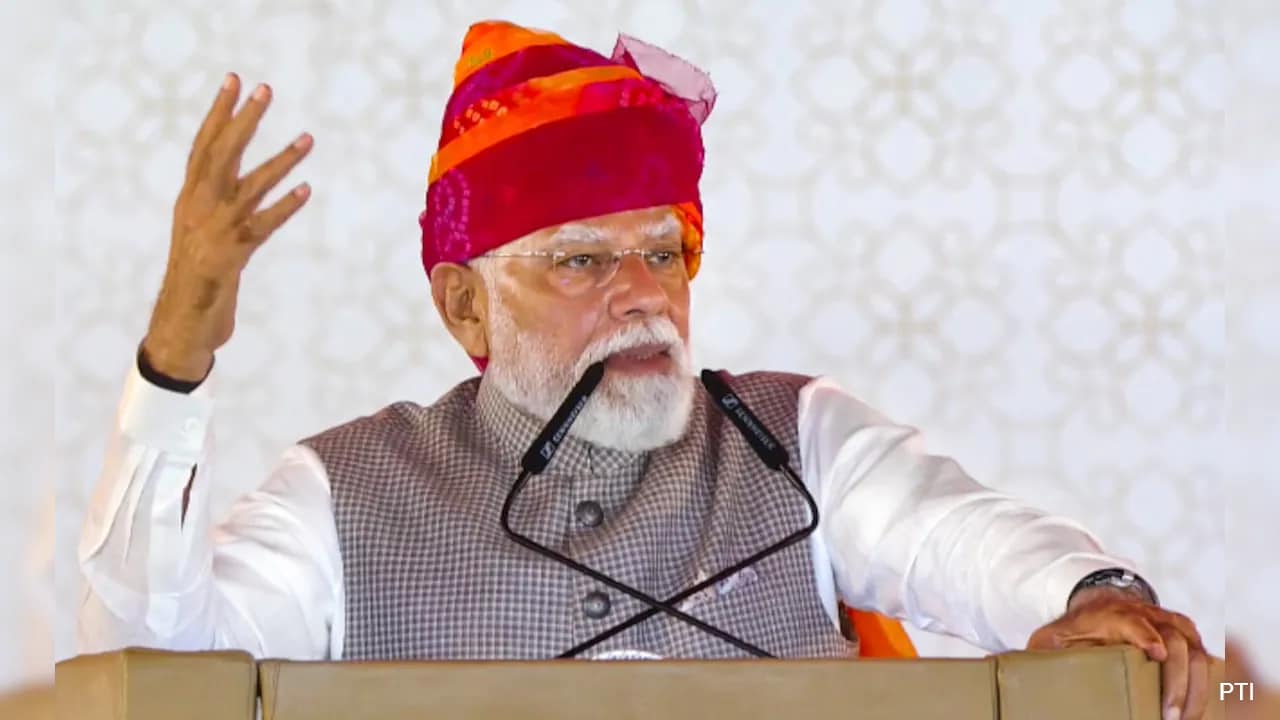
Prime Minister Narendra Modi stated that India effectively handled the energy challenges posed by Middle Eastern tensions without imposing additional financial strain on its citizens. Speaking on the issue, Modi highlighted the government's strategic approach to energy security during periods of regional instability.
The PM emphasized that India diversified and expanded its energy import portfolio significantly amid the crisis in the Hormuz region. This proactive strategy enabled the nation to maintain stable fuel supplies and prevent sharp price fluctuations that could have impacted consumers and businesses across the country.
The Strait of Hormuz, a critical global shipping lane, has witnessed periodic tensions that threaten international energy flows. India, being heavily dependent on oil imports, faces considerable vulnerability to any disruption in this region. Modi's statement suggests the government worked to mitigate these risks through advance planning and diplomatic engagement.
The administration's energy management approach reflects efforts to balance national interests with economic stability. By securing alternative sources and building strategic reserves, India reduced its exposure to supply-chain shocks that could have resulted in inflation and economic slowdown.
This narrative aligns with the government's broader messaging on economic resilience and governance. Modi's comments underscore India's growing capacity to navigate geopolitical challenges while protecting domestic interests and maintaining citizen welfare during international crises.
Source: NDTV