India Considers Plastic Banknotes
RBI floats tender for polymer notes, India may switch from paper money
'%3E%3Crect%20width%3D'96'%20height%3D'96'%20fill%3D'%230B6E4F'%2F%3E%3Ccircle%20cx%3D'30'%20cy%3D'24'%20r%3D'44'%20fill%3D'%23fff'%20opacity%3D'.12'%2F%3E%3Ccircle%20cx%3D'60'%20cy%3D'74'%20r%3D'40'%20fill%3D'%23000'%20opacity%3D'.10'%2F%3E%3C%2Fg%3E%3Cg%20fill%3D'none'%20stroke%3D'%23fff'%20stroke-width%3D'3.2'%20stroke-linecap%3D'round'%20stroke-linejoin%3D'round'%3E%3Cpolyline%20points%3D'31%2C59%2041%2C49%2049%2C54%2063%2C37'%2F%3E%3Cpolyline%20points%3D'55%2C37%2063%2C37%2063%2C45'%2F%3E%3C%2Fg%3E%3C%2Fsvg%3E)
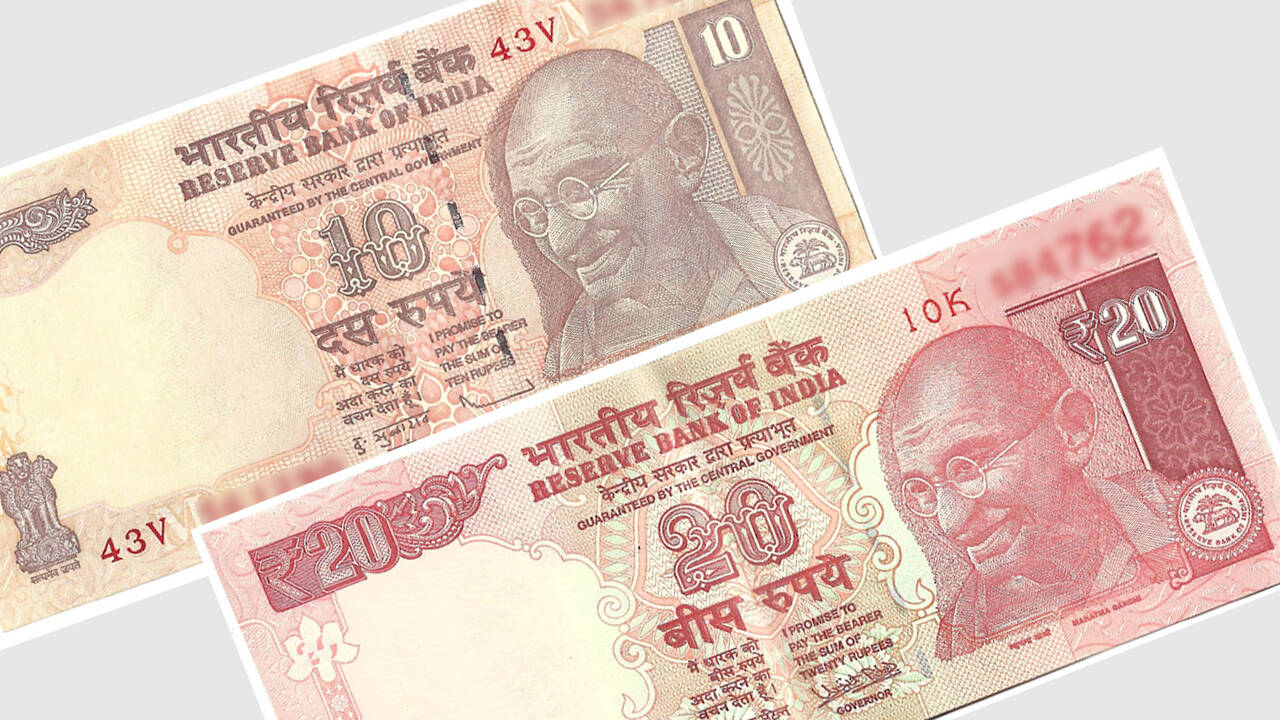
The Reserve Bank of India (RBI) has recently taken a significant step towards introducing plastic banknotes in the country. A tender has been floated to procure material for polymer banknotes, marking a revival of a proposal that has been under consideration for nearly two decades.
The idea of introducing polymer notes is not new, but it has gained momentum in recent times. Polymer notes, which are produced using durable plastic film instead of paper, have several advantages. They generally have a longer lifespan and require replacement less frequently because they are more resistant to wear and tear.
One of the primary reasons for considering polymer notes is to increase the durability of currency notes. Paper notes have a relatively short lifespan and need to be replaced frequently, which can be costly. Polymer notes, on the other hand, can last for several years, reducing the need for frequent replacement.
The introduction of polymer notes could also help reduce the cost of printing and maintaining currency notes. With a longer lifespan, the need for frequent printing and distribution of new notes would decrease, resulting in significant cost savings.
The RBI's decision to float a tender for polymer notes is a significant step towards introducing this new technology in the country. The tender will allow companies to bid for the supply of material for polymer notes, and the RBI will select a suitable vendor based on the bids received.
If polymer notes are introduced, it is likely that they will be used alongside paper notes initially. The RBI may start by introducing polymer notes in select denominations and gradually phase out paper notes. The exact plan for introducing polymer notes is not yet clear, but it is expected that the RBI will provide more details in the coming months.
The introduction of polymer notes is not unique to India, as several countries have already adopted this technology. Countries such as Australia, Canada, and the UK have been using polymer notes for several years, and they have reported significant benefits in terms of durability and cost savings.
In conclusion, the introduction of polymer notes in India could mark a significant shift in the way currency notes are produced and used. With their longer lifespan and durability, polymer notes could help reduce the cost of printing and maintaining currency notes, and provide several other benefits.
Frequently asked questions
What are polymer banknotes made of?
Polymer banknotes are made of durable plastic film instead of paper.
Why is the RBI considering polymer notes?
The RBI is considering polymer notes because they have a longer lifespan and are more resistant to wear and tear, which could help reduce the cost of printing and maintaining currency notes.