Trump Cites India's Voter ID Laws as US Model
Trump points to India's election framework, sparking debate on voter ID laws.
'%3E%3Crect%20width%3D'96'%20height%3D'96'%20fill%3D'%234A235A'%2F%3E%3Ccircle%20cx%3D'30'%20cy%3D'24'%20r%3D'44'%20fill%3D'%23fff'%20opacity%3D'.12'%2F%3E%3Ccircle%20cx%3D'60'%20cy%3D'74'%20r%3D'40'%20fill%3D'%23000'%20opacity%3D'.10'%2F%3E%3C%2Fg%3E%3Cg%20fill%3D'none'%20stroke%3D'%23fff'%20stroke-width%3D'3'%3E%3Ccircle%20cx%3D'48'%20cy%3D'48'%20r%3D'16'%2F%3E%3Cellipse%20cx%3D'48'%20cy%3D'48'%20rx%3D'6.5'%20ry%3D'16'%2F%3E%3Cline%20x1%3D'32'%20y1%3D'42'%20x2%3D'64'%20y2%3D'42'%2F%3E%3Cline%20x1%3D'32'%20y1%3D'54'%20x2%3D'64'%20y2%3D'54'%2F%3E%3C%2Fg%3E%3C%2Fsvg%3E)
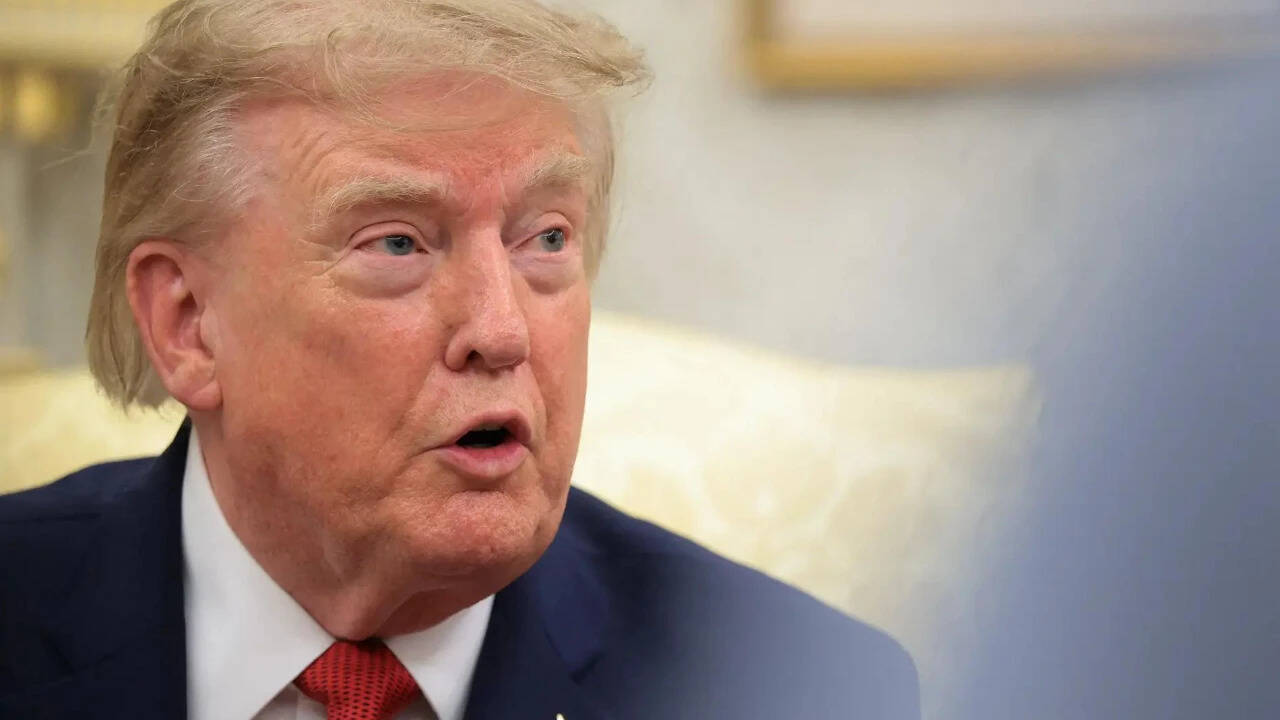
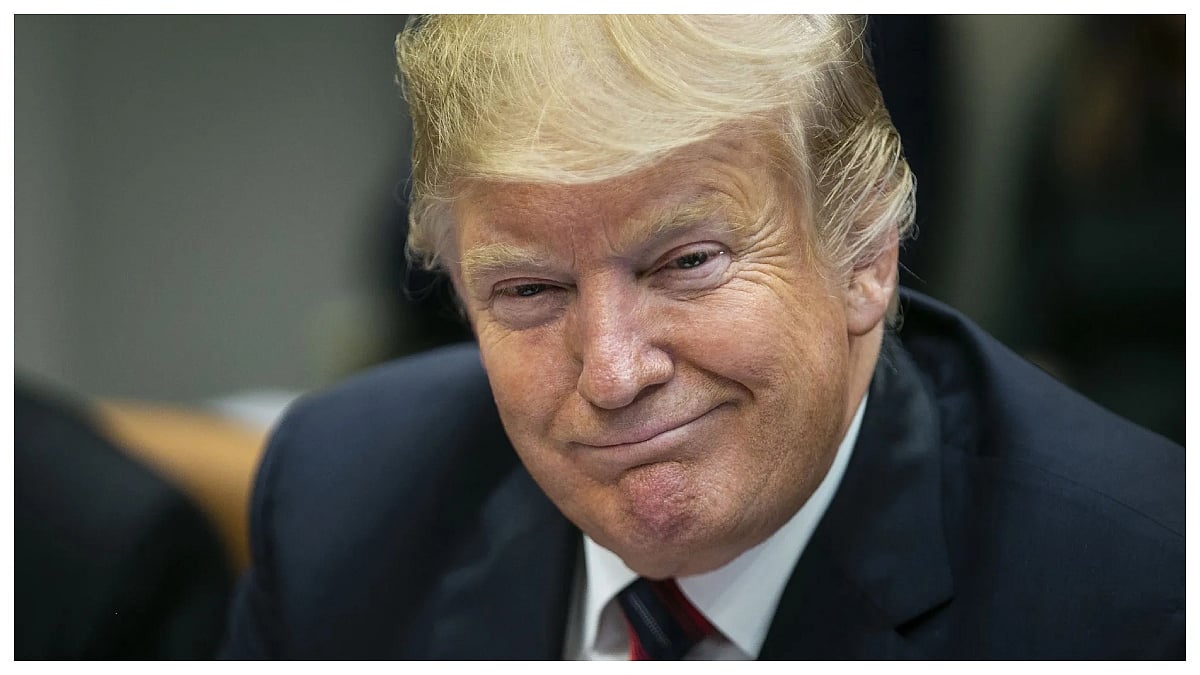
Donald Trump, the US President, has recently cited India's election framework as a model for implementing stricter voter ID laws in the United States. In a statement, Trump emphasized India's impressive voter turnout and limited use of mail-in ballots, suggesting that the US could learn from India's approach.
Trump's comments come as he supports the SAVE Act, a proposed law that would require proof of citizenship to vote in federal elections. The move has sparked debate about the balance between federal and state election authority, with critics warning that stricter voter ID laws could marginalize vulnerable populations.
India's election framework has been widely praised for its ability to ensure high voter turnout and prevent electoral fraud. The country's use of voter ID cards and strict verification processes has been credited with helping to maintain the integrity of the electoral process.
However, critics of the SAVE Act argue that requiring proof of citizenship to vote could disproportionately affect certain groups, such as low-income individuals, minorities, and the elderly. They warn that such a move could lead to voter suppression and undermine the fundamental right to vote.
The debate over voter ID laws is not new in the US, with many states already having implemented their own versions of such laws. However, the proposal to introduce a federal law has sparked renewed controversy, with some arguing that it is an attempt to restrict voting rights.
The issue of federal versus state election authority is also at play, with some arguing that the federal government should not interfere with the way states conduct their elections. Others argue that a federal law is necessary to ensure consistency and fairness across the country.
As the debate continues, Trump's citation of India's election framework as a model has sparked interest in the country's approach to voter ID laws. While India's system has been widely praised, it remains to be seen whether it can be successfully replicated in the US.
The outcome of this debate will have significant implications for the future of elections in the US, and could potentially impact the voting rights of millions of Americans.
In the end, the decision to implement stricter voter ID laws will depend on a careful consideration of the potential benefits and drawbacks. As the US continues to grapple with the issue, it is clear that the debate over voter ID laws will remain a contentious and highly politicized issue.
Frequently asked questions
What is the SAVE Act and how does it relate to voter ID laws?
The SAVE Act is a proposed law that would require proof of citizenship to vote in federal elections, with the aim of preventing electoral fraud.
How does India's election framework ensure high voter turnout and prevent electoral fraud?
India's election framework uses voter ID cards and strict verification processes to maintain the integrity of the electoral process and ensure high voter turnout.