New Zealand Invests $202M in Island Restoration
New Zealand restores islands with Māori help. Native wildlife to benefit.
'%3E%3Crect%20width%3D'96'%20height%3D'96'%20fill%3D'%231B5E20'%2F%3E%3Ccircle%20cx%3D'30'%20cy%3D'24'%20r%3D'44'%20fill%3D'%23fff'%20opacity%3D'.12'%2F%3E%3Ccircle%20cx%3D'60'%20cy%3D'74'%20r%3D'40'%20fill%3D'%23000'%20opacity%3D'.10'%2F%3E%3C%2Fg%3E%3Cg%3E%3Ccircle%20cx%3D'48'%20cy%3D'48'%20r%3D'15'%20fill%3D'%23fff'%2F%3E%3Cpath%20d%3D'M43%2034%20Q50%2048%2043%2062'%20fill%3D'none'%20stroke%3D'%238a94a6'%20stroke-width%3D'2.4'%2F%3E%3Cpath%20d%3D'M47%2033%20Q54%2048%2047%2063'%20fill%3D'none'%20stroke%3D'%238a94a6'%20stroke-width%3D'1.8'%20stroke-dasharray%3D'1.5%203'%2F%3E%3C%2Fg%3E%3C%2Fsvg%3E)
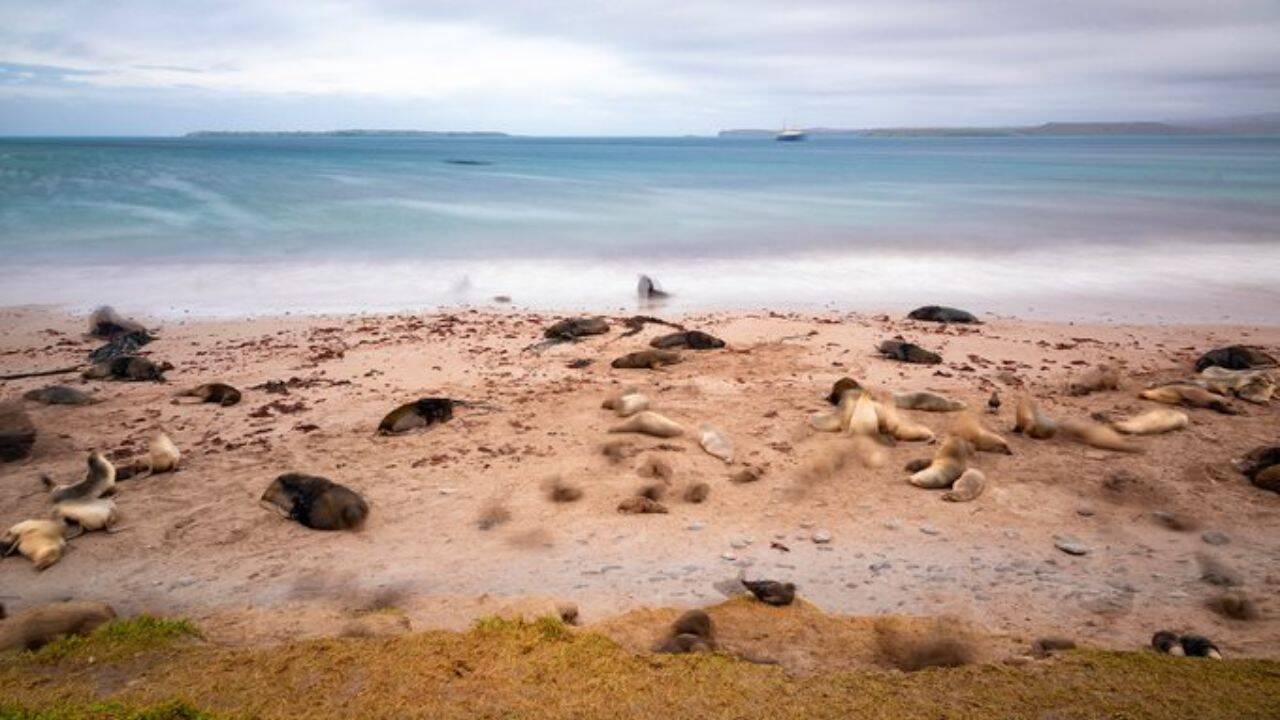
New Zealand has launched an ambitious ecological restoration project, investing $202 million to restore three major islands: Maukahuka, Rakiura, and the Chatham archipelago. The project aims to tackle invasive mammal populations that have been harming native wildlife.
The restoration effort is a collaborative project between the New Zealand government, local communities, and Indigenous Māori organizations. This partnership seeks to leverage the knowledge and expertise of the Māori people to inform the restoration process and ensure its success.
The project's focus on eliminating invasive mammal populations is crucial to the survival of native species. Invasive species have been a major threat to New Zealand's unique biodiversity, and their removal is expected to have a significant positive impact on the islands' ecosystems.
The Māori people have a deep understanding of the islands' ecosystems and have been working closely with the government and other stakeholders to develop effective restoration strategies. Their involvement in the project is not only crucial to its success but also acknowledges their historical and cultural connection to the land.
The success of this project could have far-reaching implications for environmental restoration globally. New Zealand has been at the forefront of innovative conservation efforts, and this project is expected to showcase the country's expertise in this area.
The restoration of the three islands is a significant undertaking that requires careful planning, coordination, and execution. The project's outcomes will be closely monitored, and the lessons learned will be used to inform future conservation efforts.
The collaboration between the New Zealand government, local communities, and Māori organizations serves as a model for effective partnerships in conservation. By working together, these stakeholders can achieve significant positive change and ensure the long-term health of the islands' ecosystems.
The project's investment of $202 million demonstrates the New Zealand government's commitment to environmental conservation and its recognition of the importance of preserving the country's unique biodiversity. The restoration of the three islands is a critical step towards achieving this goal, and its success will have a lasting impact on the country's ecosystems.
In conclusion, the ecological restoration project in New Zealand is an inspiring example of collaboration and innovation in conservation. The project's success will not only benefit the native wildlife of the three islands but also contribute to the global effort to protect and preserve the natural environment.
Frequently asked questions
What is the goal of New Zealand's island restoration project?
The goal is to restore native wildlife by eliminating invasive mammal populations.
Which islands are being restored in the project?
The three islands being restored are Maukahuka, Rakiura, and the Chatham archipelago.