India Has Cheapest Petrol Prices Globally Due To Ethanol Blending
India offers cheapest petrol prices, ethanol blending reduces crude oil dependence

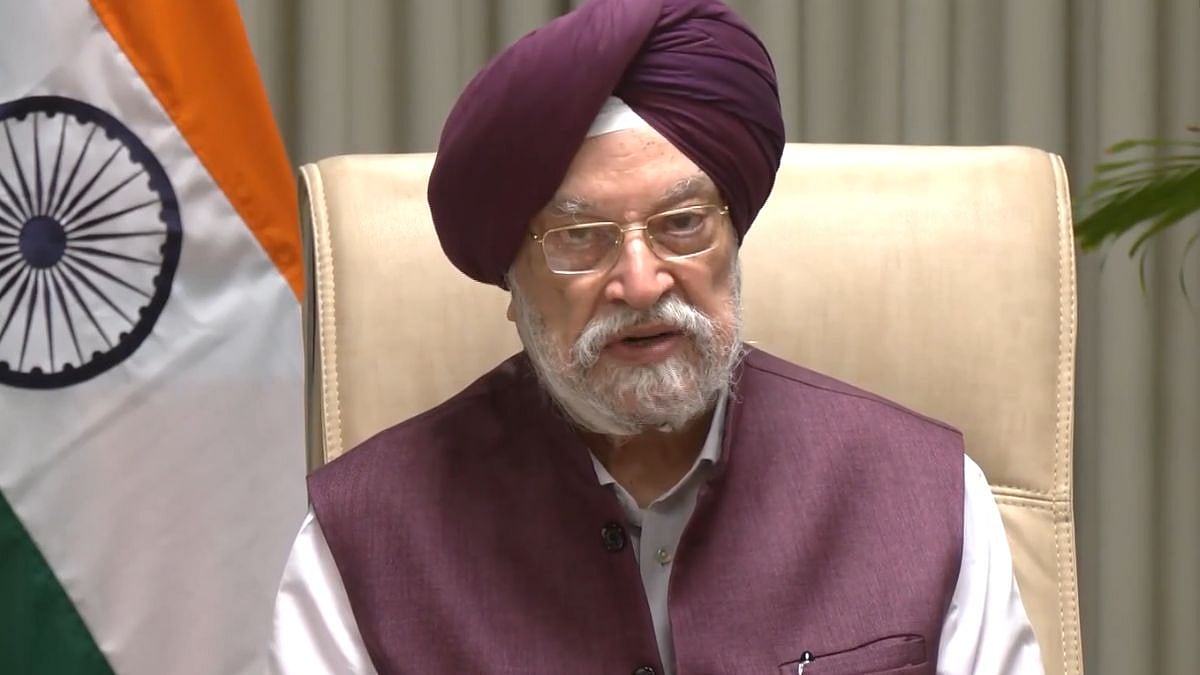
India has emerged as one of the countries with the cheapest petrol prices globally, thanks to its successful ethanol blending programme. According to Petroleum and Natural Gas Minister Hardeep Singh Puri, the integration of domestically produced ethanol into petrol supplies has helped reduce the impact of volatile international crude oil prices.
The minister stated that while global crude prices have fluctuated sharply in recent months, ethanol purchased from farmers remains available at a fixed price throughout the year. This has helped reduce India's exposure to fluctuations in Brent crude prices, which have moved between $68 and $128 per barrel in recent months.
Puri highlighted that the use of ethanol provides a buffer against global energy market disruptions. The government has also shifted its focus towards crops requiring less water for ethanol production, with maize now contributing nearly 35% of ethanol production. This move has helped improve farmer incomes while conserving water resources.
The Petroleum Ministry noted that India's ethanol blending programme has helped limit the increase in domestic fuel prices compared with other major economies. If the programme did not exist, India would have required an additional 310 lakh metric tons of crude oil, resulting in a significant increase in fuel prices. The programme has also saved over ₹1.90 lakh crore in foreign exchange and generated an additional income of over ₹1.60 lakh crore for farmers.
The ministry clarified that the objective of ethanol blending is not to make petrol cheaper but to reduce dependence on imported crude and strengthen energy security. Addressing concerns over why E20 petrol is not priced lower than conventional petrol, the ministry explained that ethanol procurement includes remunerative pricing for farmers, with maize-based ethanol currently being purchased at around ₹71.86 per litre.
The success of India's ethanol blending programme is a significant achievement, and the government plans to continue promoting the use of ethanol to reduce the country's dependence on imported crude oil. This move is expected to have a positive impact on the environment, the economy, and the energy security of the country.
In recent months, the government has launched E85, a new fuel that is ₹20 per litre cheaper than conventional petrol. The launch of E85 is a significant step towards promoting the use of ethanol and reducing the country's dependence on imported crude oil.
Overall, India's ethanol blending programme has been a success, and the country is now among the nations with the cheapest petrol prices globally. The programme has helped reduce the impact of volatile international crude oil prices, promoted the use of domestically produced ethanol, and generated additional income for farmers.
The significance of this achievement cannot be overstated, as it has helped India reduce its dependence on imported crude oil and strengthen its energy security. The government's focus on promoting the use of ethanol is expected to have a positive impact on the environment, the economy, and the energy security of the country.
In conclusion, India's ethanol blending programme has been a significant success, and the country is now among the nations with the cheapest petrol prices globally. The programme has helped reduce the impact of volatile international crude oil prices, promoted the use of domestically produced ethanol, and generated additional income for farmers. This achievement is a testament to the government's commitment to reducing the country's dependence on imported crude oil and promoting the use of clean and sustainable energy sources.
The success of India's ethanol blending programme is also expected to have a positive impact on the country's economy. By reducing the dependence on imported crude oil, the government can save significant amounts of foreign exchange, which can be used to promote economic growth and development. Additionally, the programme is expected to generate additional income for farmers, which can help improve their livelihoods and promote rural development.
In the long run, India's ethanol blending programme is expected to play a significant role in promoting the use of clean and sustainable energy sources. The programme has the potential to reduce the country's greenhouse gas emissions, promote the use of renewable energy sources, and improve the overall energy security of the country. As the government continues to promote the use of ethanol, India is expected to emerge as a leader in the global transition to clean and sustainable energy sources.
The impact of India's ethanol blending programme on the global energy market is also significant. The programme has the potential to reduce the global demand for crude oil, promote the use of renewable energy sources, and improve the overall energy security of the world. As the world transitions to clean and sustainable energy sources, India's ethanol blending programme is expected to play a significant role in promoting the use of ethanol and other renewable energy sources.
In the end, India's ethanol blending programme is a significant achievement that has helped the country reduce its dependence on imported crude oil and promote the use of clean and sustainable energy sources. The programme has the potential to have a positive impact on the environment, the economy, and the energy security of the country, and is expected to play a significant role in promoting the use of ethanol and other renewable energy sources in the years to come.
The government's commitment to promoting the use of ethanol is expected to continue in the coming years, with a focus on increasing the use of ethanol in the transportation sector. The government plans to launch new initiatives to promote the use of ethanol, including the development of new ethanol-based fuels and the promotion of ethanol-based vehicles. As the government continues to promote the use of ethanol, India is expected to emerge as a leader in the global transition to clean and sustainable energy sources.
In the context of the global energy market, India's ethanol blending programme is a significant achievement that has the potential to reduce the global demand for crude oil and promote the use of renewable energy sources. The programme has the potential to improve the overall energy security of the world, reduce greenhouse gas emissions, and promote the use of clean and sustainable energy sources. As the world transitions to clean and sustainable energy sources, India's ethanol blending programme is expected to play a significant role in promoting the use of ethanol and other renewable energy sources.
The success of India's ethanol blending programme is a testament to the government's commitment to reducing the country's dependence on imported crude oil and promoting the use of clean and sustainable energy sources. The programme has the potential to have a positive impact on the environment, the economy, and the energy security of the country, and is expected to play a significant role in promoting the use of ethanol and other renewable energy sources in the years to come.
In the end, India's ethanol blending programme is a significant achievement that has helped the country reduce its dependence on imported crude oil and promote the use of clean and sustainable energy sources. The programme has the potential to have a positive impact on the environment, the economy, and the energy security of the country, and is expected to play a significant role in promoting the use of ethanol and other renewable energy sources in the years to come. The government's commitment to promoting the use of ethanol is expected to continue in the coming years, with a focus on increasing the use of ethanol in the transportation sector and promoting the development of new ethanol-based fuels and vehicles.
The impact of India's ethanol blending programme on the country's energy security is significant, as it has helped reduce the country's dependence on imported crude oil and promote the use of clean and sustainable energy sources. The programme has the potential to improve the overall energy security of the country, reduce greenhouse gas emissions, and promote the use of renewable energy sources. As the government continues to promote the use of ethanol, India is expected to emerge as a leader in the global transition to clean and sustainable energy sources.
In conclusion, India's ethanol blending programme is a significant achievement that has helped the country reduce its dependence on imported crude oil and promote the use of clean and sustainable energy sources. The programme has the potential to have a positive impact on the environment, the economy, and the energy security of the country, and is expected to play a significant role in promoting the use of ethanol and other renewable energy sources in the years to come. The government's commitment to promoting the use of ethanol is expected to continue in the coming years, with a focus on increasing the use of ethanol in the transportation sector and promoting the development of new ethanol-based fuels and vehicles.
What it means for Mumbai and India is that the country is taking significant steps towards reducing its dependence on imported crude oil and promoting the use of clean and sustainable energy sources. The ethanol blending programme has the potential to have a positive impact on the environment, the economy, and the energy security of the country, and is expected to play a significant role in promoting the use of ethanol and other renewable energy sources in the years to come. As the government continues to promote the use of ethanol, India is expected to emerge as a leader in the global transition to clean and sustainable energy sources, and Mumbai is expected to benefit from the reduced dependence on imported crude oil and the promotion of clean and sustainable energy sources.
The success of India's ethanol blending programme is a significant achievement that has the potential to have a positive impact on the environment, the economy, and the energy security of the country. The programme has the potential to reduce the country's greenhouse gas emissions, promote the use of renewable energy sources, and improve the overall energy security of the country. As the government continues to promote the use of ethanol, India is expected to emerge as a leader in the global transition to clean and sustainable energy sources, and Mumbai is expected to benefit from the reduced dependence on imported crude oil and the promotion of clean and sustainable energy sources.
In the end, India's ethanol blending programme is a significant achievement that has helped the country reduce its dependence on imported crude oil and promote the use of clean and sustainable energy sources. The programme has the potential to have a positive impact on the environment, the economy, and the energy security of the country, and is expected to play a significant role in promoting the use of ethanol and other renewable energy sources in the years to come. The government's commitment to promoting the use of ethanol is expected to continue in the coming years, with a focus on increasing the use of ethanol in the transportation sector and promoting the development of new ethanol-based fuels and vehicles. This is expected to have a positive impact on Mumbai and India, and is a significant step towards reducing the country's dependence on imported crude oil and promoting the use of clean and sustainable energy sources.