India's Ambulances Struggle Through Traffic Chaos
Ambulances face obstruction, indifference on Indian roads. Citizens must take responsibility.
'%3E%3Crect%20width%3D'96'%20height%3D'96'%20fill%3D'%23B3261E'%2F%3E%3Ccircle%20cx%3D'30'%20cy%3D'24'%20r%3D'44'%20fill%3D'%23fff'%20opacity%3D'.12'%2F%3E%3Ccircle%20cx%3D'60'%20cy%3D'74'%20r%3D'40'%20fill%3D'%23000'%20opacity%3D'.10'%2F%3E%3C%2Fg%3E%3Cg%20fill%3D'%23fff'%3E%3Crect%20x%3D'29'%20y%3D'49'%20width%3D'8'%20height%3D'19'%20rx%3D'1'%2F%3E%3Crect%20x%3D'39'%20y%3D'40'%20width%3D'9'%20height%3D'28'%20rx%3D'1'%2F%3E%3Crect%20x%3D'50'%20y%3D'45'%20width%3D'8'%20height%3D'23'%20rx%3D'1'%2F%3E%3Crect%20x%3D'60'%20y%3D'53'%20width%3D'7'%20height%3D'15'%20rx%3D'1'%2F%3E%3Crect%20x%3D'41'%20y%3D'34'%20width%3D'5'%20height%3D'6'%2F%3E%3C%2Fg%3E%3C%2Fsvg%3E)
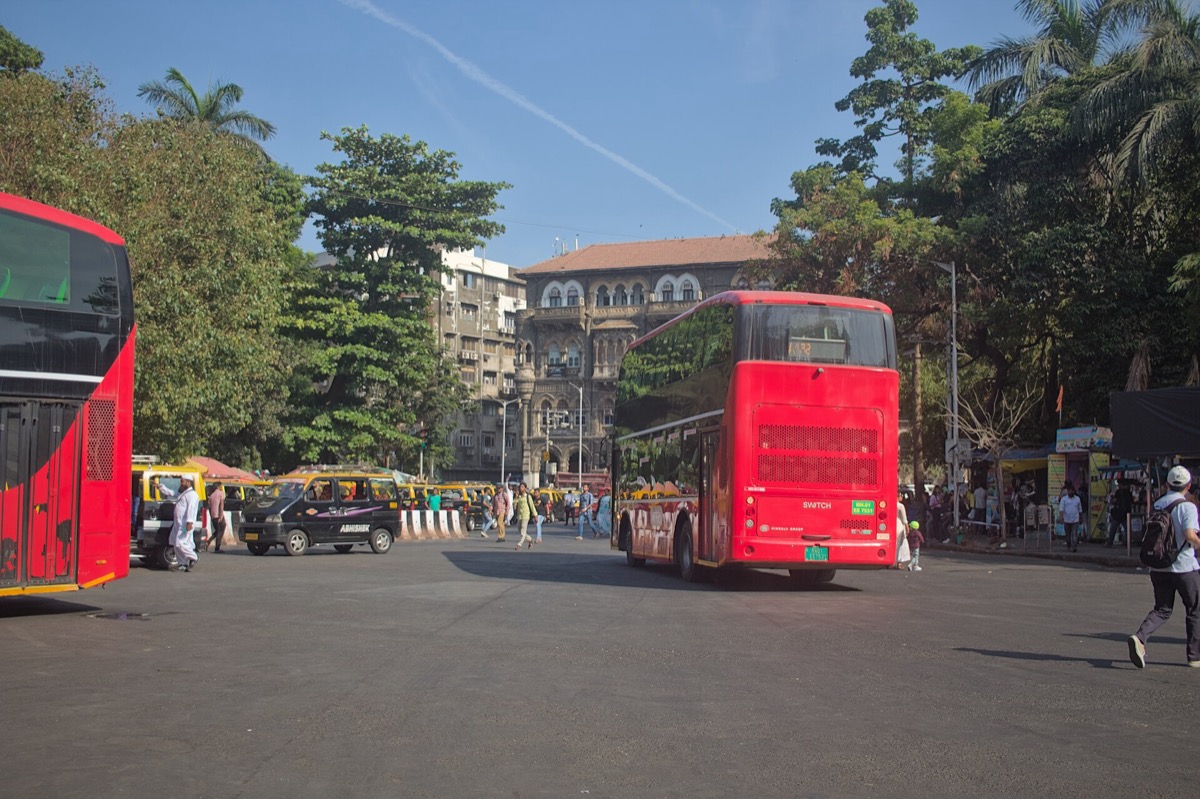
Indian roads have become increasingly hazardous, with potholes, wrong-way drivers, and a general disregard for lane discipline making daily travel a test of endurance. This is particularly concerning during heavy rains and peak congestion, when it becomes a public safety crisis.
In June 2026, Union Minister JP Nadda announced an ambitious plan to ensure Emergency Medical Technicians (EMTs) reach healthcare facilities within 20 minutes. However, the lack of dedicated lanes for ambulances hinders their ability to provide rapid response and effective service.
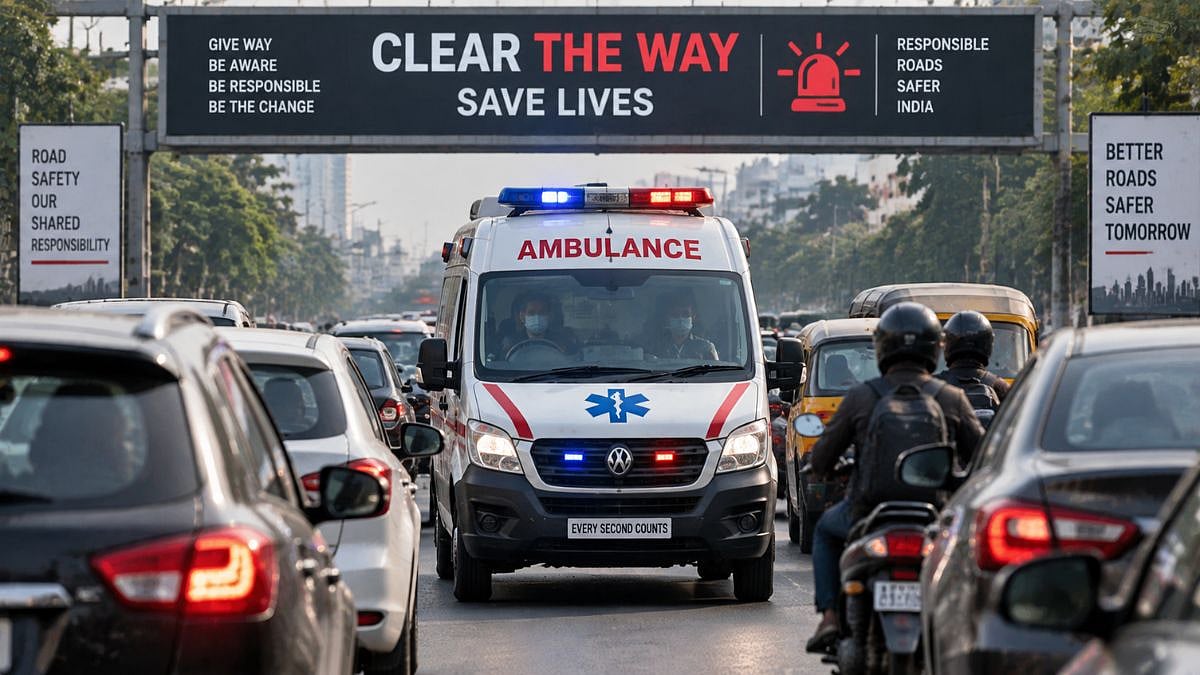
Ambulances often struggle to navigate through the chaos, facing obstruction and indifference from other drivers. Instead of being respected as emergency vehicles, they are seen as hindrances, with drivers delaying, fumbling, or ignoring the siren. Some drivers even follow ambulances to clear traffic for themselves.
This is not merely an infrastructural failure, but also a civic attitude problem. Government statistics show that in 2025, two lakh people died as a result of traffic accidents alone, with most victims being between 18 and 60 years old. The financial toll is immense, with the World Bank estimating that traffic accidents cost India 5-7% of its GDP annually.
For poor households, accidents can lead to medical expenses, debt, lost income, and long-term hardship. The true cost extends beyond hospital bills, including lost productivity and emotional trauma, as well as the impact on families.
When an ambulance arrives late or not at all, lives are lost that could have been saved. While reforms such as better design, stricter enforcement, and disciplined public transport are needed, citizens must also bear responsibility. We often consider traffic and safety issues as others' problems until tragedy strikes our own loved ones.
We complain about traffic, reckless driving, and delays, but frequently contribute to the chaos ourselves. When an ambulance tries to pass, we are often the obstacle, talking on phones, listening to music, ignoring the siren, or even taking photos of the scene. We fail to recognize that those precious seconds can save a life.
This civic indifference must change. India must prioritize dedicated ambulance lanes on major roads connecting hospitals and busy areas. These lanes should be clearly marked, and citizens must be educated on the importance of giving way to ambulances.
By taking responsibility and making a few simple changes, we can help reduce the chaos on Indian roads and ensure that ambulances can provide the rapid response and effective service that is so crucial in emergency situations.
In conclusion, the struggle of ambulances to navigate through Indian traffic is a complex issue that requires a multifaceted solution. While the government must take steps to improve infrastructure and enforcement, citizens must also take responsibility for their actions on the road. By working together, we can create a safer and more efficient transportation system that prioritizes the well-being of all citizens.
Frequently asked questions
What is the main cause of traffic accidents in India?
The main cause of traffic accidents in India is a combination of infrastructural failures and civic attitude problems, including potholes, wrong-way drivers, and a general disregard for lane discipline.
How can citizens contribute to reducing traffic chaos?
Citizens can contribute to reducing traffic chaos by giving way to ambulances, avoiding distractions while driving, and following traffic rules.