BMC Corporators Lose Seats Over Invalid Caste Certs
Two BMC corporators lose seats, one from AIMIM and one from NCP, due to invalid caste certificates. The decision affects the parties' strength in the BMC.

In a significant development, two corporators from the Brihanmumbai Municipal Corporation (BMC) have lost their seats. One corporator from the All India Majlis-e-Ittehadul Muslimeen (AIMIM) and one from the Nationalist Congress Party (NCP) have been disqualified after their caste certificates were invalidated.
The decision was made after an investigation into the authenticity of the caste certificates submitted by the corporators. The inquiry revealed that the certificates were not genuine, leading to the cancellation of their membership in the BMC.
The AIMIM and NCP have both been affected by this decision, with each party losing one corporator. This change in the BMC's composition may have implications for the parties' strength and influence in the municipal corporation.
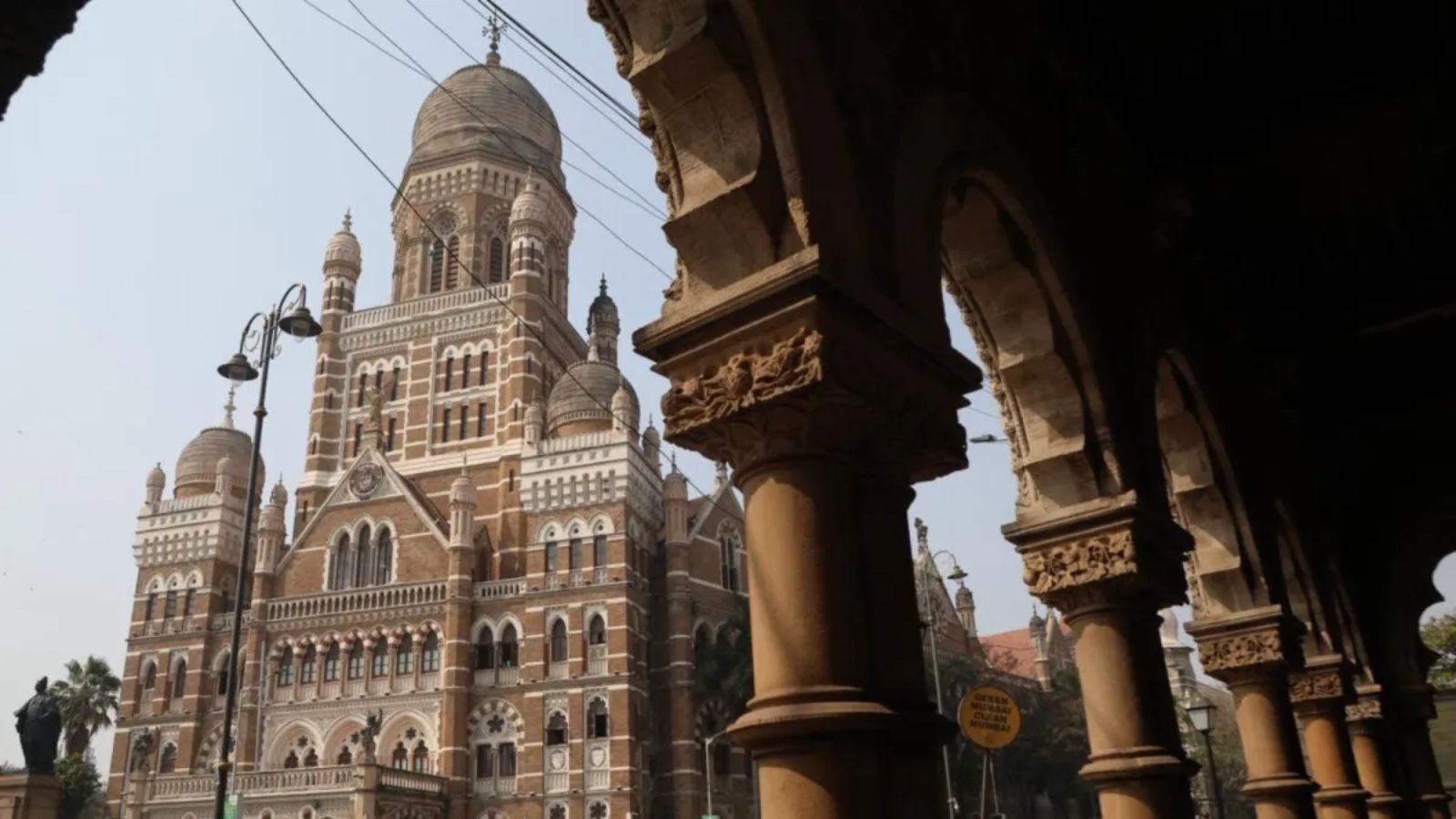
The BMC is the civic body responsible for governing Mumbai, and its corporators play a crucial role in decision-making and policy implementation. The loss of two corporators due to invalid caste certificates highlights the importance of verifying the authenticity of documents submitted by public representatives.
The BMC has a total of 227 corporators, and the current composition of the civic body is dominated by the Shiv Sena and the Bharatiya Janata Party (BJP). The AIMIM and NCP are among the other parties represented in the BMC.
The invalidation of caste certificates is a serious issue, as it can affect the eligibility of candidates to contest elections from reserved constituencies. The decision to disqualify the two corporators serves as a reminder of the need for strict verification of documents to ensure the integrity of the electoral process.
In Mumbai, the BMC plays a vital role in providing civic amenities and services to the city's residents. The corporation is responsible for maintaining infrastructure, providing healthcare and education, and ensuring the overall well-being of the city's inhabitants.
The loss of two corporators may lead to a reshuffle in the BMC's committee compositions and could potentially affect the parties' ability to push through their agendas. However, it is essential to note that the decision to disqualify the corporators is based on the invalidation of their caste certificates, which is a matter of ensuring the integrity of the electoral process.
The development is significant, as it highlights the importance of verifying the authenticity of documents submitted by public representatives. The BMC and the parties involved will need to adapt to the new composition of the civic body and ensure that the interests of the city's residents continue to be represented effectively.
In conclusion, the disqualification of two BMC corporators due to invalid caste certificates is a significant development that affects the composition of the civic body. The decision serves as a reminder of the need for strict verification of documents to ensure the integrity of the electoral process and highlights the importance of maintaining the trust of the public in the democratic system.