CAG Finds Deficiencies In Ladki Bahin Scheme
Ladki Bahin scheme has financial management issues. CAG reports deficiencies.

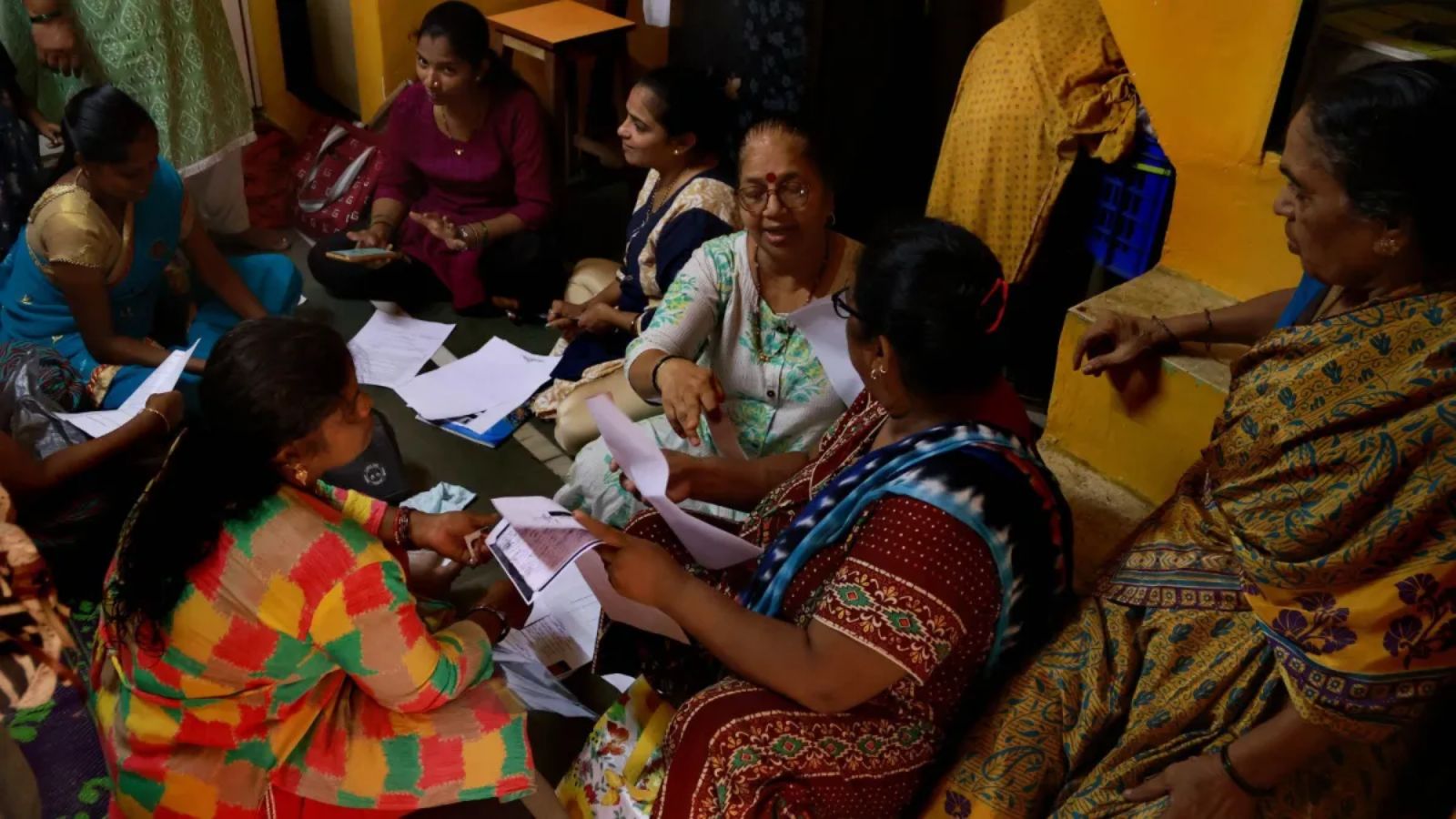
The Comptroller and Auditor General (CAG) has identified significant deficiencies in the financial management of the Ladki Bahin scheme, a key initiative aimed at empowering women in Maharashtra.
The scheme, launched by the state government, has been under scrutiny for its implementation and financial management. According to the CAG report, there are notable lapses in the way funds are being utilized and managed.
The CAG audit has highlighted the need for improved financial oversight and better utilization of resources allocated to the scheme. The report emphasizes the importance of addressing these deficiencies to ensure the scheme achieves its intended objectives.
The Ladki Bahin scheme is a flagship program of the Maharashtra government, focusing on women's empowerment and education. The scheme provides financial assistance to girls from economically weaker sections, enabling them to pursue higher education and become self-sufficient.
In recent years, the scheme has gained significant attention, with the state government allocating substantial funds to support its implementation. However, the CAG report suggests that there is a need for more effective financial management to ensure that the allocated funds are being utilized efficiently.
The state government has been working to address the issues highlighted in the CAG report, with a focus on improving the overall governance and implementation of the scheme. The government has emphasized its commitment to ensuring that the scheme benefits the intended beneficiaries and achieves its objectives.
The CAG report is a significant development, as it highlights the need for greater transparency and accountability in the implementation of government schemes. The report's findings are likely to have implications for the future implementation of the Ladki Bahin scheme and other similar initiatives.
The Maharashtra government has been under pressure to improve the implementation of its schemes, with a focus on ensuring that benefits reach the intended beneficiaries. The CAG report's findings are likely to inform the government's efforts to strengthen its systems and processes, ensuring that schemes like the Ladki Bahin scheme are implemented effectively.
In the context of women's empowerment in Maharashtra, the Ladki Bahin scheme plays a crucial role. The scheme's objectives align with the state government's broader goals of promoting education and economic independence among women. The CAG report's findings, therefore, have significant implications for the state's efforts to empower women and promote gender equality.
The report's emphasis on improved financial management and oversight is likely to have a positive impact on the scheme's implementation, enabling the state government to better achieve its objectives. As the government works to address the deficiencies highlighted in the report, it is likely that the scheme will become more effective in supporting the education and empowerment of women in Maharashtra.
In conclusion, the CAG report's findings on the Ladki Bahin scheme's financial management deficiencies have significant implications for the scheme's implementation and the state government's efforts to empower women. The report highlights the need for improved financial oversight and better utilization of resources, emphasizing the importance of addressing these deficiencies to ensure the scheme achieves its intended objectives.