NCERT Revises Class 8 Textbook After SC Order
NCERT updates social science textbook, drops controversial content, adds new chapters

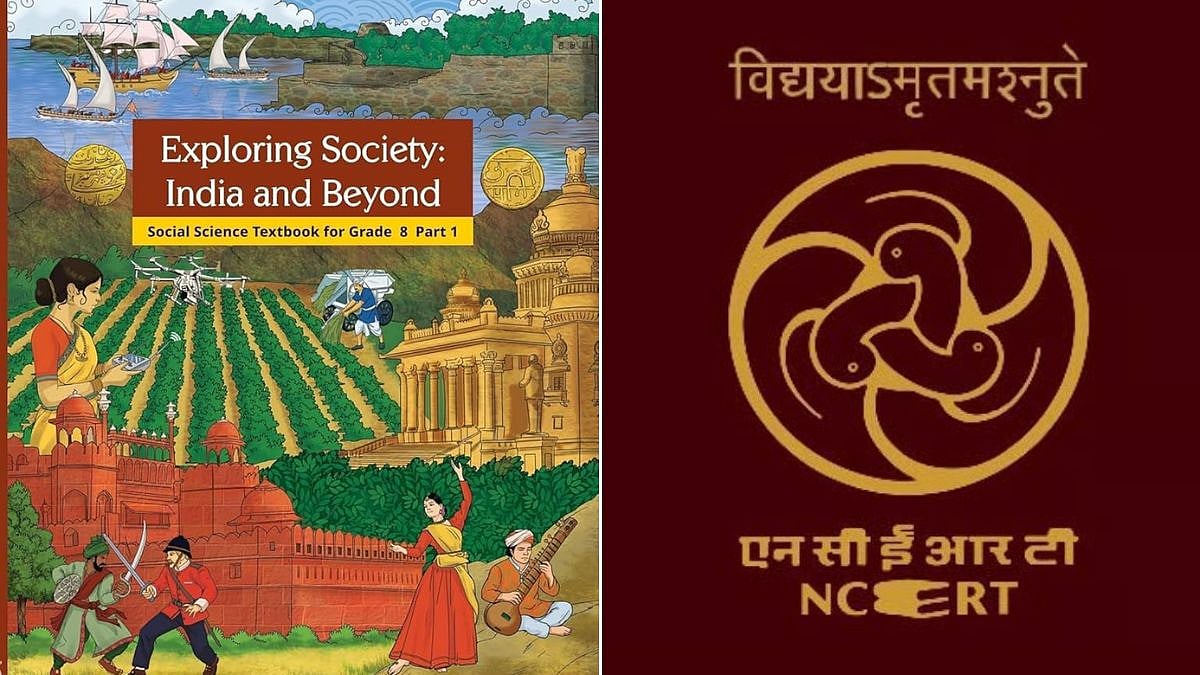
The National Council of Educational Research and Training (NCERT) has revised its class 8 social science textbook, 'Exploring Society: India and Beyond', following a Supreme Court order. The revised textbook drops controversial portions that allegedly defamed the judiciary and adds new material on Public Interest Litigation (PIL), tribunals, and alternative dispute resolution mechanisms.
The controversy began in February when the textbook was criticized for its portrayal of the judiciary. The Supreme Court intervened, and the NCERT was forced to withdraw physical and digital copies of the textbook and issue an apology. The top court also imposed a blanket ban on further publication, reprinting, or digital dissemination of the textbook.
The revised textbook also updates chapters on Partition and Netaji Subhash Chandra Bose. The new edition states that Partition was 'widely opposed even by the Indian National Congress' and that whether accepting it was 'the only way forward' remains a matter of debate. The textbook also removes references to Adolf Hitler and Nazi ideology, instead stating that Bose 'sought support from anti-British forces'.
Additionally, the revised textbook adds a sentence on VD Savarkar's demand for Swaraj in 1925. The NCERT has made these changes to provide a more accurate and balanced representation of historical events.
The revised textbook is now available, and the NCERT has ensured that the controversial content has been removed. The changes aim to provide a more comprehensive understanding of India's history and judiciary.
The NCERT's decision to revise the textbook is a significant step towards ensuring that educational content is accurate and respectful. The revised textbook will be used by students across the country, and it is expected to provide a more nuanced understanding of India's history and social sciences.
The Supreme Court's intervention in the matter highlights the importance of ensuring that educational content is free from controversy and bias. The NCERT's apology and withdrawal of the textbook demonstrate its commitment to providing high-quality educational materials.
The revised textbook is a positive step towards promoting a more accurate understanding of India's history and judiciary. It is expected to have a positive impact on students and educators across the country.