
Central Railway Deploys KAVACH Safety System
Central Railway introduces KAVACH to prevent collisions. The system is now operational on the Solapur-Wadi route.

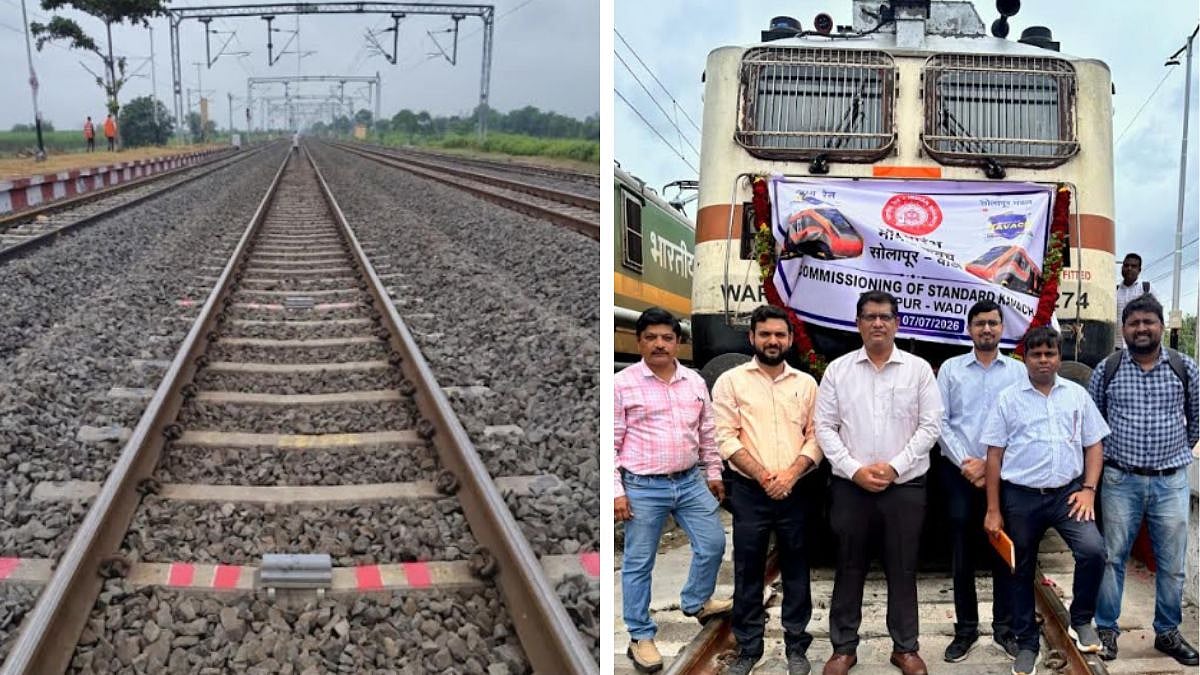
Central Railway has taken a significant step towards enhancing railway safety by introducing the Standard KAVACH system on the Solapur-Wadi route. This indigenous Automatic Train Protection (ATP) system is designed to prevent train collisions and improve operational safety through real-time communication between locomotives and railway infrastructure.
The KAVACH system, which is part of the Government of India's Atmanirbhar Bharat initiative, is now operational on the 149.476-km Solapur-Wadi section. It enables automatic collision prevention and emergency alerts, ensuring a safer journey for passengers. The system also allows loco pilots to manually trigger SOS messages during emergencies.
The Standard KAVACH system relies on continuous communication between KAVACH-equipped locomotives and trackside infrastructure using RFID technology for accurate train positioning. As part of the project, the Signal and Telecommunication Department of Solapur Division installed and programmed 1,234 RFID tags across the Solapur-Wadi route.
The system underwent extensive field trials and validation as per Research Designs and Standards Organisation (RDSO) standards before being cleared for commissioning. These trials included tests for head-on and rear-end collision prevention and SOS generation under different operating conditions.
Railway officials believe that the project marks a significant milestone in the division's modernisation drive and will improve the safety and reliability of both passenger and freight operations. The commissioning of the KAVACH system also supports Indian Railways' broader push to expand indigenous safety technologies and build a smarter, safer railway network across the country.
The introduction of the KAVACH system is a major step towards improving railway safety in India. With the increasing number of train accidents in recent years, the need for a robust safety system has become more pressing. The KAVACH system is expected to play a crucial role in preventing train collisions and ensuring a safer journey for passengers.
The Solapur-Wadi route is an important section of the Central Railway network, with several passenger and freight trains operating on this route every day. The introduction of the KAVACH system on this route is expected to have a significant impact on the safety and reliability of train operations.
In addition to improving safety, the KAVACH system is also expected to enhance the efficiency of train operations. With the ability to monitor train movements in real-time, railway officials can respond quickly to any emergencies or disruptions, minimizing delays and ensuring a smoother journey for passengers.
The commissioning of the KAVACH system on the Solapur-Wadi route is a significant achievement for Central Railway and Indian Railways as a whole. It demonstrates the commitment of the railway authorities to improving safety and reliability, and is an important step towards building a smarter, safer railway network in India.
The introduction of the KAVACH system is also expected to have a positive impact on the overall development of the railway network in India. With the increasing focus on indigenous safety technologies, Indian Railways is expected to become a leader in the development of innovative safety solutions, enhancing its reputation as a safe and reliable mode of transportation.
In conclusion, the deployment of the KAVACH safety system on the Solapur-Wadi route is a significant milestone in the history of Indian Railways. It marks a major step towards improving railway safety and reliability, and is expected to have a positive impact on the overall development of the railway network in India.