SC to Hear PILs on Ram Janmabhoomi Trust Donations
The Supreme Court will hear PILs seeking a court-monitored probe into alleged irregularities in Ram Janmabhoomi Trust donations. The PILs seek transparency and accountability in the management of donations.
'%3E%3Crect%20width%3D'96'%20height%3D'96'%20fill%3D'%231A5276'%2F%3E%3Ccircle%20cx%3D'30'%20cy%3D'24'%20r%3D'44'%20fill%3D'%23fff'%20opacity%3D'.12'%2F%3E%3Ccircle%20cx%3D'60'%20cy%3D'74'%20r%3D'40'%20fill%3D'%23000'%20opacity%3D'.10'%2F%3E%3C%2Fg%3E%3Cg%20fill%3D'%23fff'%3E%3Cpath%20d%3D'M31%2041%20L48%2031%20L65%2041%20Z'%2F%3E%3Crect%20x%3D'33'%20y%3D'43'%20width%3D'4'%20height%3D'17'%2F%3E%3Crect%20x%3D'41'%20y%3D'43'%20width%3D'4'%20height%3D'17'%2F%3E%3Crect%20x%3D'51'%20y%3D'43'%20width%3D'4'%20height%3D'17'%2F%3E%3Crect%20x%3D'59'%20y%3D'43'%20width%3D'4'%20height%3D'17'%2F%3E%3Crect%20x%3D'30'%20y%3D'62'%20width%3D'36'%20height%3D'4'%20rx%3D'1'%2F%3E%3C%2Fg%3E%3C%2Fsvg%3E)
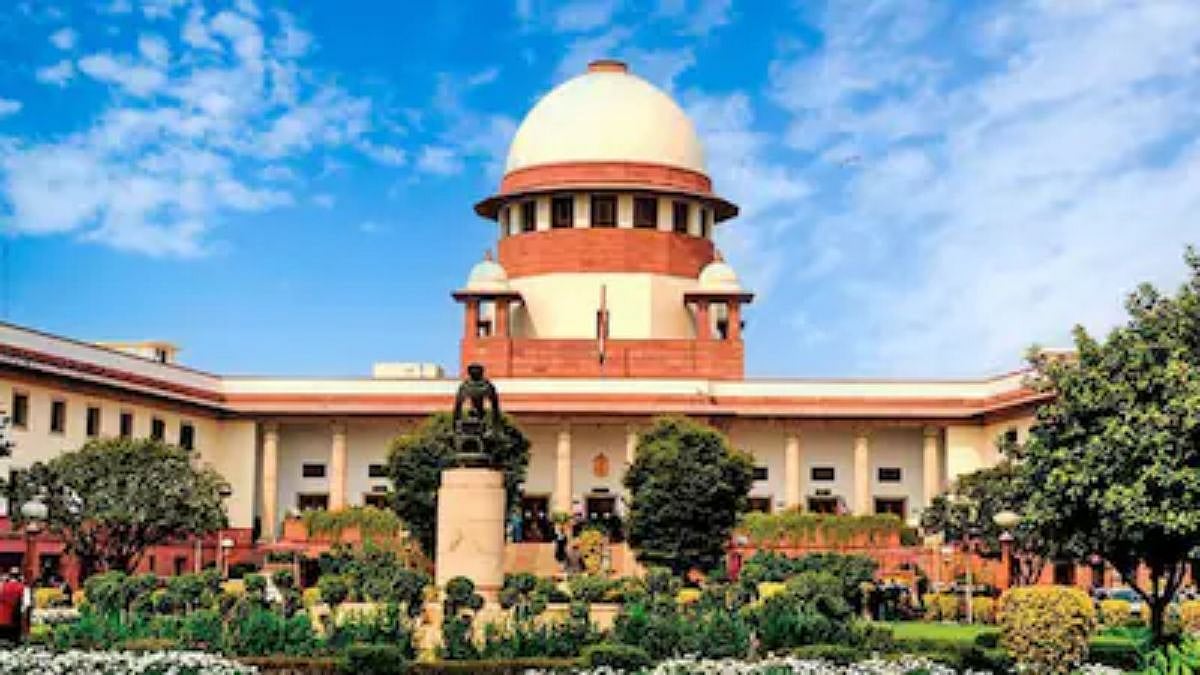
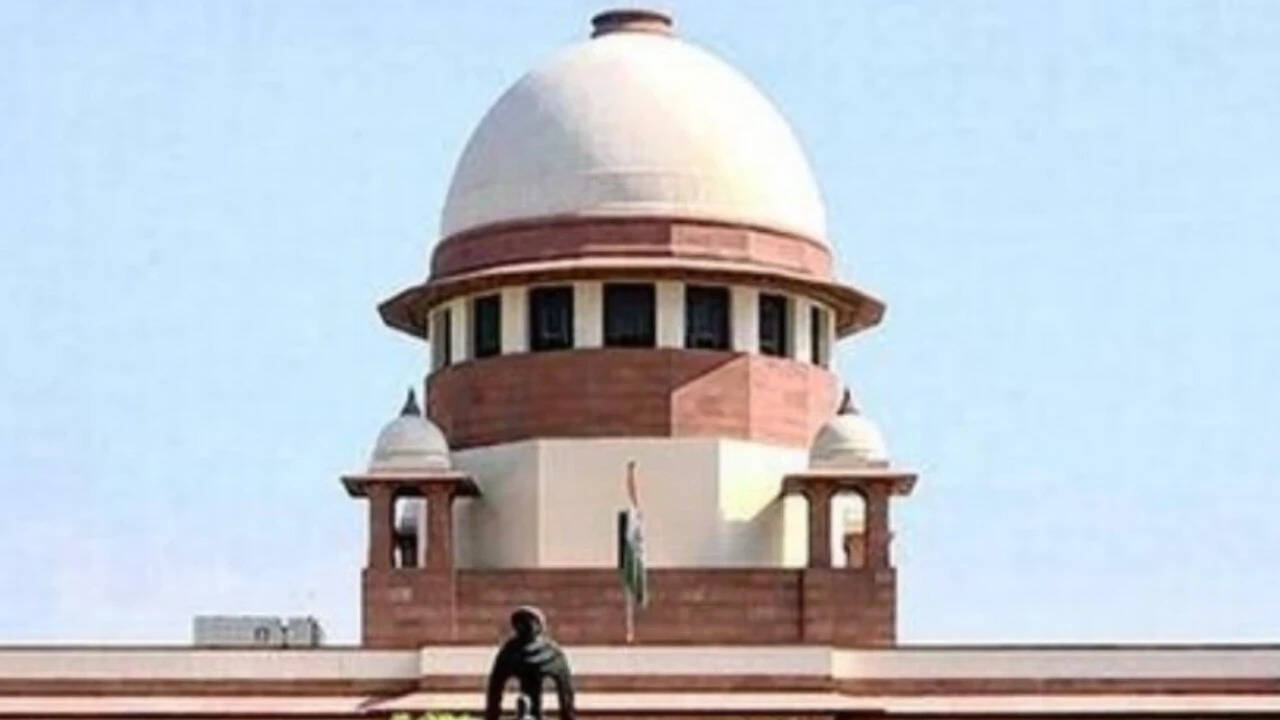
The Supreme Court is scheduled to hear a batch of public interest litigations (PILs) on Monday, seeking a court-monitored investigation into alleged financial irregularities in the management of donations and offerings received by the Shri Ram Janmabhoomi Teerth Kshetra Trust in Ayodhya.
The PILs, which include a writ petition filed by advocate Narendra Kumar Goswami, a criminal writ petition filed by Ajay Kumar Rai, and a separate petition moved by RJD MP Sudhakar Singh, will be heard by a Bench of Chief Justice of India (CJI) Surya Kant and Justices Joymalya Bagchi and V. Mohana.
Goswami's petition seeks directions for preservation of records and evidence relating to donations made at the Ram Janmabhoomi temple and greater transparency in the administration of temple offerings. The petition argues that offerings made to a deity in a public temple constitute 'sacred trust property' vesting in the deity as a juristic person, and persons handling such offerings are fiduciaries bound by duties of transparency, accountability, and preservation.
The petition has sought immediate preservation of all records, CCTV footage, and digital logs relating to donations and offerings at the temple, besides seeking a sealed status report of the ongoing Special Investigation Team (SIT) probe and an independent forensic audit of all donations, offerings, and valuable items received by the Trust since its inception.
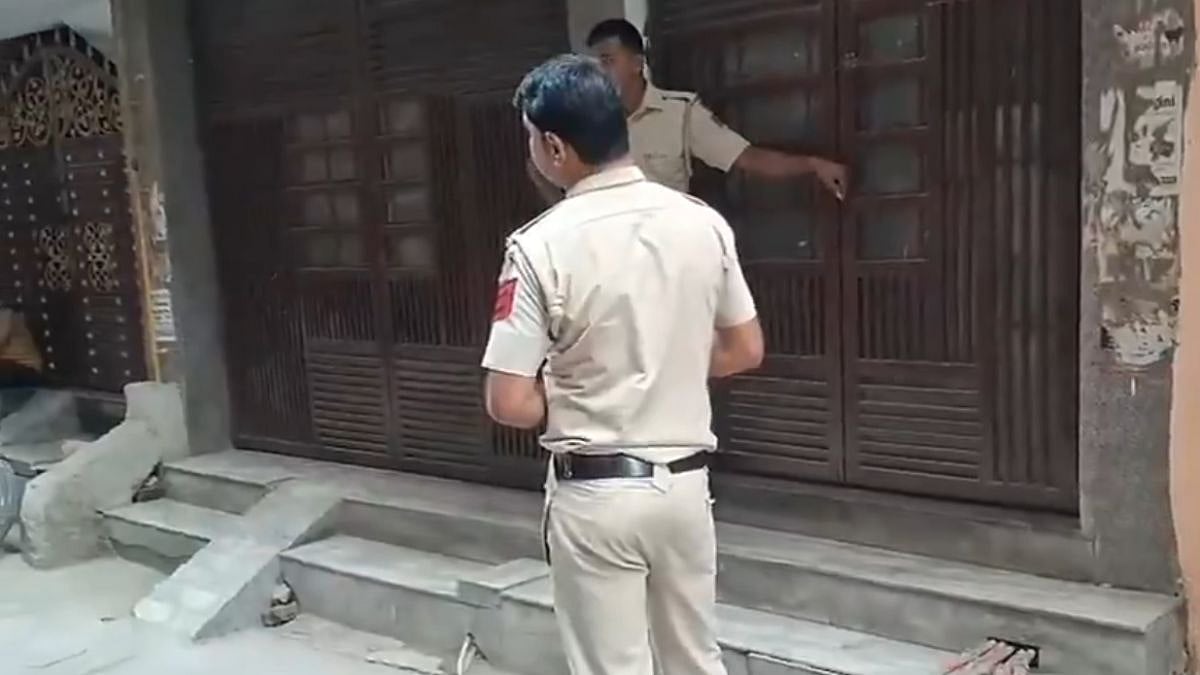
The plea also urges the apex court to direct the formulation of minimum constitutional safeguards for transparent handling of public temple donations and offerings in temples of national importance. Referring to recent developments, the plea says the cause of action arose after public reports and the constitution of a three-member SIT by the Uttar Pradesh government allegedly revealed irregularities, misappropriation, and mishandling of donations at the temple.
Meanwhile, MP Sudhakar Singh has sought transfer of the ongoing probe to the Central Bureau of Investigation (CBI) under the direct monitoring of the Supreme Court. The Supreme Court had earlier declined an urgent hearing on Goswami's plea, directing that the matter be listed after the top court reopened following the summer vacation.
The Shri Ram Janmabhoomi Teerth Kshetra Trust was established to manage the construction and administration of the Ram temple in Ayodhya. The trust has been facing allegations of financial irregularities and mismanagement of donations, which has led to the filing of these PILs.
The hearing of these PILs is significant, as it raises questions about the transparency and accountability of religious trusts and institutions in India. The Supreme Court's decision in this matter will have implications for the management of donations and offerings in temples and other religious institutions across the country.
The case also highlights the importance of ensuring that donations and offerings made to religious institutions are used for the intended purpose and are not misappropriated or mismanaged. The Supreme Court's intervention in this matter is expected to bring transparency and accountability to the management of donations and offerings in the Ram Janmabhoomi temple and other religious institutions.
In conclusion, the hearing of the PILs seeking a court-monitored probe into alleged irregularities in Ram Janmabhoomi Trust donations is a significant development that raises important questions about transparency and accountability in religious trusts and institutions. The Supreme Court's decision in this matter will have far-reaching implications for the management of donations and offerings in temples and other religious institutions across India.