Mumbai Urged to Harvest Rainwater
Mumbai faces water cuts and floods despite heavy rainfall. Greens propose a solution.

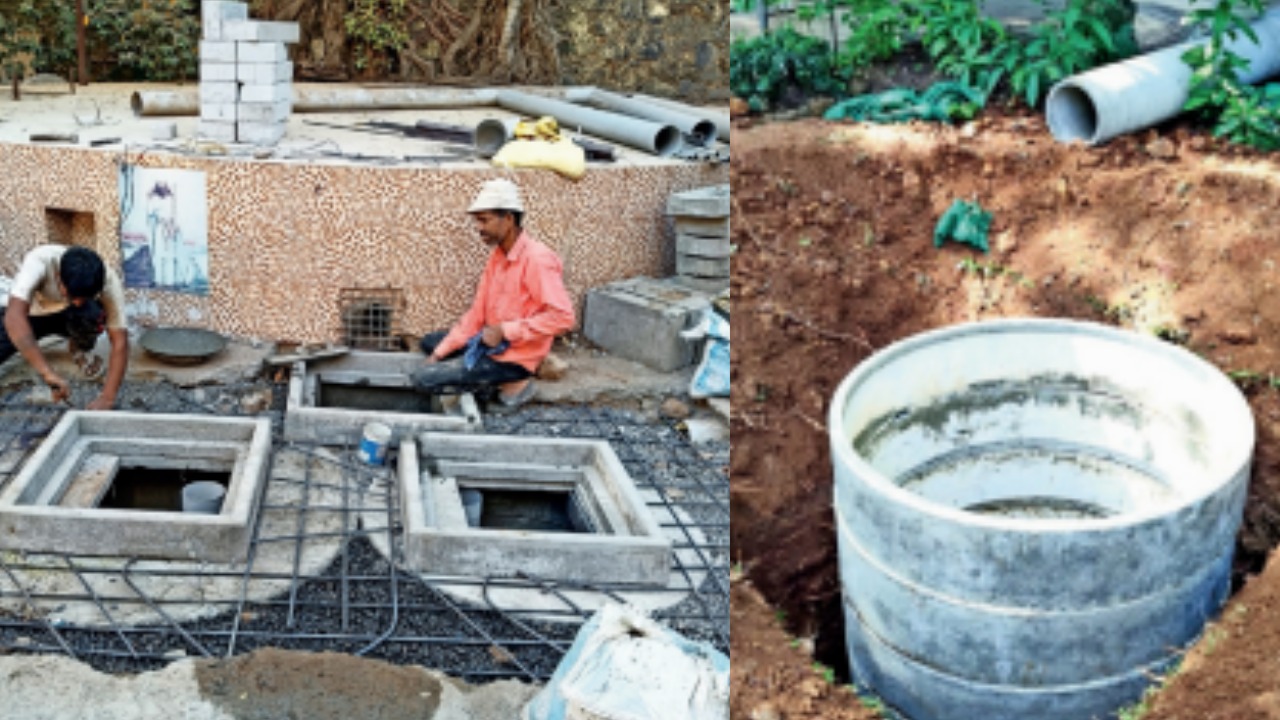
Mumbai has recently experienced significant rainfall, yet the city still grapples with water scarcity and flooding issues. A substantial amount of this rainwater flows into the sea as surface runoff, highlighting the need for a more efficient water management system.
The concept of rainwater harvesting has been proposed as a viable solution to mitigate urban flooding challenges in Mumbai. This decentralized approach not only helps conserve water but also addresses the city's water scarcity concerns. By implementing more rainwater harvesting systems, the city can better manage excess water and reduce street accumulation during heavy rainfall.
Environmentalists and experts believe that rainwater harvesting is a crucial step towards making Mumbai more resilient to flooding. This method involves collecting and storing rainwater for non-potable purposes, such as flushing toilets or washing clothes. By doing so, the pressure on the city's drainage system can be reduced, minimizing the risk of flooding.
Mumbai's geography, with its low-lying areas and dense population, makes it prone to flooding. The city's drainage system is often overwhelmed during heavy rainfall, resulting in waterlogged streets and displacement of residents. Rainwater harvesting offers a sustainable solution to this problem, allowing residents to take charge of their own water management.
The benefits of rainwater harvesting extend beyond flood mitigation. It also helps reduce the city's reliance on groundwater, which is often depleted during the dry season. By conserving rainwater, Mumbai can reduce its water scarcity concerns and create a more sustainable water management system.
Several cities around the world have successfully implemented rainwater harvesting systems, demonstrating its effectiveness in mitigating urban flooding. Mumbai can learn from these examples and adapt them to its unique context. By promoting rainwater harvesting, the city can take a significant step towards creating a more resilient and sustainable water management system.
The implementation of rainwater harvesting systems requires a collaborative effort from residents, policymakers, and experts. Residents can start by installing rainwater harvesting systems in their homes, while policymakers can provide incentives and support for such initiatives. Experts can provide guidance on the design and implementation of these systems, ensuring their effectiveness and sustainability.
In conclusion, rainwater harvesting offers a promising solution to Mumbai's flooding and water scarcity concerns. By adopting this decentralized approach, the city can reduce its reliance on groundwater, mitigate urban flooding, and create a more sustainable water management system. As the city continues to experience heavy rainfall, it is essential for residents, policymakers, and experts to work together to promote rainwater harvesting and create a more resilient Mumbai.
The significance of this initiative extends beyond Mumbai, as it can serve as a model for other cities in India and around the world. By addressing the challenges of urban flooding and water scarcity, Mumbai can contribute to the global effort to create more sustainable and resilient cities. As the city moves forward with this initiative, it is crucial to monitor its progress and adapt to any challenges that may arise, ensuring the long-term effectiveness of rainwater harvesting in mitigating floods and conserving water.