Ancient DNA Found On Cave Walls
Scientists recover ancient DNA from cave paintings, revealing artist info. Breakthrough study published in Nature Communications.

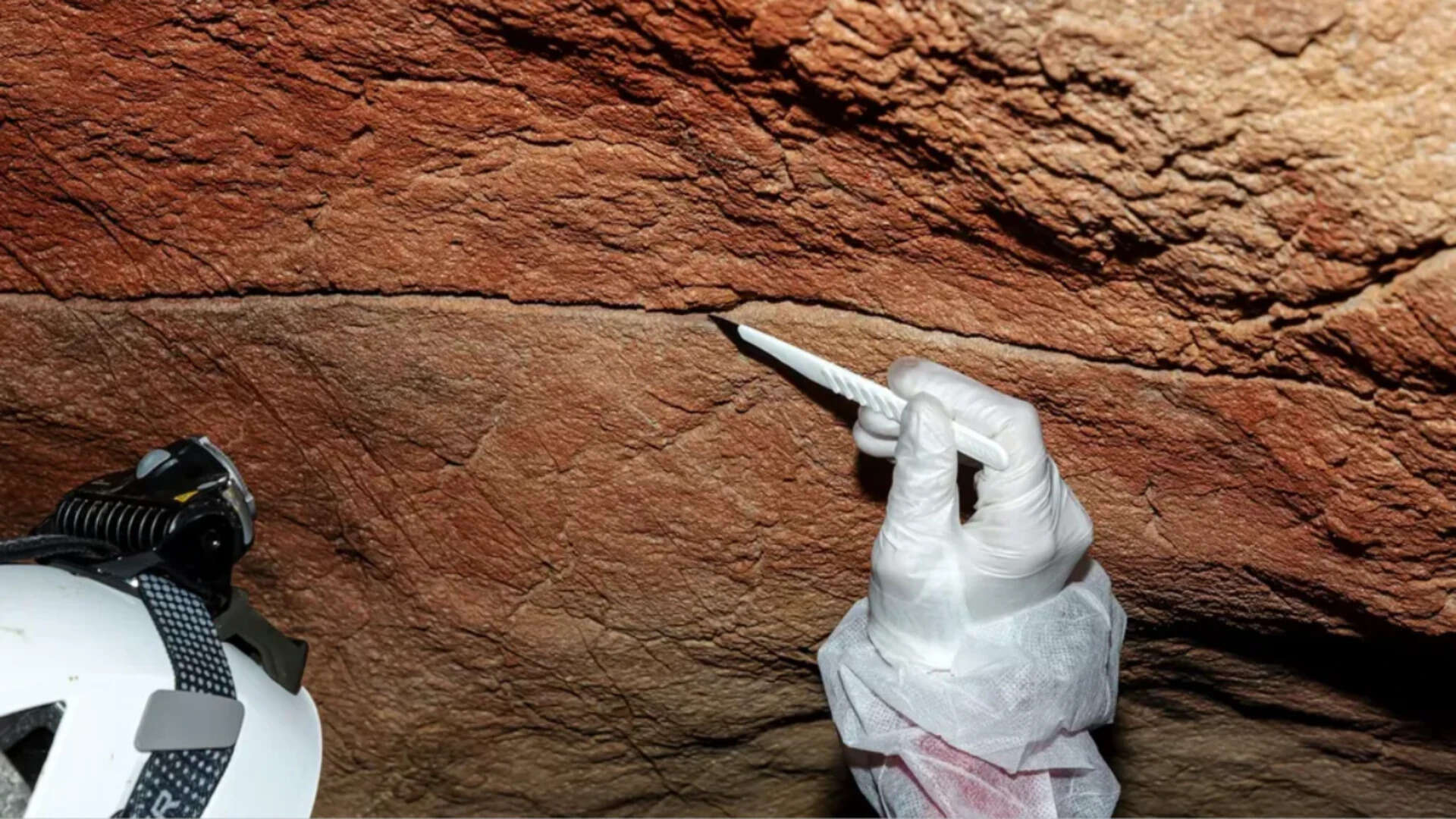
In a groundbreaking discovery, researchers have successfully isolated ancient human DNA from prehistoric cave paintings in Spain and Portugal. This remarkable achievement, published in Nature Communications, has the potential to uncover the identities of the artists who created these ancient works, including their gender and lineage. The ancient DNA is believed to have been deposited on the cave walls through bodily fluids, providing a unique link to the people who crafted these enduring relics thousands of years ago.
The researchers involved in the study have made a significant breakthrough in the field of archaeogenetics, which is the study of ancient DNA. By analyzing the DNA extracted from the cave paintings, they hope to gain a better understanding of the lives and cultures of the people who created these ancient works of art. This discovery also raises the possibility of identifying the artists who created specific paintings, which could provide valuable insights into the social and cultural context of the time.
The cave paintings found in Spain and Portugal are estimated to be thousands of years old, with some dating back to the Upper Paleolithic period. The discovery of ancient DNA on these paintings is a significant find, as it provides a direct link to the people who created them. The researchers used advanced techniques to extract and analyze the DNA, which was found to be remarkably well-preserved despite being thousands of years old.
The implications of this discovery are far-reaching, and could potentially revolutionize the field of archaeology. By analyzing ancient DNA, researchers may be able to reconstruct the lives and cultures of ancient civilizations, and gain a better understanding of human history. This discovery also highlights the importance of preserving our cultural heritage, and the need to protect ancient sites and artifacts from damage and destruction.
As the researchers continue to analyze the ancient DNA, they hope to uncover more information about the artists who created these ancient works of art. This could include details about their diet, lifestyle, and social status, as well as their genetic relationships to other ancient populations. The discovery of ancient DNA on cave paintings is a significant breakthrough, and one that could potentially shed new light on human history.
The study's findings have been met with excitement and interest from the scientific community, with many researchers hailing it as a major breakthrough. The discovery of ancient DNA on cave paintings is a significant achievement, and one that could potentially open up new avenues of research in the field of archaeogenetics. As the researchers continue to analyze the ancient DNA, they hope to uncover more information about the lives and cultures of ancient civilizations, and gain a better understanding of human history.