Mumbai Beaches Get 2,500 MT Garbage After Rains
Heavy rains bring massive garbage to Mumbai beaches. Cleanup efforts underway.
'%3E%3Crect%20width%3D'96'%20height%3D'96'%20fill%3D'%23B3261E'%2F%3E%3Ccircle%20cx%3D'30'%20cy%3D'24'%20r%3D'44'%20fill%3D'%23fff'%20opacity%3D'.12'%2F%3E%3Ccircle%20cx%3D'60'%20cy%3D'74'%20r%3D'40'%20fill%3D'%23000'%20opacity%3D'.10'%2F%3E%3C%2Fg%3E%3Cg%20fill%3D'%23fff'%3E%3Crect%20x%3D'29'%20y%3D'49'%20width%3D'8'%20height%3D'19'%20rx%3D'1'%2F%3E%3Crect%20x%3D'39'%20y%3D'40'%20width%3D'9'%20height%3D'28'%20rx%3D'1'%2F%3E%3Crect%20x%3D'50'%20y%3D'45'%20width%3D'8'%20height%3D'23'%20rx%3D'1'%2F%3E%3Crect%20x%3D'60'%20y%3D'53'%20width%3D'7'%20height%3D'15'%20rx%3D'1'%2F%3E%3Crect%20x%3D'41'%20y%3D'34'%20width%3D'5'%20height%3D'6'%2F%3E%3C%2Fg%3E%3C%2Fsvg%3E)
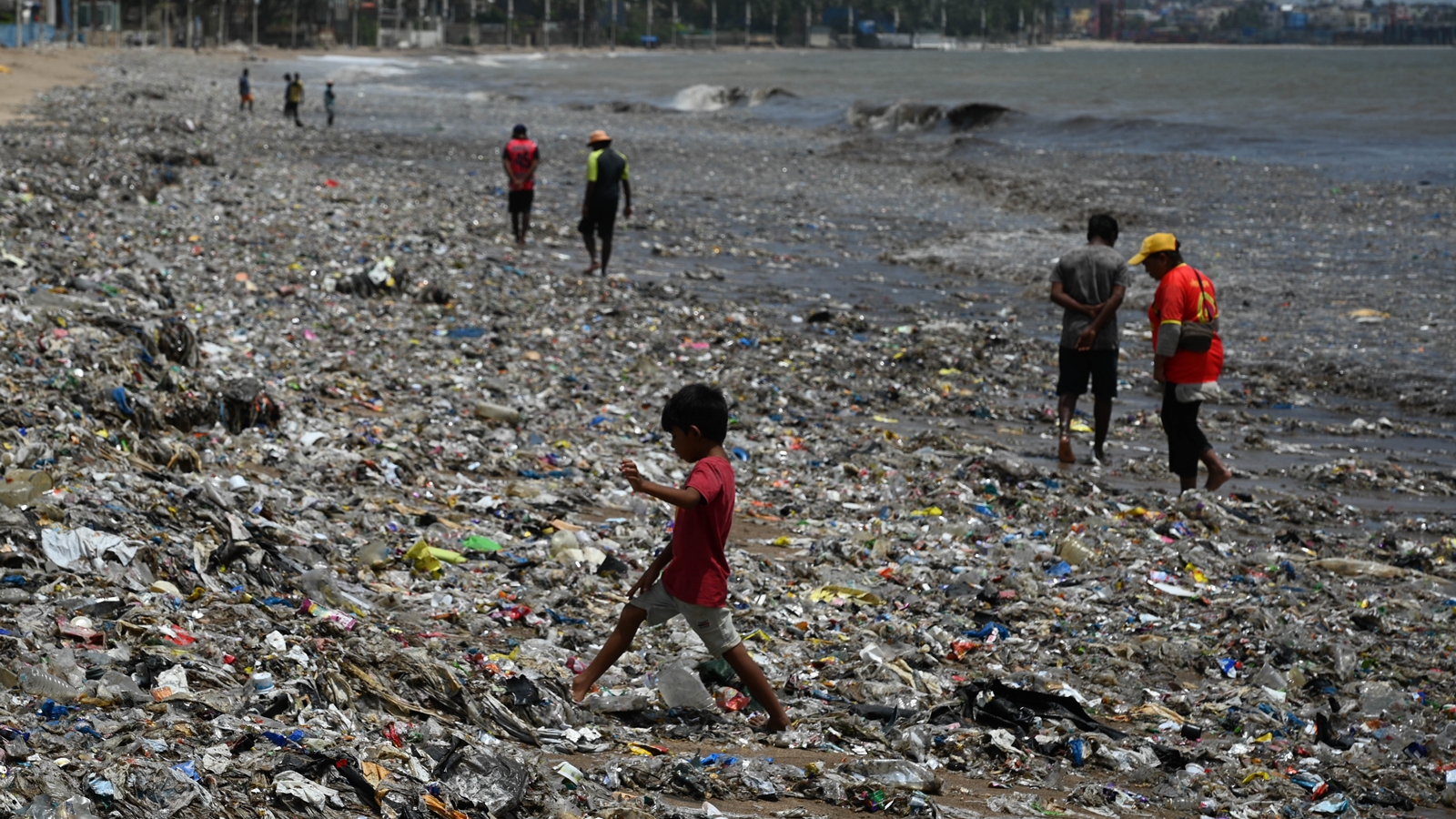
Mumbai's beaches have been hit with a massive amount of garbage, with 2,500 metric tonnes of waste washing ashore after recent heavy rains. The city's coastline has been affected, with popular beaches such as Juhu, Versova, and Girgaum Chowpatty being covered in trash.
The garbage, which includes plastic bags, bottles, and other non-biodegradable waste, has been carried by the sea from the city's drainage system and nearby water bodies. The heavy rains have caused the water bodies to overflow, resulting in the garbage being washed into the sea and then back onto the beaches.
The Brihanmumbai Municipal Corporation (BMC) has initiated cleanup efforts, with workers and machines being deployed to clear the garbage from the beaches. However, the task is daunting, and it may take several days to completely clear the waste.
The issue of garbage on Mumbai's beaches is not new, and it has been a persistent problem for several years. The city's drainage system is often overwhelmed during heavy rains, resulting in garbage and sewage being carried into the sea. The BMC has been working to improve the city's waste management system, but more needs to be done to address the issue.
Mumbai's beaches are not only popular tourist spots but also important ecosystems that support a wide range of marine life. The garbage on the beaches poses a significant threat to the environment and the health of the people who visit the beaches.
The BMC has appealed to citizens to cooperate in the cleanup efforts and to take steps to reduce their use of plastic and other non-biodegradable materials. The corporation has also announced plans to increase the number of garbage collection points and to improve the city's waste management infrastructure.
The incident highlights the need for a more effective waste management system in Mumbai and the importance of addressing the issue of garbage on the city's beaches. It also underscores the need for citizens to take responsibility for their actions and to work together to protect the environment.
In recent years, Mumbai has taken steps to address the issue of garbage on its beaches, including the implementation of a beach cleanup program and the construction of new garbage collection facilities. However, more needs to be done to address the root causes of the problem and to ensure that the city's beaches are kept clean and safe for visitors.
The cleanup efforts are ongoing, and the BMC is working to ensure that the beaches are restored to their original state as soon as possible. The incident serves as a reminder of the importance of protecting the environment and the need for collective action to address the issue of garbage on Mumbai's beaches.
The impact of the garbage on Mumbai's beaches is not limited to the environment; it also has significant economic and social implications. The city's tourism industry, which is a major contributor to the local economy, is affected by the presence of garbage on the beaches. Additionally, the garbage poses a health risk to the people who visit the beaches, and it can also affect the livelihoods of people who depend on the beaches for their income.
In conclusion, the incident of 2,500 metric tonnes of garbage washing ashore on Mumbai's beaches after heavy rains is a wake-up call for the city's authorities and citizens. It highlights the need for a more effective waste management system and the importance of addressing the issue of garbage on the city's beaches. It also underscores the need for collective action to protect the environment and to ensure that the city's beaches are kept clean and safe for visitors.
Frequently asked questions
How much garbage washed ashore on Mumbai's beaches?
2,500 metric tonnes of garbage washed ashore after heavy rains.
What is the BMC doing to address the issue?
The BMC has initiated cleanup efforts and has appealed to citizens to cooperate in the cleanup efforts and to take steps to reduce their use of plastic and other non-biodegradable materials.