BMC's PPP Model Slammed by Opposition
Opposition leader criticizes BMC's policy, alleges privatization of civic assets.
'%3E%3Crect%20width%3D'96'%20height%3D'96'%20fill%3D'%23B3261E'%2F%3E%3Ccircle%20cx%3D'30'%20cy%3D'24'%20r%3D'44'%20fill%3D'%23fff'%20opacity%3D'.12'%2F%3E%3Ccircle%20cx%3D'60'%20cy%3D'74'%20r%3D'40'%20fill%3D'%23000'%20opacity%3D'.10'%2F%3E%3C%2Fg%3E%3Cg%20fill%3D'%23fff'%3E%3Crect%20x%3D'29'%20y%3D'49'%20width%3D'8'%20height%3D'19'%20rx%3D'1'%2F%3E%3Crect%20x%3D'39'%20y%3D'40'%20width%3D'9'%20height%3D'28'%20rx%3D'1'%2F%3E%3Crect%20x%3D'50'%20y%3D'45'%20width%3D'8'%20height%3D'23'%20rx%3D'1'%2F%3E%3Crect%20x%3D'60'%20y%3D'53'%20width%3D'7'%20height%3D'15'%20rx%3D'1'%2F%3E%3Crect%20x%3D'41'%20y%3D'34'%20width%3D'5'%20height%3D'6'%2F%3E%3C%2Fg%3E%3C%2Fsvg%3E)

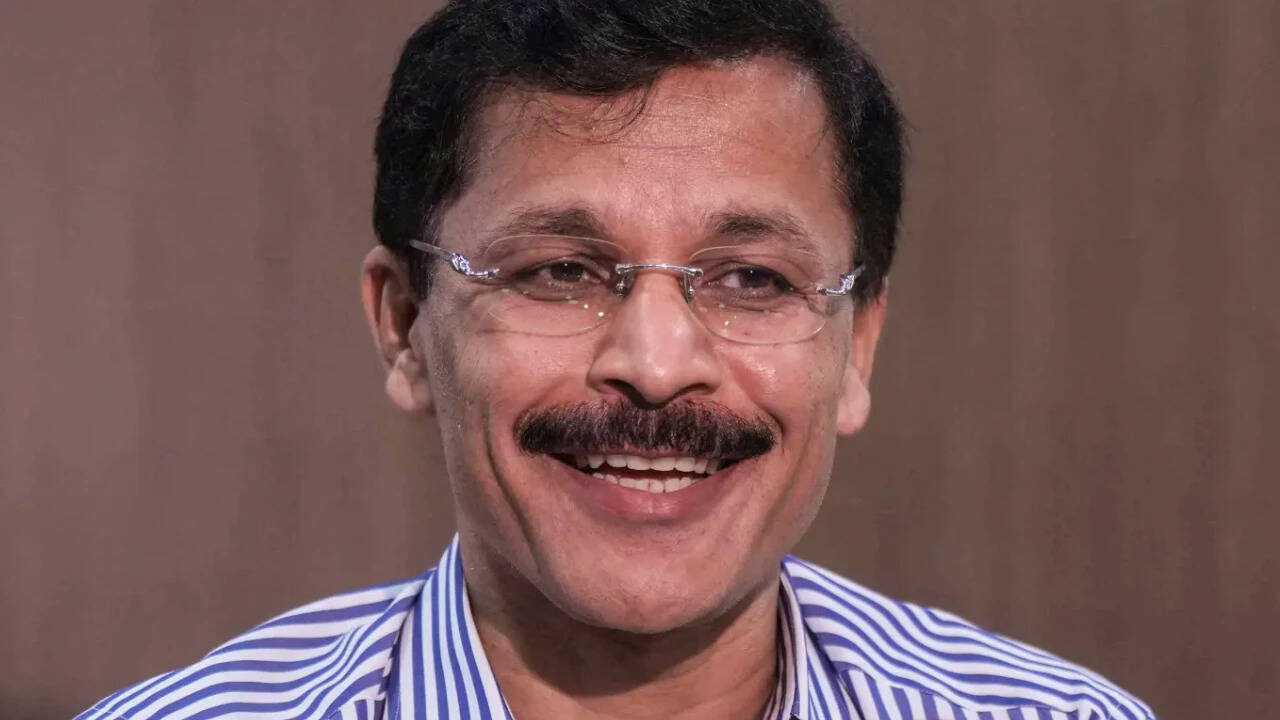
The Brihanmumbai Municipal Corporation's (BMC) Public-Private Partnership (PPP) model has come under fire from the opposition. Kishori Pednekar, the opposition leader in the BMC, has strongly criticized the policy, describing it as 'extremely suicidal and suspicious'.
According to Pednekar, the administration is using the PPP model as a cover to hand over civic properties to private developers. This has raised concerns about the privatization of citizens' assets and the potential consequences for the city.
The BMC's PPP model aims to involve private developers in various civic projects, such as infrastructure development and public services. However, the opposition has alleged that this model is being used to favor private interests at the expense of public assets.
The opposition's criticism of the PPP model is not new, but Pednekar's strong statement has brought the issue back into focus. The BMC has been accused of lacking transparency in its dealings with private developers, and the opposition has demanded greater accountability.
The privatization of civic assets is a sensitive issue in Mumbai, where public spaces and amenities are already scarce. The opposition's allegations have sparked concerns among citizens, who fear that the PPP model could lead to the exploitation of public assets for private gain.
The BMC has not responded to the opposition's criticism, but the issue is likely to be debated in the coming days. As the city's municipal corporation, the BMC has a responsibility to protect public assets and ensure that they are used for the benefit of citizens.
The controversy surrounding the PPP model highlights the need for greater transparency and accountability in the BMC's dealings with private developers. It also raises questions about the role of private developers in civic projects and the potential consequences for public assets.
In the context of Mumbai's rapid urbanization and growing infrastructure needs, the PPP model has been seen as a way to leverage private investment and expertise. However, the opposition's criticism suggests that the model needs to be re-examined to ensure that it serves the public interest.
The BMC's PPP model is not an isolated issue, but part of a broader debate about the role of private developers in civic projects. As Mumbai continues to grow and develop, it is essential to ensure that public assets are protected and used for the benefit of citizens.
The significance of this issue lies in its potential impact on the city's public assets and the lives of its citizens. The opposition's criticism of the PPP model serves as a reminder of the need for transparency, accountability, and public scrutiny in the BMC's dealings with private developers.
In conclusion, the controversy surrounding the BMC's PPP model highlights the need for a more nuanced approach to public-private partnerships in Mumbai. As the city's municipal corporation, the BMC must balance the need for private investment with the need to protect public assets and serve the public interest.
Frequently asked questions
What is the BMC's PPP model?
The BMC's PPP model involves private developers in civic projects, such as infrastructure development and public services.
Why is the opposition criticizing the PPP model?
The opposition alleges that the PPP model is being used to favor private interests at the expense of public assets, and that it lacks transparency.