Mumbai To Identify Non-Congestion Routes For E-Rickshaws
Mumbai to map out non-congestion routes, Minister announces plan for women e-rickshaw scheme
'%3E%3Crect%20width%3D'96'%20height%3D'96'%20fill%3D'%23B3261E'%2F%3E%3Ccircle%20cx%3D'30'%20cy%3D'24'%20r%3D'44'%20fill%3D'%23fff'%20opacity%3D'.12'%2F%3E%3Ccircle%20cx%3D'60'%20cy%3D'74'%20r%3D'40'%20fill%3D'%23000'%20opacity%3D'.10'%2F%3E%3C%2Fg%3E%3Cg%20fill%3D'%23fff'%3E%3Crect%20x%3D'29'%20y%3D'49'%20width%3D'8'%20height%3D'19'%20rx%3D'1'%2F%3E%3Crect%20x%3D'39'%20y%3D'40'%20width%3D'9'%20height%3D'28'%20rx%3D'1'%2F%3E%3Crect%20x%3D'50'%20y%3D'45'%20width%3D'8'%20height%3D'23'%20rx%3D'1'%2F%3E%3Crect%20x%3D'60'%20y%3D'53'%20width%3D'7'%20height%3D'15'%20rx%3D'1'%2F%3E%3Crect%20x%3D'41'%20y%3D'34'%20width%3D'5'%20height%3D'6'%2F%3E%3C%2Fg%3E%3C%2Fsvg%3E)
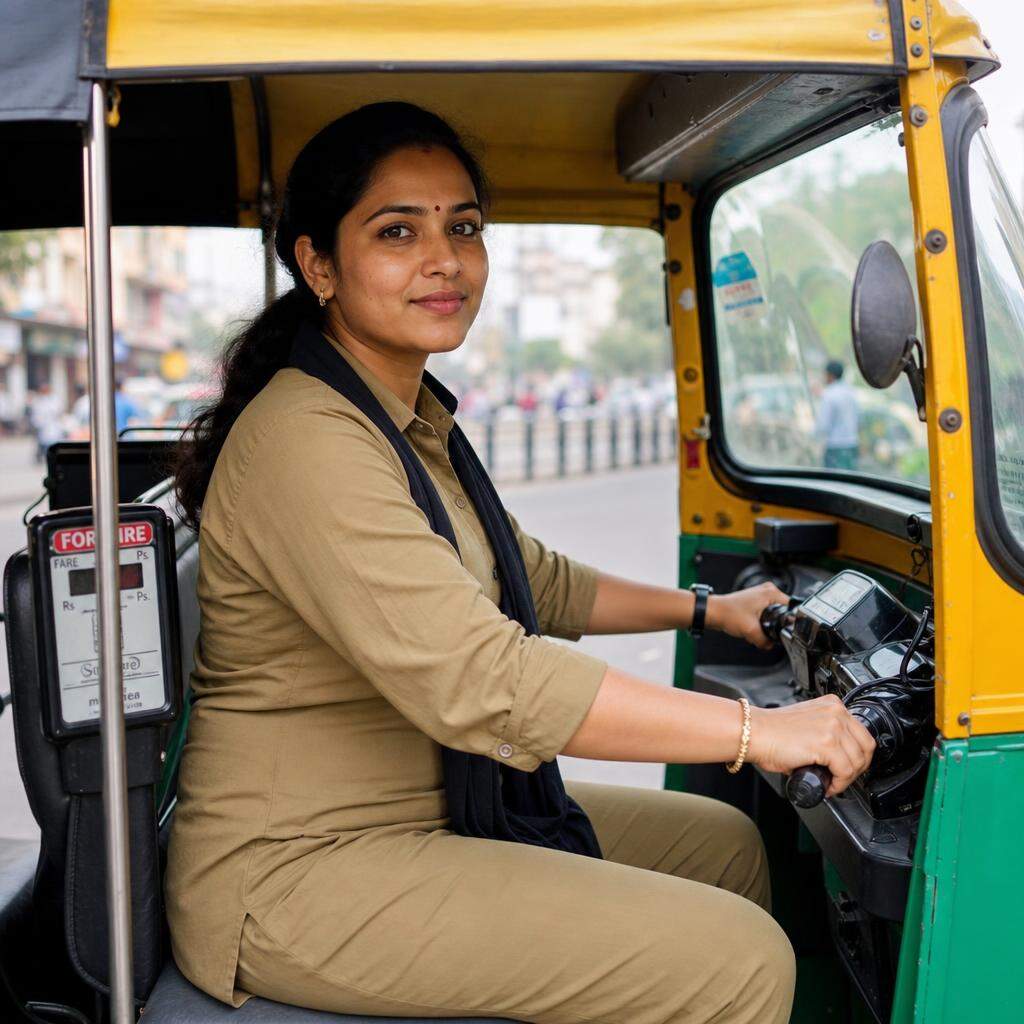
The Mumbai Metropolitan Region is set to identify non-congestion routes to facilitate the movement of e-rickshaws, particularly for women drivers. This initiative is part of a larger scheme to promote women's participation in the transportation sector.
According to the Minister, the plan is to create a network of routes that will enable e-rickshaws to operate efficiently without contributing to traffic congestion. The Minister emphasized the importance of providing women with opportunities for economic empowerment and mobility.
The women e-rickshaw scheme is aimed at providing a sustainable and environmentally friendly mode of transportation. The scheme also seeks to address the issue of last-mile connectivity in the Mumbai Metropolitan Region. By identifying non-congestion routes, the authorities hope to reduce travel time and increase the overall efficiency of the e-rickshaw service.
The Mumbai Metropolitan Region is one of the most populous urban agglomerations in the world, with a complex network of roads and transportation systems. The region is home to a large number of working women who rely on public transportation to commute to work. The women e-rickshaw scheme is expected to provide a safe and reliable mode of transportation for these women.
The identification of non-congestion routes is a crucial step in the implementation of the scheme. The authorities will conduct a thorough study of the traffic patterns and road network in the region to identify routes that are less prone to congestion. This will enable e-rickshaws to operate smoothly and efficiently, reducing travel time and increasing passenger satisfaction.
The women e-rickshaw scheme is also expected to generate employment opportunities for women in the region. The scheme will provide training and support to women who want to become e-rickshaw drivers, enabling them to earn a livelihood and gain financial independence.
In recent years, the Mumbai Metropolitan Region has witnessed a significant increase in traffic congestion, with many roads experiencing gridlocks during peak hours. The identification of non-congestion routes for e-rickshaws is a step in the right direction, as it will help reduce traffic congestion and promote sustainable transportation.
The success of the women e-rickshaw scheme will depend on the effective implementation of the plan, including the identification of non-congestion routes and the provision of training and support to women drivers. If successful, the scheme could serve as a model for other cities in India, promoting women's empowerment and sustainable transportation.
In conclusion, the identification of non-congestion routes for e-rickshaws in the Mumbai Metropolitan Region is a significant step towards promoting women's participation in the transportation sector and reducing traffic congestion. The scheme has the potential to generate employment opportunities for women and provide a safe and reliable mode of transportation for commuters.