Federer's Emotional Loss Sparks Rise to Greatness
Roger Federer's 2001 loss led to a mindset change. He then won Wimbledon and his first Grand Slam.
'%3E%3Crect%20width%3D'96'%20height%3D'96'%20fill%3D'%231B5E20'%2F%3E%3Ccircle%20cx%3D'30'%20cy%3D'24'%20r%3D'44'%20fill%3D'%23fff'%20opacity%3D'.12'%2F%3E%3Ccircle%20cx%3D'60'%20cy%3D'74'%20r%3D'40'%20fill%3D'%23000'%20opacity%3D'.10'%2F%3E%3C%2Fg%3E%3Cg%3E%3Ccircle%20cx%3D'48'%20cy%3D'48'%20r%3D'15'%20fill%3D'%23fff'%2F%3E%3Cpath%20d%3D'M43%2034%20Q50%2048%2043%2062'%20fill%3D'none'%20stroke%3D'%238a94a6'%20stroke-width%3D'2.4'%2F%3E%3Cpath%20d%3D'M47%2033%20Q54%2048%2047%2063'%20fill%3D'none'%20stroke%3D'%238a94a6'%20stroke-width%3D'1.8'%20stroke-dasharray%3D'1.5%203'%2F%3E%3C%2Fg%3E%3C%2Fsvg%3E)
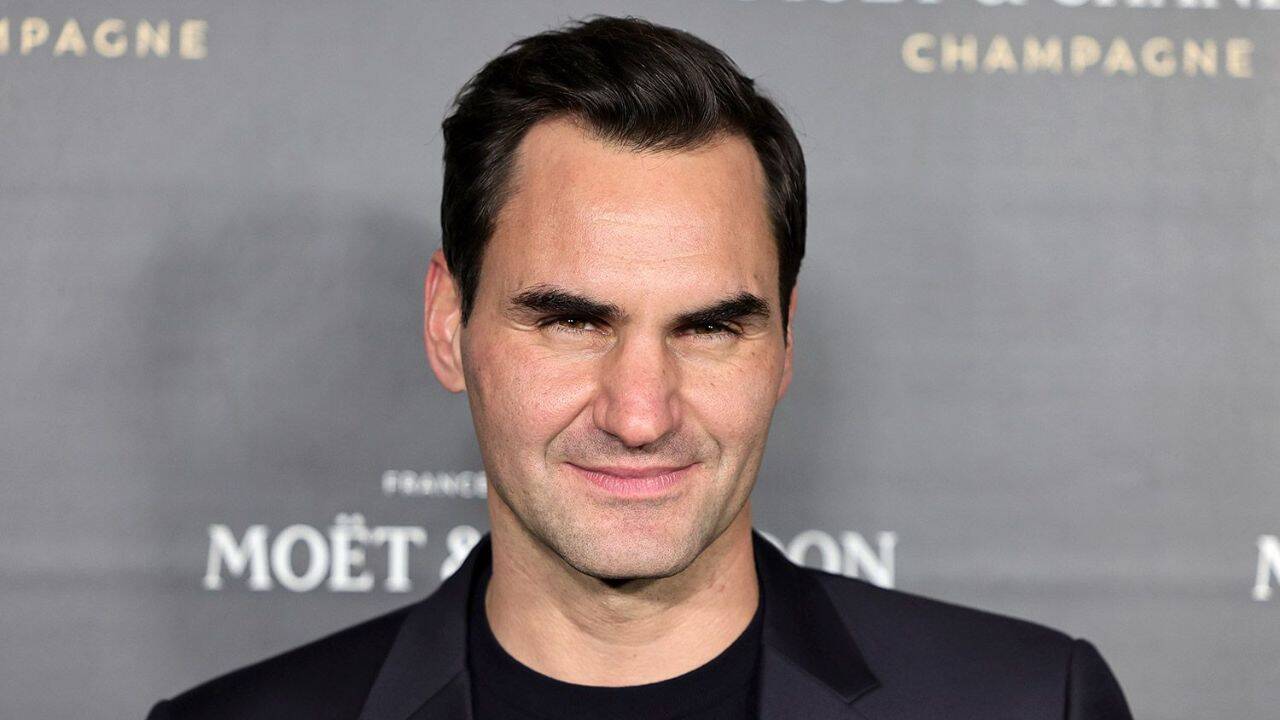
Roger Federer's devastating loss in Hamburg in 2001 marked a turning point in his career. This emotional setback prompted him to re-examine his approach to the game and work on mastering his emotions.
The young Swiss player realized that controlling his emotions was crucial to performing at his best. He dedicated himself to developing mental resilience, which would become a hallmark of his game.
Within weeks of his loss in Hamburg, Federer faced off against tennis legend Pete Sampras at Wimbledon. In a stunning upset, Federer emerged victorious, demonstrating his newfound calmness and composure under pressure.
This transformation proved to be a pivotal moment in Federer's career. His ability to regulate his emotions and maintain focus allowed him to perform at an elite level, even in the most intense moments.
Federer's first Grand Slam victory came in 2003, a testament to the power of his newfound mental toughness. His success was not solely due to his technical skill, but also his ability to manage his emotions and stay focused.
As Federer's career progressed, he continued to draw on the lessons he learned from his 2001 loss. He developed a reputation for being one of the most mentally resilient players in the game, able to perform at his best even in the face of adversity.
Federer's story serves as a reminder that setbacks and failures can be valuable learning experiences. By confronting and overcoming his emotional struggles, he was able to unlock his full potential and achieve greatness in the world of tennis.
The rise of Roger Federer to tennis greatness is a testament to the importance of mental resilience and emotional regulation in achieving success. His ability to master his emotions and stay focused under pressure allowed him to dominate the sport for years to come.
In the end, Federer's emotional loss in 2001 proved to be a blessing in disguise, sparking a journey of self-discovery and growth that would ultimately lead him to become one of the greatest tennis players of all time.
Frequently asked questions
What triggered Roger Federer's rise to greatness?
A heartbreaking loss in Hamburg in 2001 prompted Federer to work on mastering his emotions and develop mental resilience.
When did Roger Federer win his first Grand Slam?
Roger Federer won his first Grand Slam in 2003, a testament to his newfound mental toughness.