Supreme Court Denies Bail in Digital Arrest Cases
Digital arrest cases to have limited bail options. Exceptional grounds may apply.
'%3E%3Crect%20width%3D'96'%20height%3D'96'%20fill%3D'%231A5276'%2F%3E%3Ccircle%20cx%3D'30'%20cy%3D'24'%20r%3D'44'%20fill%3D'%23fff'%20opacity%3D'.12'%2F%3E%3Ccircle%20cx%3D'60'%20cy%3D'74'%20r%3D'40'%20fill%3D'%23000'%20opacity%3D'.10'%2F%3E%3C%2Fg%3E%3Cg%20fill%3D'%23fff'%3E%3Cpath%20d%3D'M31%2041%20L48%2031%20L65%2041%20Z'%2F%3E%3Crect%20x%3D'33'%20y%3D'43'%20width%3D'4'%20height%3D'17'%2F%3E%3Crect%20x%3D'41'%20y%3D'43'%20width%3D'4'%20height%3D'17'%2F%3E%3Crect%20x%3D'51'%20y%3D'43'%20width%3D'4'%20height%3D'17'%2F%3E%3Crect%20x%3D'59'%20y%3D'43'%20width%3D'4'%20height%3D'17'%2F%3E%3Crect%20x%3D'30'%20y%3D'62'%20width%3D'36'%20height%3D'4'%20rx%3D'1'%2F%3E%3C%2Fg%3E%3C%2Fsvg%3E)
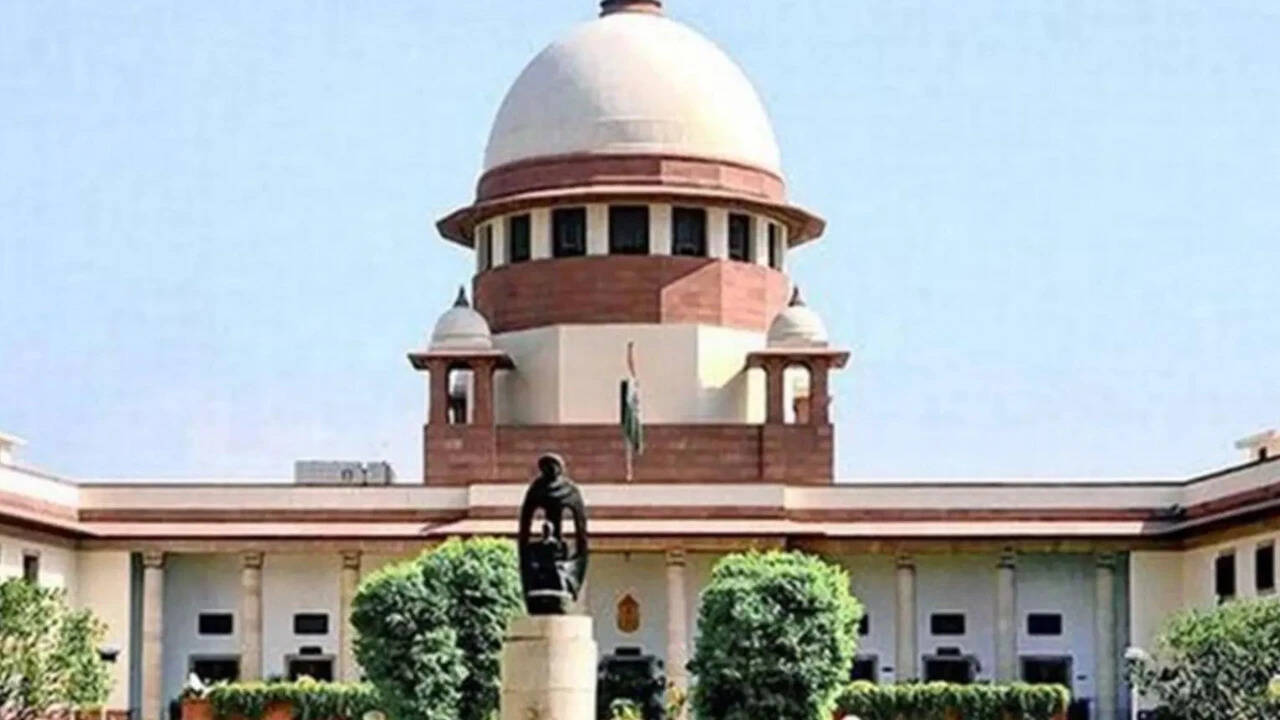
The Supreme Court has ruled that bail will not be granted in digital arrest cases, except in exceptional circumstances. This decision aims to establish a clear precedent for law enforcement agencies and the judiciary when dealing with digital crimes.
The court's judgment emphasizes the need for a cautious approach when considering bail in cases where digital evidence is involved. This is due to the potential for tampering with or destruction of digital evidence, which could compromise the investigation and subsequent trial.
In recent years, there has been a significant increase in digital crimes, including cyber fraud, online harassment, and data theft. The Supreme Court's decision acknowledges the complexities of investigating and prosecuting these types of crimes, where digital evidence plays a crucial role.
The ruling is expected to have implications for law enforcement agencies, which will need to ensure that they follow proper procedures when collecting and preserving digital evidence. The judiciary will also need to carefully consider the exceptional grounds for granting bail in digital arrest cases.
The Supreme Court's decision is seen as a measure to prevent the accused from interfering with the investigation or destroying digital evidence. However, it also raises concerns about the potential for misuse of power by law enforcement agencies and the need for safeguards to protect the rights of the accused.
The Indian legal system has been grappling with the challenges of dealing with digital crimes, and the Supreme Court's ruling is an attempt to provide clarity and guidance on the issue. The decision is likely to be closely watched by legal experts, law enforcement agencies, and civil liberties organizations.
In the context of the Indian justice system, the Supreme Court's ruling highlights the need for a balanced approach that takes into account the rights of the accused while also ensuring that the investigation and trial are fair and effective.
The implications of the Supreme Court's decision will be far-reaching, and it is likely to have a significant impact on the way digital arrest cases are handled in the future. As the Indian legal system continues to evolve and adapt to the challenges of the digital age, the Supreme Court's ruling is an important step towards establishing a clear and consistent approach to dealing with digital crimes.
The ruling is a significant development in the Indian justice system, and it will be important to monitor its implementation and impact in the coming months and years.
Frequently asked questions
What are the implications of the Supreme Court's ruling on digital arrest cases?
The ruling implies that bail will not be granted in digital arrest cases, except in exceptional circumstances, to prevent tampering with or destruction of digital evidence.
How will the Supreme Court's decision affect law enforcement agencies?
Law enforcement agencies will need to ensure that they follow proper procedures when collecting and preserving digital evidence, and the judiciary will need to carefully consider exceptional grounds for granting bail.