Plea Seeks Force-Feeding of Fasting Sonam Wangchuk
Sonam Wangchuk's health deteriorates, plea filed for intervention. He has lost 8.5kg.
'%3E%3Crect%20width%3D'96'%20height%3D'96'%20fill%3D'%23B3261E'%2F%3E%3Ccircle%20cx%3D'30'%20cy%3D'24'%20r%3D'44'%20fill%3D'%23fff'%20opacity%3D'.12'%2F%3E%3Ccircle%20cx%3D'60'%20cy%3D'74'%20r%3D'40'%20fill%3D'%23000'%20opacity%3D'.10'%2F%3E%3C%2Fg%3E%3Cg%20fill%3D'%23fff'%3E%3Crect%20x%3D'29'%20y%3D'49'%20width%3D'8'%20height%3D'19'%20rx%3D'1'%2F%3E%3Crect%20x%3D'39'%20y%3D'40'%20width%3D'9'%20height%3D'28'%20rx%3D'1'%2F%3E%3Crect%20x%3D'50'%20y%3D'45'%20width%3D'8'%20height%3D'23'%20rx%3D'1'%2F%3E%3Crect%20x%3D'60'%20y%3D'53'%20width%3D'7'%20height%3D'15'%20rx%3D'1'%2F%3E%3Crect%20x%3D'41'%20y%3D'34'%20width%3D'5'%20height%3D'6'%2F%3E%3C%2Fg%3E%3C%2Fsvg%3E)
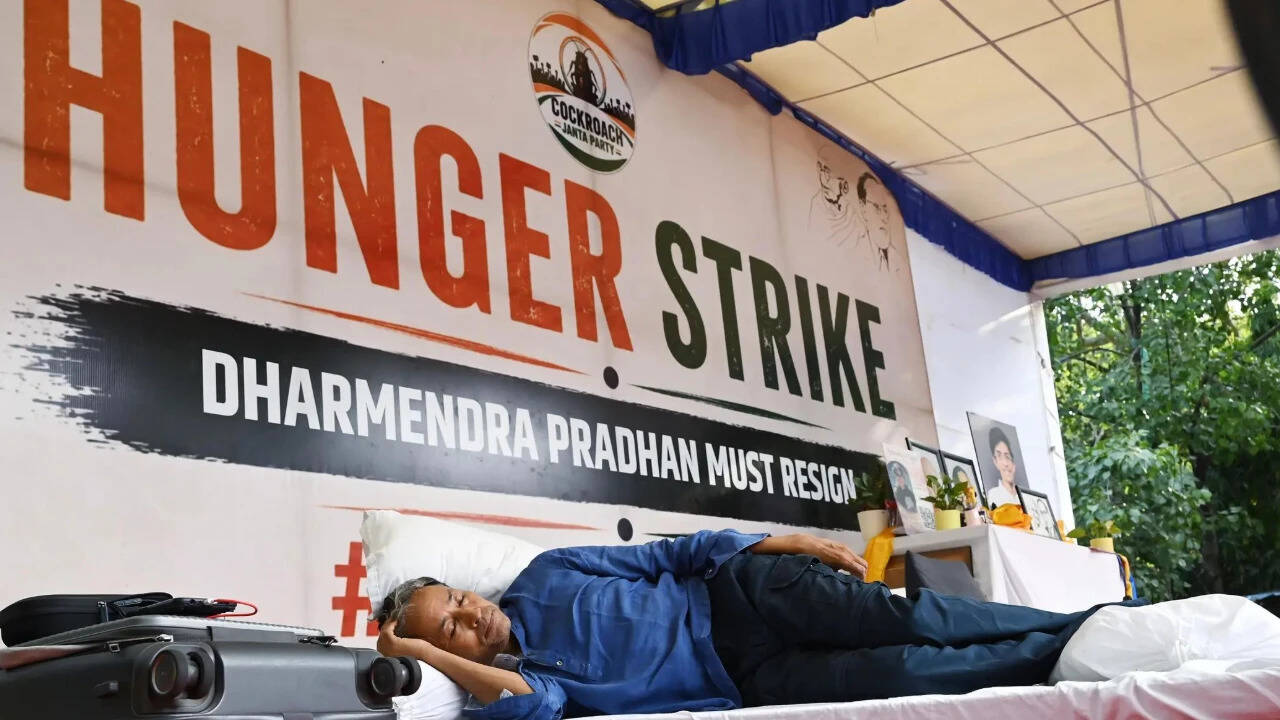
A plea has been filed seeking intervention in the case of Sonam Wangchuk, who has been on a fast and has lost 8.5kg. The plea expresses concern over Wangchuk's deteriorating health, stating that he may die in two days if not provided with medical attention and nutrition.
The plea urges authorities to take immediate action to ensure Wangchuk's health and well-being. It suggests force-feeding as an option to save his life. The petitioners are worried that if Wangchuk's fast continues, it may lead to severe health complications or even death.
Sonam Wangchuk is a well-known education reformer and innovator from Ladakh. He has been on a fast to draw attention to certain issues affecting the region. However, his health has been deteriorating rapidly, prompting concerns among his supporters and well-wishers.
The plea highlights the importance of saving Wangchuk's life, citing his contributions to education and social reform. It also emphasizes the need for authorities to balance Wangchuk's right to protest with the need to protect his health and well-being.
The situation has sparked a debate about the limits of peaceful protest and the responsibility of authorities to protect the health and safety of protesters. While some argue that Wangchuk's fast is a legitimate form of protest, others believe that authorities have a duty to intervene to prevent harm to his health.
As the situation unfolds, there are growing concerns about Wangchuk's health and the potential consequences of his fast. The plea seeking force-feeding is seen as a last resort to save his life, and authorities are under pressure to respond to the situation.
In recent years, India has seen several instances of protesters using fasting as a form of protest. While the tactic can be effective in drawing attention to a cause, it also poses significant risks to the health and well-being of the protester.
The Indian government has a responsibility to balance the right to peaceful protest with the need to protect the health and safety of protesters. In this case, the plea seeking force-feeding highlights the challenges authorities face in responding to Wangchuk's fast.
As the situation continues to unfold, it remains to be seen how authorities will respond to the plea and what measures they will take to protect Wangchuk's health and well-being. The case has sparked a wider debate about the limits of peaceful protest and the responsibility of authorities to protect the health and safety of protesters.
In conclusion, the plea seeking force-feeding of Sonam Wangchuk highlights the challenges and complexities of responding to peaceful protests. While authorities must balance the right to protest with the need to protect health and safety, they must also be mindful of the potential consequences of their actions. The situation serves as a reminder of the importance of protecting the health and well-being of protesters, while also respecting their right to peaceful protest.
The case of Sonam Wangchuk has significant implications for India, as it raises important questions about the limits of peaceful protest and the responsibility of authorities to protect the health and safety of protesters. As the country continues to grapple with these issues, it is essential to find a balance between respecting the right to protest and protecting the well-being of protesters.