Nepal Floods Raise Concerns Over China's Tibet Dam Projects
Nepal floods spark concerns over China's dam projects, downstream risks in India and Bangladesh
'%3E%3Crect%20width%3D'96'%20height%3D'96'%20fill%3D'%234A235A'%2F%3E%3Ccircle%20cx%3D'30'%20cy%3D'24'%20r%3D'44'%20fill%3D'%23fff'%20opacity%3D'.12'%2F%3E%3Ccircle%20cx%3D'60'%20cy%3D'74'%20r%3D'40'%20fill%3D'%23000'%20opacity%3D'.10'%2F%3E%3C%2Fg%3E%3Cg%20fill%3D'none'%20stroke%3D'%23fff'%20stroke-width%3D'3'%3E%3Ccircle%20cx%3D'48'%20cy%3D'48'%20r%3D'16'%2F%3E%3Cellipse%20cx%3D'48'%20cy%3D'48'%20rx%3D'6.5'%20ry%3D'16'%2F%3E%3Cline%20x1%3D'32'%20y1%3D'42'%20x2%3D'64'%20y2%3D'42'%2F%3E%3Cline%20x1%3D'32'%20y1%3D'54'%20x2%3D'64'%20y2%3D'54'%2F%3E%3C%2Fg%3E%3C%2Fsvg%3E)
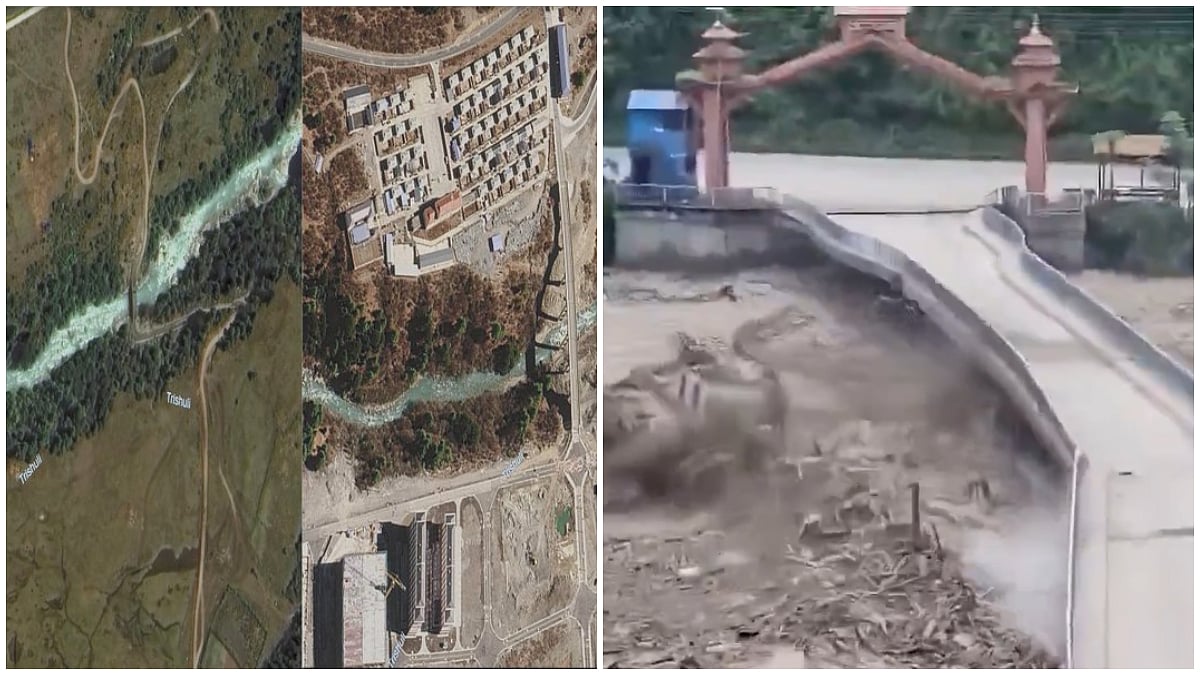
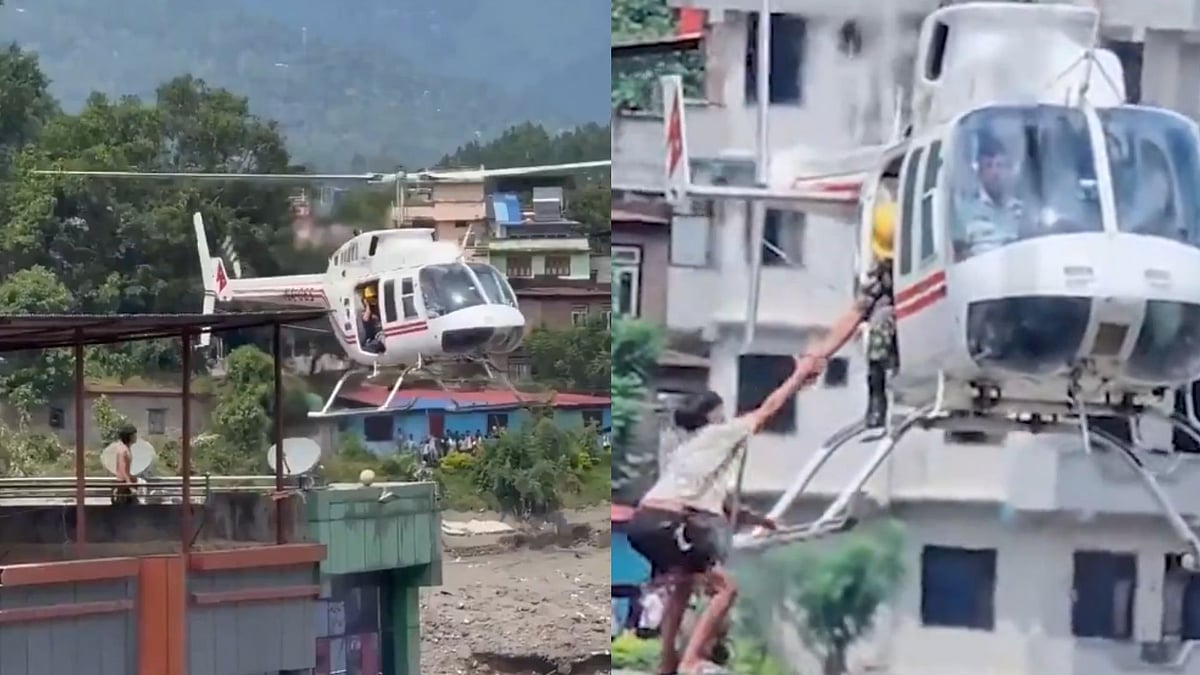
Widespread death and destruction were reported from Nepal on August 26 as flash floods in the Bhote Koshi River, originating from Tibet, inundated many areas in districts north of capital Kathmandu. The floods have raised fresh concerns over China's aggressive dam-building programme in Tibet and downstream regions.
The Bhote Koshi River, which originates from Tibet, has been swelling dangerously, sweeping away bridges, damaging hydropower plants, and inundating villages in Nepal. Similarly, the Kosi River in India, known as the 'Sorrow of Bihar', is also swelling, threatening millions of lives and livelihoods. The Brahmaputra River, which flows through Tibet and India, has also overflowed its banks, killing at least 50 people and displacing some seven lakh people in Assam.
China has already built several large dams in Tibet, including the Zangmu Dam on the Yarlung Tsangpo, completed in 2015, and the Jiexu and Jiacha dams. These dams are part of a broader hydropower push to harness rivers for energy security. However, Beijing's plans for a super dam at Medog County, near the Great Bend of the Yarlung Tsangpo, have raised serious concerns about seismic safety and flood management.
The Medog Dam project, which is estimated to cost around $148 billion, could generate three times the power of the Three Gorges Dam. However, its scale raises concerns about the potential risks to downstream regions in India and Bangladesh. The dam would be the world's largest hydropower project, with a proposed capacity of 60,000 MW.
Studies have revealed that the Medog Dam project is as much about geopolitics and frontier consolidation as it is about energy security. The project's risks may outweigh its promised benefits, and the potential consequences of a sudden release or failure could be devastating for downstream regions. The dam site is also located in one of the world's most seismically active zones, which adds to the concerns about its safety.
The Medog Dam has been studied extensively by international think-tanks, research centres, and Chinese scientists themselves. These studies have highlighted the potential risks and consequences of the project, including altered sediment flows that could threaten agriculture and ecosystems across the Gangetic plains.
The concerns over China's dam projects in Tibet are not new, but the recent floods in Nepal have brought the issue back into focus. The Indian government has been monitoring the situation closely, and there are concerns about the potential impact of the Medog Dam on the country's water security and ecosystems.
In conclusion, the Nepal floods have raised fresh concerns over China's Tibet dam projects, and the potential risks to downstream regions in India and Bangladesh. The Medog Dam project, in particular, has raised serious concerns about seismic safety and flood management, and its potential consequences could be devastating for the region.
The situation highlights the need for closer cooperation and dialogue between China, India, and Bangladesh on issues related to water security and dam safety. It also underscores the importance of considering the potential risks and consequences of large-scale infrastructure projects, and the need for careful planning and management to mitigate their impact.
As the region continues to grapple with the challenges of water security and dam safety, it is essential to prioritize the needs and concerns of local communities and ecosystems. The Medog Dam project is a complex issue that requires careful consideration and planning, and it is essential to ensure that the project is designed and implemented in a way that minimizes its risks and maximizes its benefits.
The recent floods in Nepal are a stark reminder of the importance of addressing the concerns over China's dam projects in Tibet. The Indian government and other stakeholders must work together to ensure that the Medog Dam project is designed and implemented in a way that prioritizes the needs and concerns of local communities and ecosystems.
The issue of dam safety and water security is a critical one, and it requires careful attention and planning. The Medog Dam project is a complex issue that requires a comprehensive and nuanced approach, and it is essential to ensure that the project is designed and implemented in a way that minimizes its risks and maximizes its benefits.
In the end, the Medog Dam project is a reminder of the importance of prioritizing the needs and concerns of local communities and ecosystems. The project's potential risks and consequences must be carefully considered and mitigated, and it is essential to ensure that the project is designed and implemented in a way that prioritizes the needs and concerns of local communities and ecosystems.
Frequently asked questions
What is the Medog Dam project and how much will it cost?
The Medog Dam project is a proposed hydropower project in Tibet that could generate 60,000 MW of power and is estimated to cost around $148 billion.
What are the potential risks and consequences of the Medog Dam project?
The Medog Dam project poses risks to downstream regions in India and Bangladesh, including altered sediment flows that could threaten agriculture and ecosystems across the Gangetic plains.