Karnataka Mandates 2 Vande Mataram Stanzas
Karnataka government issues new rule, only 2 stanzas to be sung at state events. Vande Mataram to be sung with reduced stanzas.
'%3E%3Crect%20width%3D'96'%20height%3D'96'%20fill%3D'%231A5276'%2F%3E%3Ccircle%20cx%3D'30'%20cy%3D'24'%20r%3D'44'%20fill%3D'%23fff'%20opacity%3D'.12'%2F%3E%3Ccircle%20cx%3D'60'%20cy%3D'74'%20r%3D'40'%20fill%3D'%23000'%20opacity%3D'.10'%2F%3E%3C%2Fg%3E%3Cg%20fill%3D'%23fff'%3E%3Cpath%20d%3D'M31%2041%20L48%2031%20L65%2041%20Z'%2F%3E%3Crect%20x%3D'33'%20y%3D'43'%20width%3D'4'%20height%3D'17'%2F%3E%3Crect%20x%3D'41'%20y%3D'43'%20width%3D'4'%20height%3D'17'%2F%3E%3Crect%20x%3D'51'%20y%3D'43'%20width%3D'4'%20height%3D'17'%2F%3E%3Crect%20x%3D'59'%20y%3D'43'%20width%3D'4'%20height%3D'17'%2F%3E%3Crect%20x%3D'30'%20y%3D'62'%20width%3D'36'%20height%3D'4'%20rx%3D'1'%2F%3E%3C%2Fg%3E%3C%2Fsvg%3E)
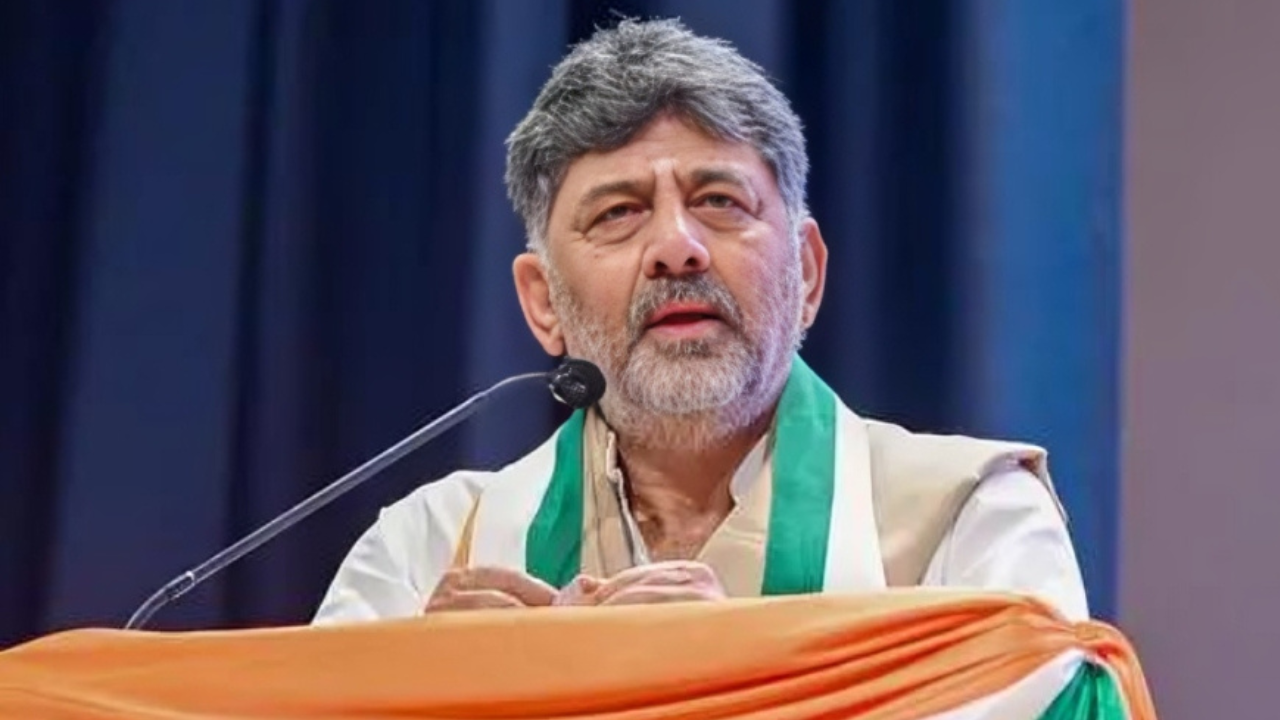
The Karnataka government has announced a new rule, mandating that only two stanzas of the national song Vande Mataram be sung at state events. This decision has been made to ensure that the song is sung with respect and dignity, while also reducing the time taken to sing the full version.
The government has stated that the two stanzas that will be sung are the first and second stanzas of the song, which are considered to be the most important and meaningful. The decision to reduce the number of stanzas has been taken after considering the time constraint and the need to ensure that the song is sung with respect and dignity.
The national song Vande Mataram, written by Bankim Chandra Chattopadhyay, has been an integral part of Indian culture and history. The song has been sung on various occasions, including national events and state functions. However, the full version of the song has five stanzas, which can take a significant amount of time to sing.
The Karnataka government's decision to mandate only two stanzas of the song is seen as a move to strike a balance between respecting the national song and ensuring that state events are conducted efficiently. The government has stated that the decision will be implemented with immediate effect and will be applicable to all state events.
The decision has been welcomed by some, who see it as a practical move to reduce the time taken to sing the song. However, others have expressed disappointment, stating that the full version of the song should be sung to show respect to the national song.
In recent years, there has been a growing debate about the singing of Vande Mataram, with some states making it mandatory to sing the song at state events. The Karnataka government's decision is seen as a significant move in this regard, as it seeks to balance the need to respect the national song with the need to conduct state events efficiently.
The decision is also seen as a reflection of the government's efforts to promote patriotism and national pride. The government has stated that the singing of Vande Mataram is an important aspect of promoting national pride and unity, and that the decision to mandate only two stanzas is a move to ensure that the song is sung with respect and dignity.
In conclusion, the Karnataka government's decision to mandate only two stanzas of Vande Mataram at state events is a significant move that reflects the government's efforts to balance respect for the national song with the need to conduct state events efficiently. The decision is seen as a practical move to reduce the time taken to sing the song, while also promoting national pride and unity.
The implications of this decision will be closely watched, as it may set a precedent for other states to follow. The decision may also spark a debate about the singing of Vande Mataram, with some arguing that the full version of the song should be sung, while others see it as a practical move to reduce the time taken to sing the song.
Overall, the Karnataka government's decision to mandate only two stanzas of Vande Mataram at state events is a significant move that reflects the government's efforts to promote national pride and unity, while also ensuring that state events are conducted efficiently.
The decision will be implemented with immediate effect, and it will be interesting to see how it is received by the public. The government has stated that the decision is a move to ensure that the national song is sung with respect and dignity, and that it will promote national pride and unity.
In the context of Indian culture and history, the decision to mandate only two stanzas of Vande Mataram is significant. The song has been an integral part of Indian culture and history, and its singing is seen as a way to promote national pride and unity. The decision to reduce the number of stanzas may be seen as a move to make the song more accessible and easier to sing, while also promoting national pride and unity.
The Karnataka government's decision is a reflection of the government's efforts to promote patriotism and national pride. The government has stated that the singing of Vande Mataram is an important aspect of promoting national pride and unity, and that the decision to mandate only two stanzas is a move to ensure that the song is sung with respect and dignity.
In the end, the decision to mandate only two stanzas of Vande Mataram at state events is a significant move that reflects the government's efforts to balance respect for the national song with the need to conduct state events efficiently. The decision may spark a debate about the singing of Vande Mataram, but it is seen as a practical move to reduce the time taken to sing the song, while also promoting national pride and unity.
The decision will have implications for the singing of Vande Mataram at state events, and it may set a precedent for other states to follow. The government has stated that the decision is a move to ensure that the national song is sung with respect and dignity, and that it will promote national pride and unity.
The Karnataka government's decision to mandate only two stanzas of Vande Mataram at state events is a significant move that reflects the government's efforts to promote national pride and unity, while also ensuring that state events are conducted efficiently. The decision may spark a debate about the singing of Vande Mataram, but it is seen as a practical move to reduce the time taken to sing the song, while also promoting national pride and unity.
For Mumbai residents, this decision may not have a direct impact, but it reflects the growing debate about the singing of Vande Mataram at state events. The decision may spark a discussion about the importance of singing the national song, and how it can be done in a way that promotes national pride and unity.
In conclusion, the Karnataka government's decision to mandate only two stanzas of Vande Mataram at state events is a significant move that reflects the government's efforts to balance respect for the national song with the need to conduct state events efficiently. The decision may spark a debate about the singing of Vande Mataram, but it is seen as a practical move to reduce the time taken to sing the song, while also promoting national pride and unity.
What it means for India is that the decision may set a precedent for other states to follow, and it may spark a debate about the singing of Vande Mataram at state events. The decision reflects the government's efforts to promote national pride and unity, while also ensuring that state events are conducted efficiently.
The decision may also have implications for the way Vande Mataram is sung at state events, and it may lead to a discussion about the importance of singing the national song. For Mumbai residents, the decision may not have a direct impact, but it reflects the growing debate about the singing of Vande Mataram at state events.
In the end, the Karnataka government's decision to mandate only two stanzas of Vande Mataram at state events is a significant move that reflects the government's efforts to promote national pride and unity, while also ensuring that state events are conducted efficiently. The decision may spark a debate about the singing of Vande Mataram, but it is seen as a practical move to reduce the time taken to sing the song, while also promoting national pride and unity.
Frequently asked questions
Why did Karnataka government reduce Vande Mataram stanzas?
To ensure the song is sung with respect and dignity, and to reduce the time taken to sing the full version.
How many stanzas of Vande Mataram will be sung at state events?
Only two stanzas, the first and second, will be sung at state events.