Apple Sues OpenAI Over Trade Secret Theft
Apple accuses OpenAI of corporate espionage, alleges stolen laptops and trade secrets.
'%3E%3Crect%20width%3D'96'%20height%3D'96'%20fill%3D'%23B3261E'%2F%3E%3Ccircle%20cx%3D'30'%20cy%3D'24'%20r%3D'44'%20fill%3D'%23fff'%20opacity%3D'.12'%2F%3E%3Ccircle%20cx%3D'60'%20cy%3D'74'%20r%3D'40'%20fill%3D'%23000'%20opacity%3D'.10'%2F%3E%3C%2Fg%3E%3Cg%20fill%3D'%23fff'%3E%3Crect%20x%3D'29'%20y%3D'49'%20width%3D'8'%20height%3D'19'%20rx%3D'1'%2F%3E%3Crect%20x%3D'39'%20y%3D'40'%20width%3D'9'%20height%3D'28'%20rx%3D'1'%2F%3E%3Crect%20x%3D'50'%20y%3D'45'%20width%3D'8'%20height%3D'23'%20rx%3D'1'%2F%3E%3Crect%20x%3D'60'%20y%3D'53'%20width%3D'7'%20height%3D'15'%20rx%3D'1'%2F%3E%3Crect%20x%3D'41'%20y%3D'34'%20width%3D'5'%20height%3D'6'%2F%3E%3C%2Fg%3E%3C%2Fsvg%3E)
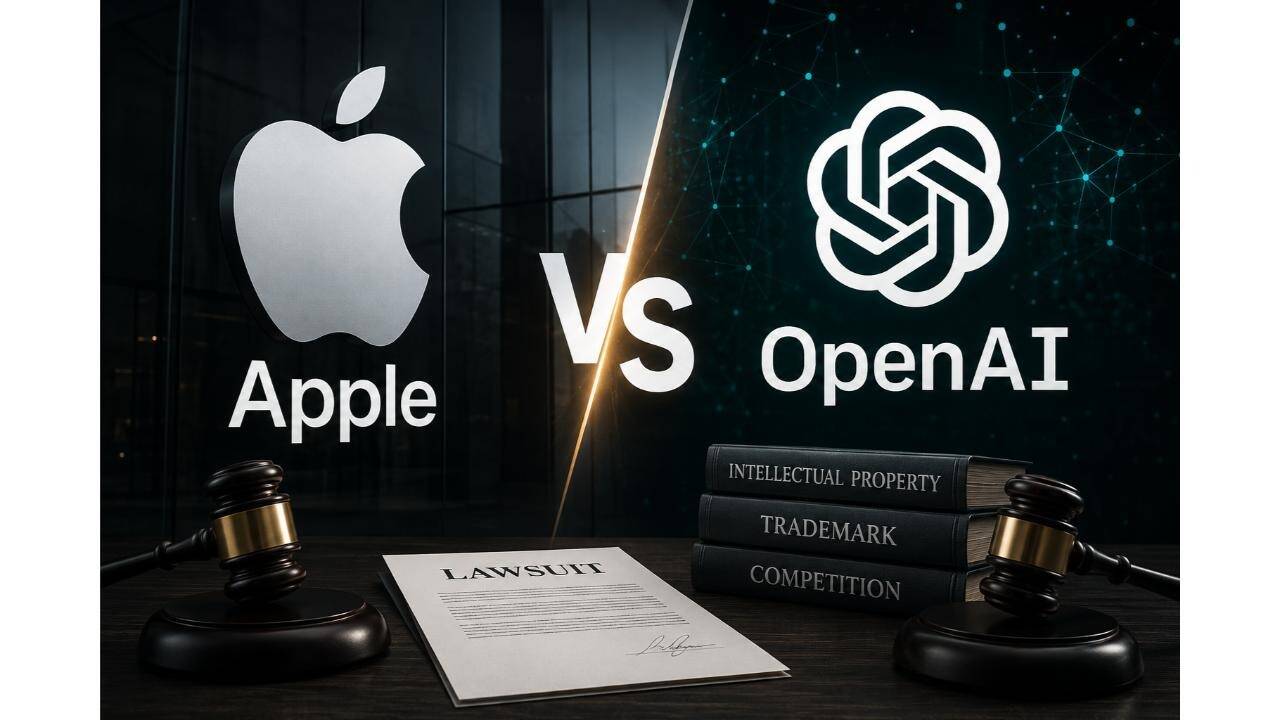
Apple has filed a lawsuit against OpenAI, accusing the company of corporate espionage and the theft of trade secrets. The lawsuit alleges that former Apple employees stole confidential product designs and proprietary information, which were then used by OpenAI.
The lawsuit claims that one former Apple engineer exploited a bug to access Apple's internal network storage, allowing them to steal sensitive information. Another former Apple executive is accused of coaching candidates to bring proprietary designs and supplier details to OpenAI.
OpenAI has responded to the allegations, stating that it has no interest in other companies' trade secrets. The company claims that it is committed to innovation and does not need to resort to stealing from others.
The lawsuit is the latest in a series of high-profile cases involving the theft of trade secrets in the tech industry. Apple is known for its secretive culture and has taken steps in the past to protect its intellectual property.
The alleged theft of trade secrets is a serious issue, as it can give companies an unfair competitive advantage. Apple is seeking damages and an injunction to prevent OpenAI from using the stolen information.
The case highlights the importance of protecting intellectual property in the tech industry. Companies like Apple invest heavily in research and development, and the theft of trade secrets can undermine their competitive advantage.
The lawsuit also raises questions about the culture of OpenAI and its willingness to respect the intellectual property of other companies. OpenAI has made significant advancements in the field of artificial intelligence, but the allegations of corporate espionage raise concerns about its business practices.
In recent years, there have been several high-profile cases of trade secret theft in the tech industry. The case against OpenAI is a reminder that companies must take steps to protect their intellectual property and that the theft of trade secrets will not be tolerated.
The outcome of the lawsuit is uncertain, but it is clear that Apple is taking the allegations seriously. The company is committed to protecting its intellectual property and will take all necessary steps to prevent the theft of trade secrets.
The case has significant implications for the tech industry, as it highlights the importance of respecting intellectual property and the consequences of corporate espionage. As the industry continues to evolve, it is essential that companies prioritize the protection of trade secrets and respect the intellectual property of others.
In conclusion, the lawsuit against OpenAI is a significant development in the tech industry, highlighting the importance of protecting intellectual property and the consequences of corporate espionage. Apple's commitment to protecting its trade secrets is a reminder that companies must take steps to safeguard their competitive advantage and respect the intellectual property of others.