Haldwani Incident Sparks Debate On Purification Ceremony
Purification ceremony at Haldwani sparks debate, alleged caste prejudice, and constitutional concerns.
'%3E%3Crect%20width%3D'96'%20height%3D'96'%20fill%3D'%231A5276'%2F%3E%3Ccircle%20cx%3D'30'%20cy%3D'24'%20r%3D'44'%20fill%3D'%23fff'%20opacity%3D'.12'%2F%3E%3Ccircle%20cx%3D'60'%20cy%3D'74'%20r%3D'40'%20fill%3D'%23000'%20opacity%3D'.10'%2F%3E%3C%2Fg%3E%3Cg%20fill%3D'%23fff'%3E%3Cpath%20d%3D'M31%2041%20L48%2031%20L65%2041%20Z'%2F%3E%3Crect%20x%3D'33'%20y%3D'43'%20width%3D'4'%20height%3D'17'%2F%3E%3Crect%20x%3D'41'%20y%3D'43'%20width%3D'4'%20height%3D'17'%2F%3E%3Crect%20x%3D'51'%20y%3D'43'%20width%3D'4'%20height%3D'17'%2F%3E%3Crect%20x%3D'59'%20y%3D'43'%20width%3D'4'%20height%3D'17'%2F%3E%3Crect%20x%3D'30'%20y%3D'62'%20width%3D'36'%20height%3D'4'%20rx%3D'1'%2F%3E%3C%2Fg%3E%3C%2Fsvg%3E)
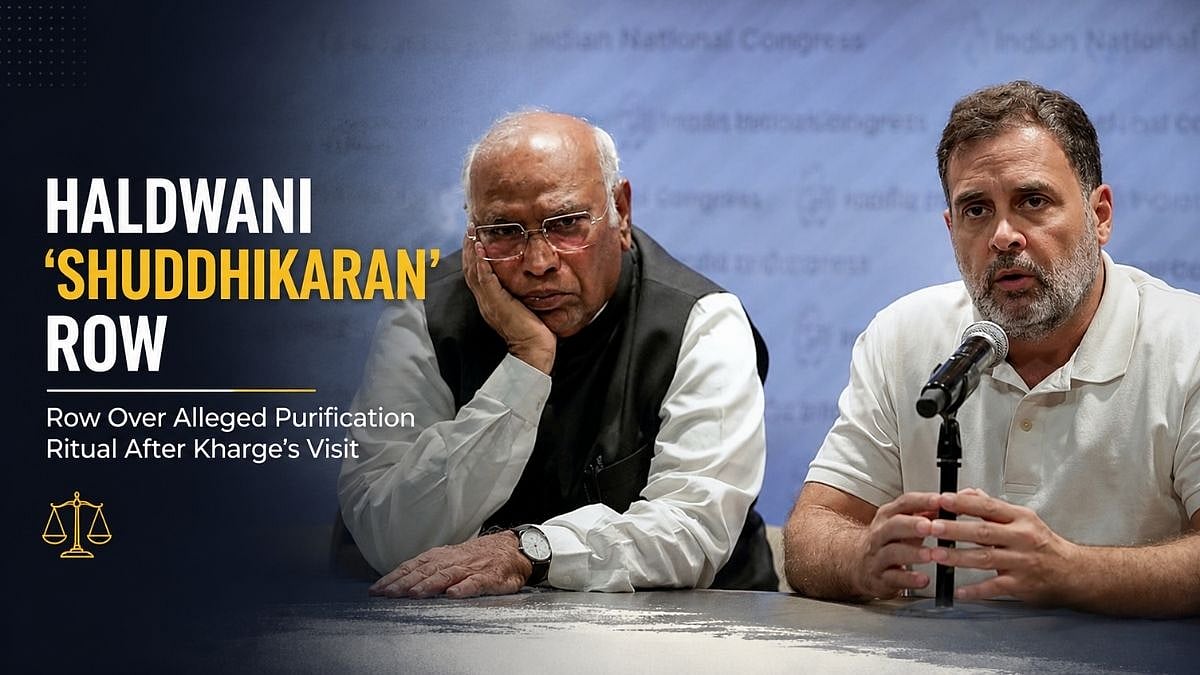
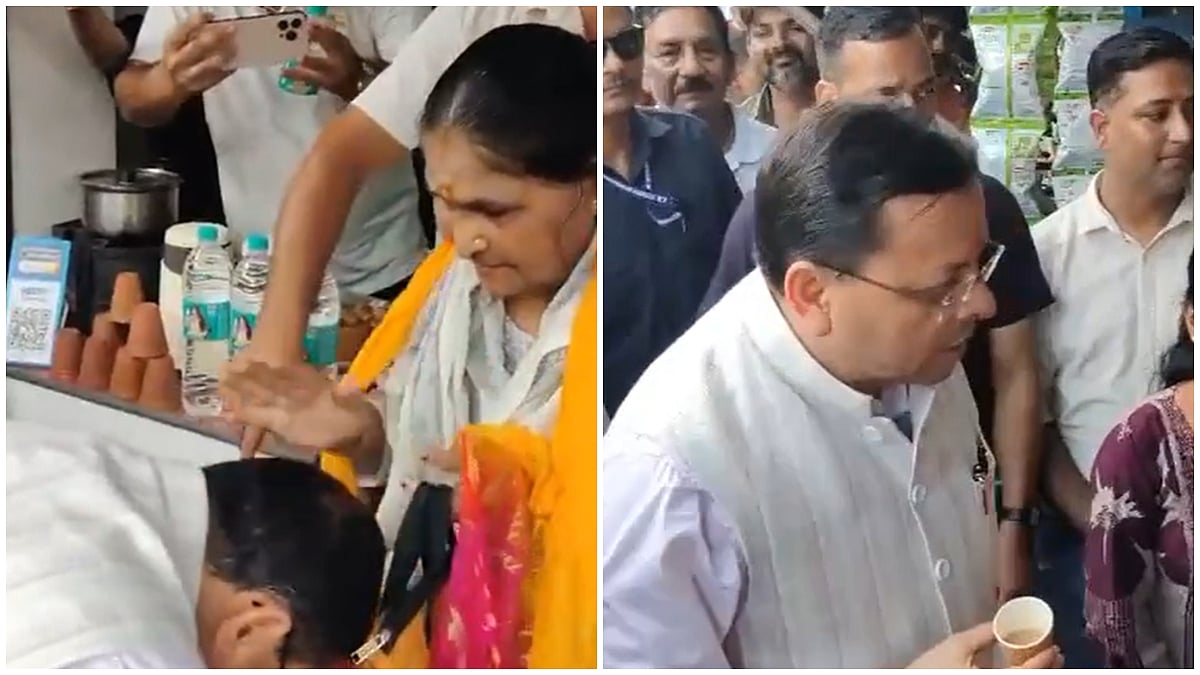
The recent incident at Haldwani, where a purification ceremony was allegedly performed after a Dalit leader spoke at a venue, has sparked a heated debate about the distinction between cleaning and purification.
Purification is not just about removing dirt or waste, but it carries a deeper meaning that is often associated with caste and religious prejudices. In India, there is a long history of treating certain individuals or groups as polluting, and this mindset is still prevalent today.
The incident at Haldwani is not an isolated event, but rather a symptom of a larger problem. There have been several instances in the past where purification ceremonies have been performed after individuals from certain castes or religions have visited a particular place. For example, Jagjivan Ram, a former minister, was once told that a place where he had spoken was subsequently purified.
The battle against caste prejudice is far from over, and incidents like the one at Haldwani highlight the need for continued efforts to eradicate this mindset. The Temple Entry Proclamation of 1936 in Kerala was a significant step towards ending untouchability, but it is clear that there is still much work to be done.
The response of the authorities to the Haldwani incident has been disturbing, with an FIR reportedly being registered against Rahul Gandhi for protesting against the purification ceremony. This inversion of accountability is becoming increasingly common, where those who protest against discrimination or prejudice are often targeted instead of those who perpetrate it.
The facts of the Haldwani incident need to be established, and if it is found that the purification ceremony was indeed performed because of the caste of the speaker, then it is a clear affront to the Constitution. The country needs accountability, not purification of the facts.
In conclusion, the Haldwani incident has highlighted the need for a nuanced understanding of the distinction between cleaning and purification. It is not just about removing dirt or waste, but about challenging the deep-seated prejudices that still exist in our society.
The incident has also raised important questions about the role of the authorities in addressing these issues. Instead of targeting those who protest against discrimination, the authorities should be working to eradicate the mindset that perpetuates it.
Ultimately, the Haldwani incident is a reminder that the battle against caste prejudice is ongoing, and it requires the collective efforts of all citizens to create a more just and equitable society.
The country needs to come together to challenge these prejudices and to create a society where everyone is treated with dignity and respect, regardless of their caste or religion.
It is only through such efforts that we can create a truly inclusive and equitable society, where everyone has the opportunity to thrive and reach their full potential.
The Haldwani incident is a wake-up call for all of us to re-examine our values and to work towards creating a society that is free from prejudice and discrimination.
In order to achieve this, we need to have an open and honest conversation about the issues that exist in our society, and to work together to find solutions that promote equality and justice for all.
By doing so, we can create a brighter future for ourselves and for generations to come, where everyone is treated with dignity and respect, and where everyone has the opportunity to thrive and reach their full potential.
Frequently asked questions
What is the difference between cleaning and purification?
Cleaning is about removing dirt or waste, while purification carries a deeper meaning associated with caste and religious prejudices.
What is the significance of the Haldwani incident?
The incident highlights the ongoing battle against caste prejudice and the need for accountability in addressing these issues.