Mumbai Sees 535% Jump in High-Risk Malaria Cases
Malaria cases surge, high-risk strain on the rise
'%3E%3Crect%20width%3D'96'%20height%3D'96'%20fill%3D'%23B3261E'%2F%3E%3Ccircle%20cx%3D'30'%20cy%3D'24'%20r%3D'44'%20fill%3D'%23fff'%20opacity%3D'.12'%2F%3E%3Ccircle%20cx%3D'60'%20cy%3D'74'%20r%3D'40'%20fill%3D'%23000'%20opacity%3D'.10'%2F%3E%3C%2Fg%3E%3Cg%20fill%3D'%23fff'%3E%3Crect%20x%3D'29'%20y%3D'49'%20width%3D'8'%20height%3D'19'%20rx%3D'1'%2F%3E%3Crect%20x%3D'39'%20y%3D'40'%20width%3D'9'%20height%3D'28'%20rx%3D'1'%2F%3E%3Crect%20x%3D'50'%20y%3D'45'%20width%3D'8'%20height%3D'23'%20rx%3D'1'%2F%3E%3Crect%20x%3D'60'%20y%3D'53'%20width%3D'7'%20height%3D'15'%20rx%3D'1'%2F%3E%3Crect%20x%3D'41'%20y%3D'34'%20width%3D'5'%20height%3D'6'%2F%3E%3C%2Fg%3E%3C%2Fsvg%3E)
Mumbai has witnessed a significant increase in cases of a high-risk malaria strain over the past decade, with a 535% jump in reported cases. As of the latest data, the number of cases has risen to 2,382.
This alarming trend has raised concerns among health officials and experts, who are working to combat the spread of the disease. The high-risk strain of malaria is particularly dangerous, as it can lead to severe illness and even death if left untreated.
According to experts, the main reason for the increase in malaria cases is the growing population of mosquitoes that carry the disease. The city's rapid urbanization and lack of effective waste management have created an ideal breeding ground for these mosquitoes.
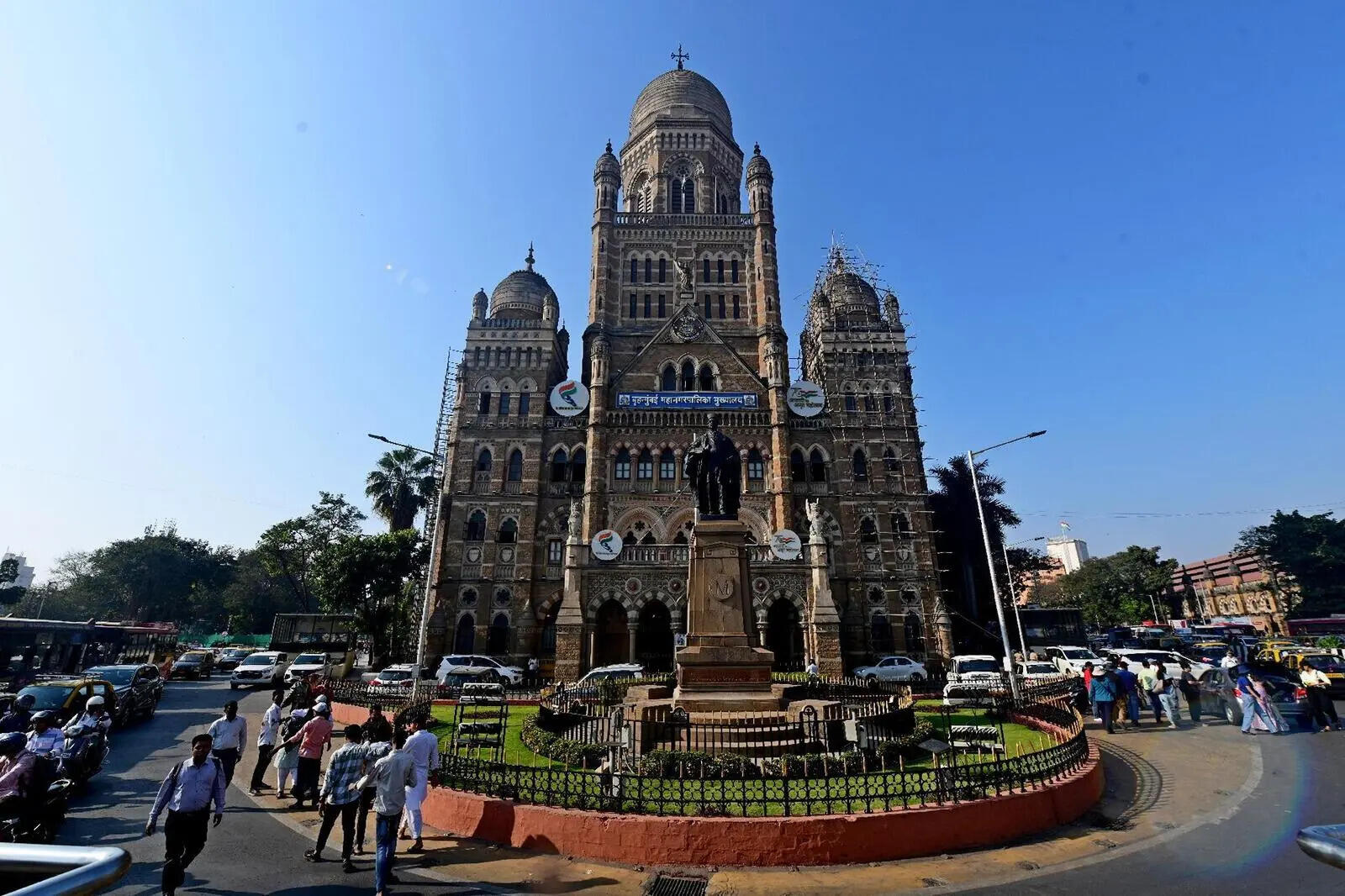
The Brihanmumbai Municipal Corporation (BMC) has been taking steps to control the spread of malaria, including conducting regular fogging operations and distributing bed nets to residents. However, more needs to be done to address the root causes of the problem.
Mumbai's struggle with malaria is not new, as the city has been battling the disease for years. However, the recent surge in cases of the high-risk strain has highlighted the need for more effective measures to prevent and control the spread of the disease.
The BMC has also been working to raise awareness about malaria prevention and treatment among residents. This includes educating people about the importance of using mosquito nets, wearing protective clothing, and eliminating standing water around their homes.
The rise in malaria cases is a concern not only for Mumbai but also for the entire country. India has been working to reduce the incidence of malaria, but the recent surge in cases in Mumbai highlights the challenges that still need to be addressed.
In terms of the impact on residents, the increase in malaria cases can have serious consequences, particularly for vulnerable populations such as children and the elderly. It is essential for residents to take precautions to prevent the spread of the disease and to seek medical attention immediately if they experience any symptoms.
The situation is being closely monitored by health officials, who are working to prevent further outbreaks and to reduce the number of cases. With the right measures in place, it is possible to control the spread of malaria and prevent unnecessary suffering and death.
The high-risk strain of malaria is a significant public health concern, and it requires a coordinated effort to combat its spread. By working together, health officials, residents, and the BMC can help to reduce the incidence of malaria and create a healthier, safer environment for everyone.
In conclusion, the surge in high-risk malaria cases in Mumbai is a pressing concern that requires immediate attention. With effective measures in place, it is possible to prevent and control the spread of the disease, and to protect the health and well-being of residents.
Frequently asked questions
What is the current number of high-risk malaria cases in Mumbai?
The current number of high-risk malaria cases in Mumbai is 2,382.
What is the main reason for the increase in malaria cases in Mumbai?
The main reason for the increase in malaria cases is the growing population of mosquitoes that carry the disease, due to rapid urbanization and lack of effective waste management.