Invasive Miconia Tree Threatens Queensland Rainforests
A single tree can produce 9 million seeds, posing a biosecurity threat.
'%3E%3Crect%20width%3D'96'%20height%3D'96'%20fill%3D'%23B3261E'%2F%3E%3Ccircle%20cx%3D'30'%20cy%3D'24'%20r%3D'44'%20fill%3D'%23fff'%20opacity%3D'.12'%2F%3E%3Ccircle%20cx%3D'60'%20cy%3D'74'%20r%3D'40'%20fill%3D'%23000'%20opacity%3D'.10'%2F%3E%3C%2Fg%3E%3Cg%20fill%3D'%23fff'%3E%3Crect%20x%3D'29'%20y%3D'49'%20width%3D'8'%20height%3D'19'%20rx%3D'1'%2F%3E%3Crect%20x%3D'39'%20y%3D'40'%20width%3D'9'%20height%3D'28'%20rx%3D'1'%2F%3E%3Crect%20x%3D'50'%20y%3D'45'%20width%3D'8'%20height%3D'23'%20rx%3D'1'%2F%3E%3Crect%20x%3D'60'%20y%3D'53'%20width%3D'7'%20height%3D'15'%20rx%3D'1'%2F%3E%3Crect%20x%3D'41'%20y%3D'34'%20width%3D'5'%20height%3D'6'%2F%3E%3C%2Fg%3E%3C%2Fsvg%3E)
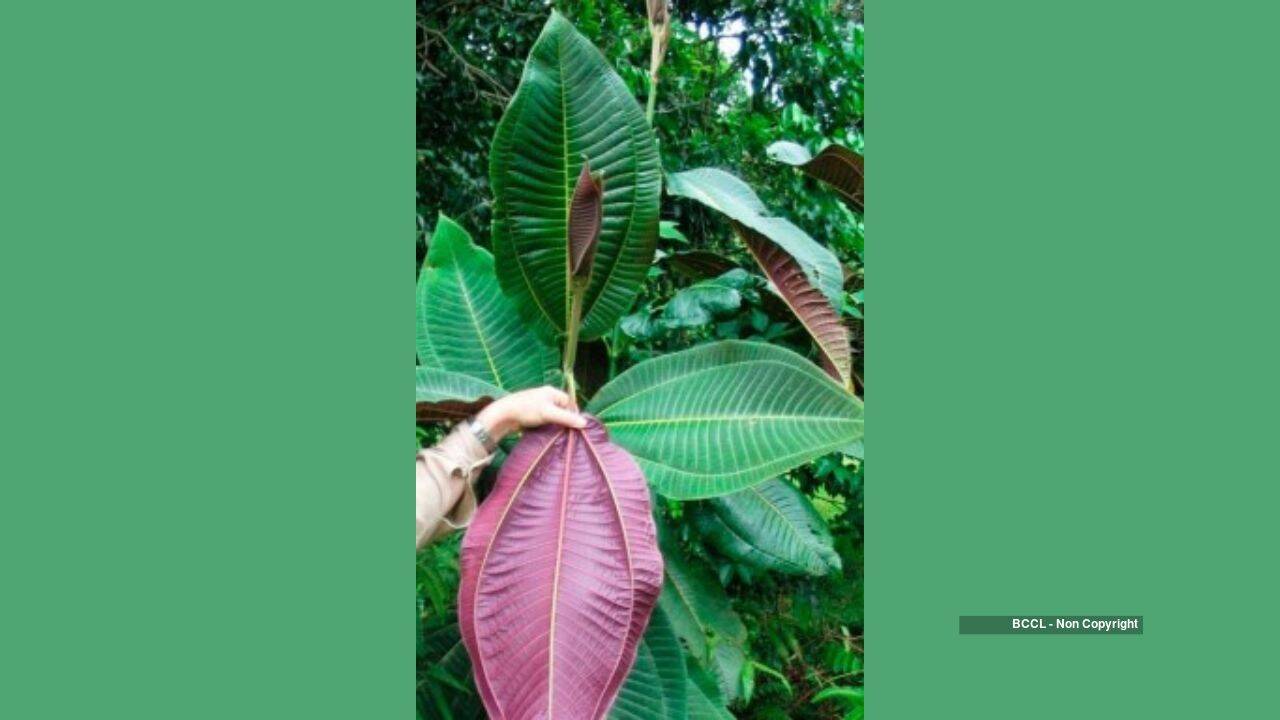
A species of ornamental tree, first planted in Tahiti in 1937, has become a serious biosecurity threat to Queensland's World Heritage rainforests. The miconia tree is known to aggressively invade forests, smothering native vegetation and causing irreversible ecological damage.
One of the key concerns with this species is its ability to produce a large number of seeds. A single mature miconia tree can produce up to 9 million seeds, which can rapidly spread across landscapes. This rapid spread has the potential to devastate native ecosystems, making early detection and eradication efforts crucial.
The miconia tree's ability to outcompete native vegetation for resources such as light, water, and nutrients is a major factor in its invasive nature. This can lead to a decline in biodiversity, as native species are pushed out by the invading tree.
Queensland's World Heritage rainforests are particularly vulnerable to the miconia tree's invasive nature. These rainforests are home to a vast array of unique and endemic species, and the introduction of the miconia tree could have disastrous consequences.
Efforts are being made to detect and eradicate the miconia tree in Queensland's rainforests. This includes monitoring for signs of the tree's presence, as well as removing any trees that are found.
The importance of protecting Queensland's World Heritage rainforests cannot be overstated. These ecosystems are not only important for biodiversity, but also play a critical role in regulating the climate and providing ecosystem services.
In order to prevent the miconia tree from causing further damage, it is essential that the public is aware of the risks associated with this species. By being vigilant and reporting any sightings of the tree, individuals can play a crucial role in protecting Queensland's precious ecosystems.
The long-term consequences of the miconia tree's invasion could be severe. If left unchecked, the tree could spread throughout Queensland's rainforests, causing irreversible damage to these ecosystems.
It is only through a concerted effort to detect and eradicate the miconia tree that we can hope to protect Queensland's World Heritage rainforests. This will require the cooperation of government agencies, conservation organizations, and the general public.
In conclusion, the invasive miconia tree poses a significant threat to Queensland's World Heritage rainforests. Its ability to produce millions of seeds and aggressively invade forests makes it a formidable opponent. However, by working together, we can hope to prevent the miconia tree from causing further damage and protect these precious ecosystems for future generations.
The impact of the miconia tree's invasion on Queensland's ecosystems will be significant, and it is essential that we take action to prevent further damage. By doing so, we can help to preserve the unique biodiversity of these ecosystems and ensure their continued health and resilience.
Frequently asked questions
What is the miconia tree and why is it a threat?
The miconia tree is an invasive species that can produce up to 9 million seeds, aggressively invading forests and smothering native vegetation, posing a serious biosecurity threat to Queensland's World Heritage rainforests.
How can the miconia tree be stopped from causing further damage?
Early detection and eradication efforts are crucial to protect these precious ecosystems, and the public can play a crucial role in reporting any sightings of the tree.