India Condemns Hormuz Ship Attacks at UNSC
India speaks out, urges dialogue and diplomacy in Middle East conflict. Tensions rise after recent escalation.
'%3E%3Crect%20width%3D'96'%20height%3D'96'%20fill%3D'%234A235A'%2F%3E%3Ccircle%20cx%3D'30'%20cy%3D'24'%20r%3D'44'%20fill%3D'%23fff'%20opacity%3D'.12'%2F%3E%3Ccircle%20cx%3D'60'%20cy%3D'74'%20r%3D'40'%20fill%3D'%23000'%20opacity%3D'.10'%2F%3E%3C%2Fg%3E%3Cg%20fill%3D'none'%20stroke%3D'%23fff'%20stroke-width%3D'3'%3E%3Ccircle%20cx%3D'48'%20cy%3D'48'%20r%3D'16'%2F%3E%3Cellipse%20cx%3D'48'%20cy%3D'48'%20rx%3D'6.5'%20ry%3D'16'%2F%3E%3Cline%20x1%3D'32'%20y1%3D'42'%20x2%3D'64'%20y2%3D'42'%2F%3E%3Cline%20x1%3D'32'%20y1%3D'54'%20x2%3D'64'%20y2%3D'54'%2F%3E%3C%2Fg%3E%3C%2Fsvg%3E)
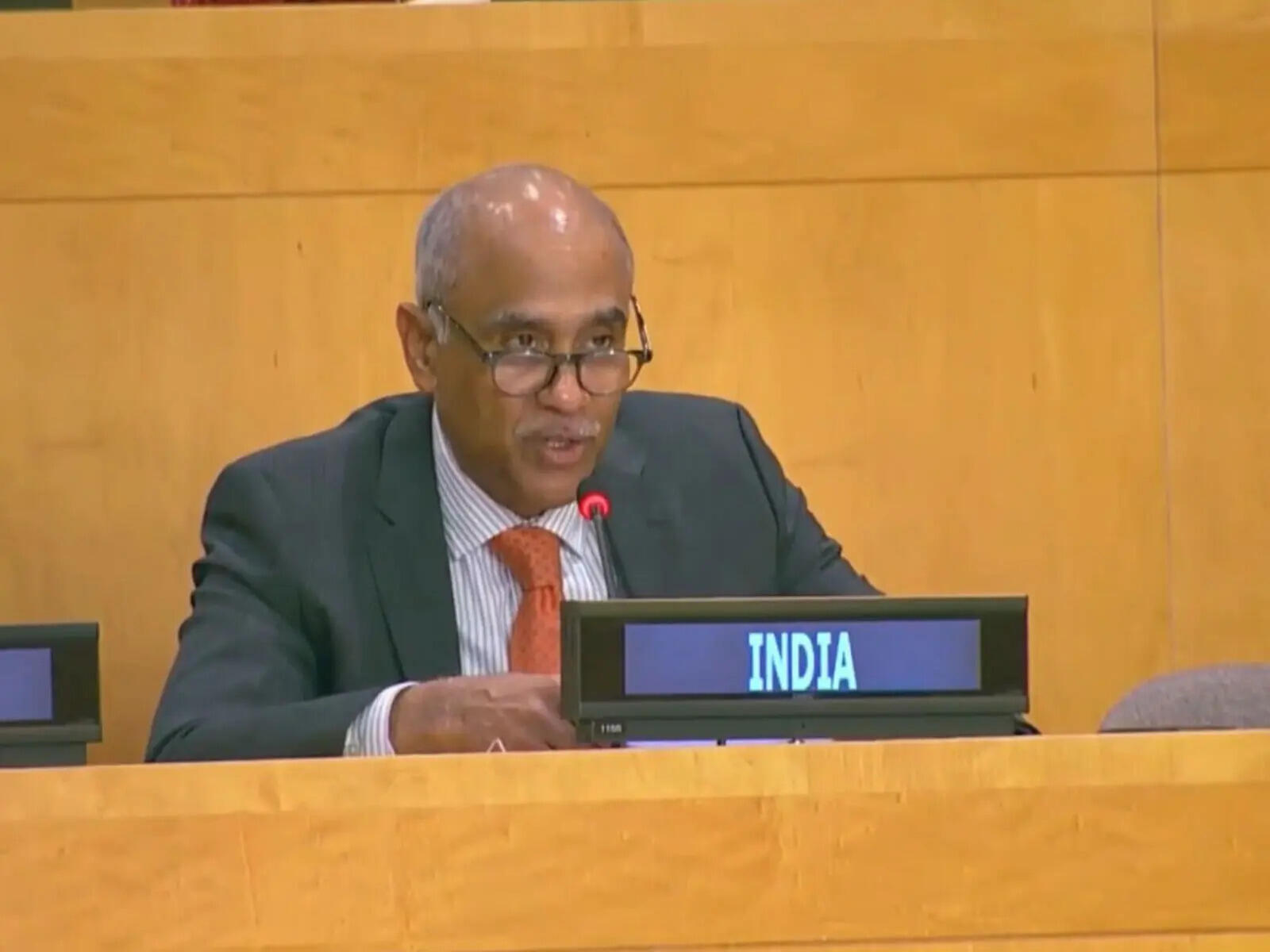
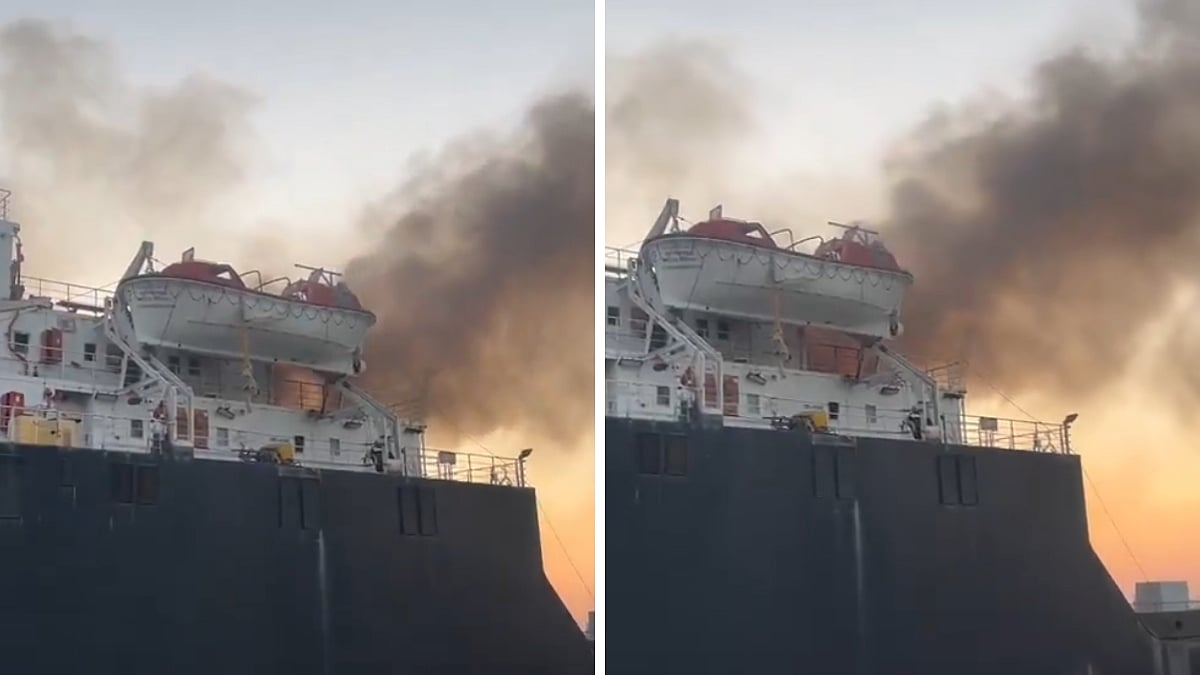
India's Permanent Representative to the UN, Ambassador Parvathaneni Harish, strongly condemned the recent attacks on commercial ships near Hormuz during an open debate at the United Nations Security Council. The debate focused on the situation in the Middle East, where a brief lull in fighting has been followed by a worrying escalation of violence.
Ambassador Harish expressed deep concern over the recent developments, emphasizing the need for all parties involved to return to dialogue and diplomacy. He urged restraint and de-escalation to prevent the conflict from worsening and to promote a peaceful resolution.
The attacks on commercial ships near Hormuz have significant implications for global trade and security, as the Strait of Hormuz is a critical waterway for international oil shipments. The region has been a flashpoint for tensions between various countries, and the recent escalation has raised concerns about the potential for further conflict.
The United Nations Security Council has been actively engaged in addressing the situation in the Middle East, with a focus on promoting peace, stability, and security in the region. India, as a member of the international community, has consistently emphasized the importance of dialogue and diplomacy in resolving conflicts and promoting peaceful resolution.
The Middle East region has been plagued by conflict and instability for decades, with various countries and factions vying for power and influence. The recent escalation of violence has raised concerns about the potential for further conflict and the impact on regional and global security.
India's condemnation of the attacks on commercial ships near Hormuz reflects its commitment to promoting peace, stability, and security in the region. The country has consistently emphasized the importance of respecting international law and promoting dialogue and diplomacy to resolve conflicts.
The international community is closely watching the situation in the Middle East, with concerns about the potential for further escalation and the impact on global security. India's statement at the United Nations Security Council reflects its commitment to promoting peace and stability in the region and its role as a responsible member of the international community.
In the context of the current global security landscape, India's condemnation of the attacks on commercial ships near Hormuz is significant. It highlights the need for collective action to promote peace and stability in the region and to address the root causes of conflict.
The situation in the Middle East remains complex and challenging, with various countries and factions involved. However, India's emphasis on dialogue and diplomacy provides a constructive approach to resolving conflicts and promoting peaceful resolution. As the international community continues to engage with the situation in the Middle East, India's role as a promoter of peace and stability is likely to remain significant.
In conclusion, India's strong condemnation of the attacks on commercial ships near Hormuz at the United Nations Security Council reflects its commitment to promoting peace, stability, and security in the region. The country's emphasis on dialogue and diplomacy provides a constructive approach to resolving conflicts and promoting peaceful resolution, and its role as a responsible member of the international community is likely to remain significant in addressing the complex challenges in the Middle East.
Frequently asked questions
What is the significance of the Strait of Hormuz?
The Strait of Hormuz is a critical waterway for international oil shipments, and attacks on commercial ships in the region have significant implications for global trade and security.
What is India's stance on the Middle East conflict?
India has consistently emphasized the importance of dialogue and diplomacy in resolving conflicts and promoting peaceful resolution, and has urged all parties involved to return to dialogue and diplomacy to prevent the conflict from worsening.