Jharkhand HC: Mental Disorder Not Grounds for Divorce
Mental disorder alone is not enough for divorce. Spouses must prove it prevents cohabitation.
'%3E%3Crect%20width%3D'96'%20height%3D'96'%20fill%3D'%231A5276'%2F%3E%3Ccircle%20cx%3D'30'%20cy%3D'24'%20r%3D'44'%20fill%3D'%23fff'%20opacity%3D'.12'%2F%3E%3Ccircle%20cx%3D'60'%20cy%3D'74'%20r%3D'40'%20fill%3D'%23000'%20opacity%3D'.10'%2F%3E%3C%2Fg%3E%3Cg%20fill%3D'%23fff'%3E%3Cpath%20d%3D'M31%2041%20L48%2031%20L65%2041%20Z'%2F%3E%3Crect%20x%3D'33'%20y%3D'43'%20width%3D'4'%20height%3D'17'%2F%3E%3Crect%20x%3D'41'%20y%3D'43'%20width%3D'4'%20height%3D'17'%2F%3E%3Crect%20x%3D'51'%20y%3D'43'%20width%3D'4'%20height%3D'17'%2F%3E%3Crect%20x%3D'59'%20y%3D'43'%20width%3D'4'%20height%3D'17'%2F%3E%3Crect%20x%3D'30'%20y%3D'62'%20width%3D'36'%20height%3D'4'%20rx%3D'1'%2F%3E%3C%2Fg%3E%3C%2Fsvg%3E)

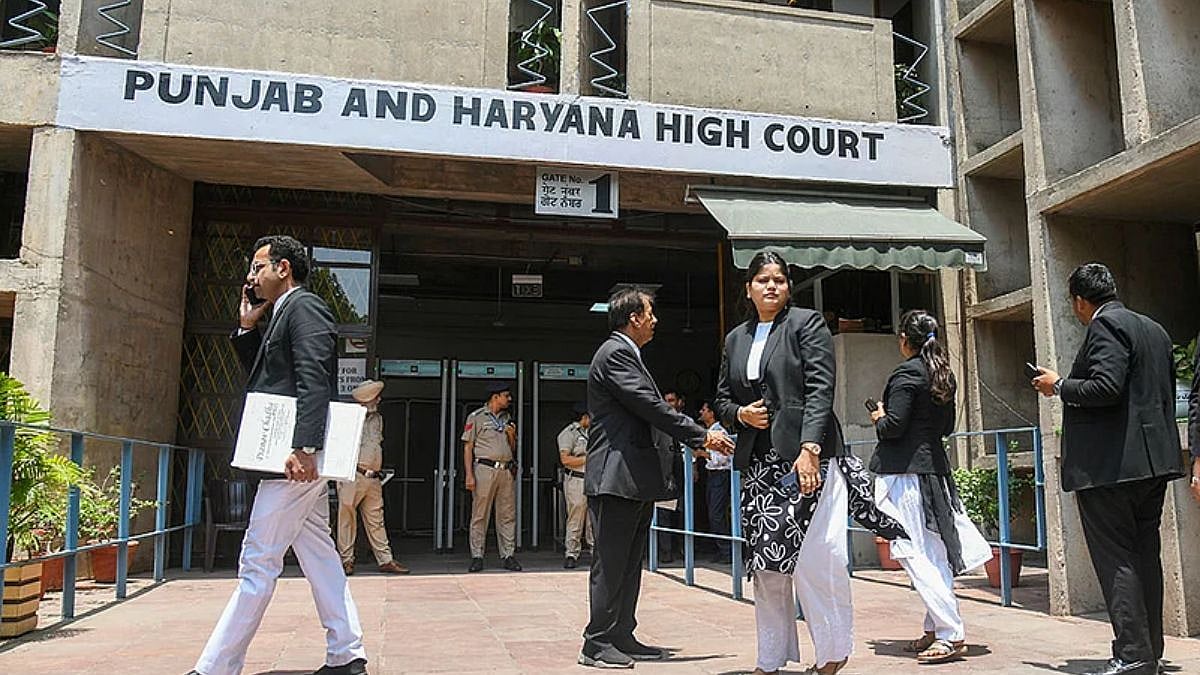
The Jharkhand High Court has ruled that mental disorder alone cannot be a valid reason for divorce. The court stated that a spouse seeking divorce on the grounds of mental illness must provide evidence that the illness prevents reasonable cohabitation.
The ruling came after a husband appealed for divorce citing his wife's alleged mental illness. However, the husband failed to provide medical evidence or expert testimony to support his claims. As a result, the court dismissed his appeal and upheld the family court's decision to refuse the dissolution of the marriage.
The family court had initially refused the divorce, and the husband appealed to the High Court. The High Court, after reviewing the case, agreed with the family court's decision. The court emphasized that mental illness alone is not sufficient grounds for divorce, and the spouse seeking divorce must prove that the illness makes cohabitation impossible.
This ruling highlights the importance of providing sufficient evidence in divorce cases, particularly when citing mental illness as a reason. The court's decision also underscores the need for spouses to explore all options before seeking divorce, including seeking medical help and counseling.
The Jharkhand High Court's ruling is significant, as it sets a precedent for future divorce cases in the state. It emphasizes that divorce should not be taken lightly and that couples should make every effort to resolve their issues before seeking a divorce.
In India, divorce laws are governed by various personal laws, including the Hindu Marriage Act, the Muslim Personal Law, and the Special Marriage Act. While these laws do provide grounds for divorce, including mental illness, the Jharkhand High Court's ruling highlights the need for spouses to provide sufficient evidence to support their claims.
The ruling also raises awareness about mental health and the importance of seeking medical help and counseling. It encourages couples to approach mental health issues with sensitivity and understanding, rather than using them as a reason for divorce.
In conclusion, the Jharkhand High Court's ruling is a significant development in the realm of divorce laws in India. It emphasizes the need for spouses to provide sufficient evidence and to explore all options before seeking a divorce, particularly when citing mental illness as a reason.
The court's decision will have implications for future divorce cases, and it highlights the importance of approaching mental health issues with sensitivity and understanding. As the law continues to evolve, it is essential to prioritize the well-being and dignity of all individuals involved in divorce proceedings.
The Jharkhand High Court's ruling serves as a reminder that divorce is a serious decision that should not be taken lightly. It encourages couples to make every effort to resolve their issues and to approach mental health issues with compassion and understanding.
In the end, the court's decision upholds the importance of providing sufficient evidence in divorce cases and emphasizes the need for spouses to prioritize their well-being and dignity. The ruling will have a significant impact on future divorce cases, and it highlights the importance of approaching mental health issues with sensitivity and understanding.
Frequently asked questions
Can mental illness be a reason for divorce in India?
Yes, but the spouse seeking divorce must provide evidence that the illness prevents reasonable cohabitation.
What did the Jharkhand High Court rule in the recent divorce case?
The court ruled that mental disorder alone is insufficient for divorce and upheld the family court's decision refusing to dissolve the marriage.