Netanyahu Rejects Trump's Gaza Plan
Israel turns down US proposal, demands Hamas disarmament. Netanyahu asserts Hamas must be disarmed before Israeli withdrawal.
'%3E%3Crect%20width%3D'96'%20height%3D'96'%20fill%3D'%234A235A'%2F%3E%3Ccircle%20cx%3D'30'%20cy%3D'24'%20r%3D'44'%20fill%3D'%23fff'%20opacity%3D'.12'%2F%3E%3Ccircle%20cx%3D'60'%20cy%3D'74'%20r%3D'40'%20fill%3D'%23000'%20opacity%3D'.10'%2F%3E%3C%2Fg%3E%3Cg%20fill%3D'none'%20stroke%3D'%23fff'%20stroke-width%3D'3'%3E%3Ccircle%20cx%3D'48'%20cy%3D'48'%20r%3D'16'%2F%3E%3Cellipse%20cx%3D'48'%20cy%3D'48'%20rx%3D'6.5'%20ry%3D'16'%2F%3E%3Cline%20x1%3D'32'%20y1%3D'42'%20x2%3D'64'%20y2%3D'42'%2F%3E%3Cline%20x1%3D'32'%20y1%3D'54'%20x2%3D'64'%20y2%3D'54'%2F%3E%3C%2Fg%3E%3C%2Fsvg%3E)
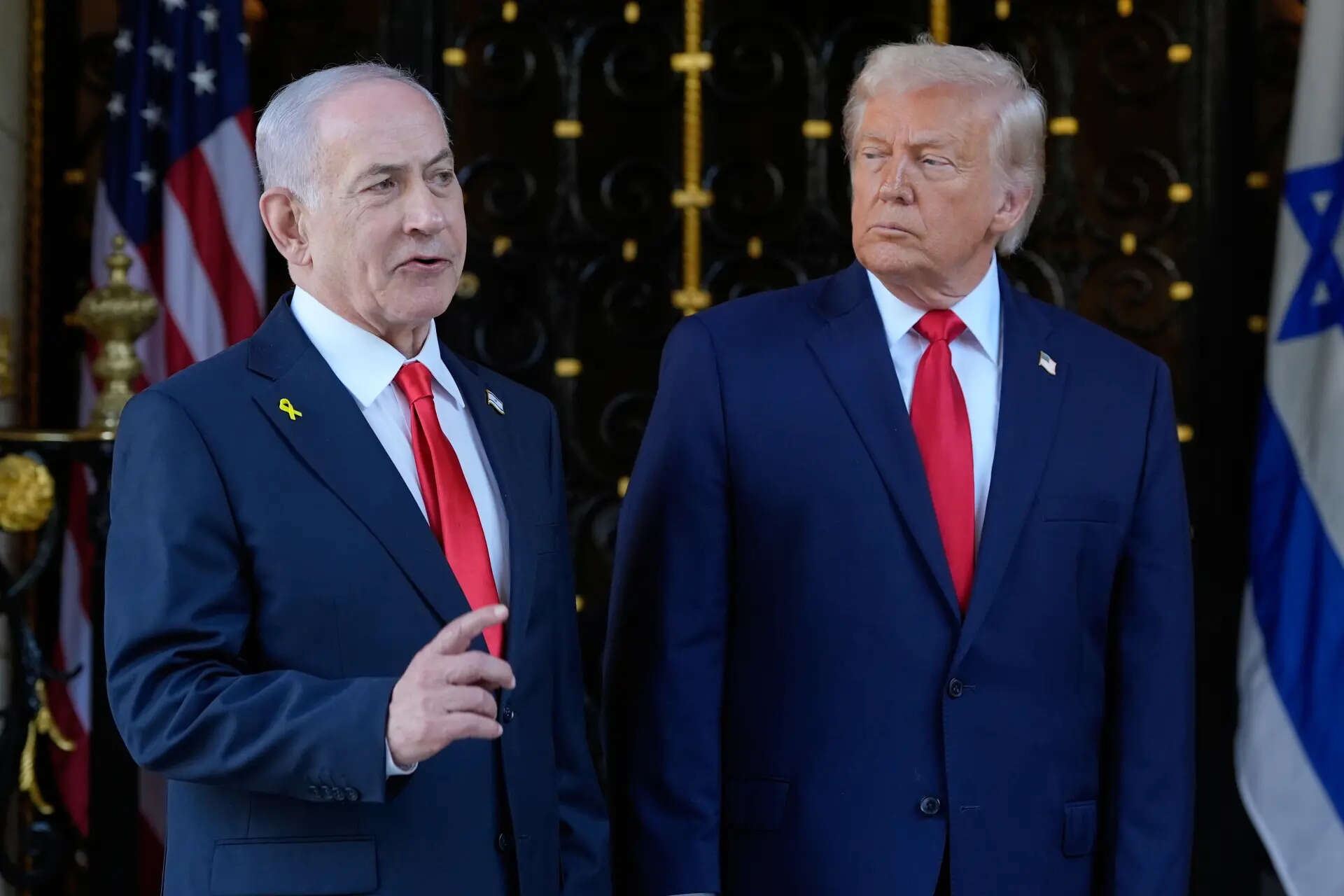
Israeli Prime Minister Netanyahu has rejected a US proposal for the Gaza peace process, emphasizing that Hamas must be completely disarmed before any Israeli forces withdraw from the region. This stance was made clear in response to a 15-point plan presented by the US, which Israel has now turned down.
The proposal, put forth by the Trump administration, aimed to address the ongoing conflict in Gaza. However, Netanyahu's government has made it clear that the disarmament of Hamas is a non-negotiable condition for any potential Israeli withdrawal.
Discussions between Israel and Washington are ongoing, with the US attempting to broker a peace deal. Despite these efforts, significant barriers remain, primarily due to the conflicting demands of the parties involved.
On one hand, Israel insists that Hamas must be disarmed, citing the need to ensure the safety and security of its citizens. On the other hand, Hamas demands a complete withdrawal of Israeli troops as a prerequisite for any negotiations, reflecting a fundamental impasse in the peace process.
The current ceasefire in Gaza is fragile, and the failure to reach a comprehensive agreement has raised concerns about the potential for renewed violence. The international community has urged both parties to return to the negotiating table, but the significant differences in their positions have made progress difficult.
Netanyahu's rejection of the US proposal highlights the complexities of the Israeli-Palestinian conflict, which has persisted for decades. The dispute over Gaza is a critical component of this conflict, with both sides dug in and unwilling to compromise on key issues.
As the situation in Gaza remains volatile, the international community continues to seek a lasting solution. However, the rejection of the US proposal and the ongoing disagreements between Israel and Hamas suggest that a peaceful resolution may be elusive in the near term.
In the broader context, the Israeli-Palestinian conflict is a longstanding and deeply entrenched issue, with roots dating back to the early 20th century. The conflict has been marked by periods of relative calm, punctuated by outbreaks of violence and failed peace initiatives.
The US has historically played a key role in attempting to broker a peace deal, but its efforts have been met with limited success. The current administration's proposal, which has now been rejected by Israel, is the latest in a long line of initiatives aimed at resolving the conflict.
Ultimately, the rejection of the US proposal by Israel underscores the significant challenges that must be overcome in order to achieve a lasting peace in the region. The international community must continue to work towards a comprehensive solution, one that addresses the core concerns of both parties and provides a foundation for a stable and secure future.
The situation in Gaza remains a major concern for the international community, with the potential for renewed violence ever-present. As such, it is imperative that all parties involved continue to work towards a peaceful resolution, one that prioritizes the safety and security of all citizens in the region.
Frequently asked questions
What is Israel's condition for withdrawing from Gaza?
Israel demands that Hamas must be completely disarmed before any Israeli forces withdraw.
What is Hamas' demand for negotiation?
Hamas demands a complete Israeli troop withdrawal as a prerequisite for negotiation.