ISRO Launches EOS 5 on September 4
ISRO to launch EOS 5 on September 4, India's Earth observation satellite, after two PSLV setbacks.
'%3E%3Crect%20width%3D'96'%20height%3D'96'%20fill%3D'%23B3261E'%2F%3E%3Ccircle%20cx%3D'30'%20cy%3D'24'%20r%3D'44'%20fill%3D'%23fff'%20opacity%3D'.12'%2F%3E%3Ccircle%20cx%3D'60'%20cy%3D'74'%20r%3D'40'%20fill%3D'%23000'%20opacity%3D'.10'%2F%3E%3C%2Fg%3E%3Cg%20fill%3D'%23fff'%3E%3Crect%20x%3D'29'%20y%3D'49'%20width%3D'8'%20height%3D'19'%20rx%3D'1'%2F%3E%3Crect%20x%3D'39'%20y%3D'40'%20width%3D'9'%20height%3D'28'%20rx%3D'1'%2F%3E%3Crect%20x%3D'50'%20y%3D'45'%20width%3D'8'%20height%3D'23'%20rx%3D'1'%2F%3E%3Crect%20x%3D'60'%20y%3D'53'%20width%3D'7'%20height%3D'15'%20rx%3D'1'%2F%3E%3Crect%20x%3D'41'%20y%3D'34'%20width%3D'5'%20height%3D'6'%2F%3E%3C%2Fg%3E%3C%2Fsvg%3E)
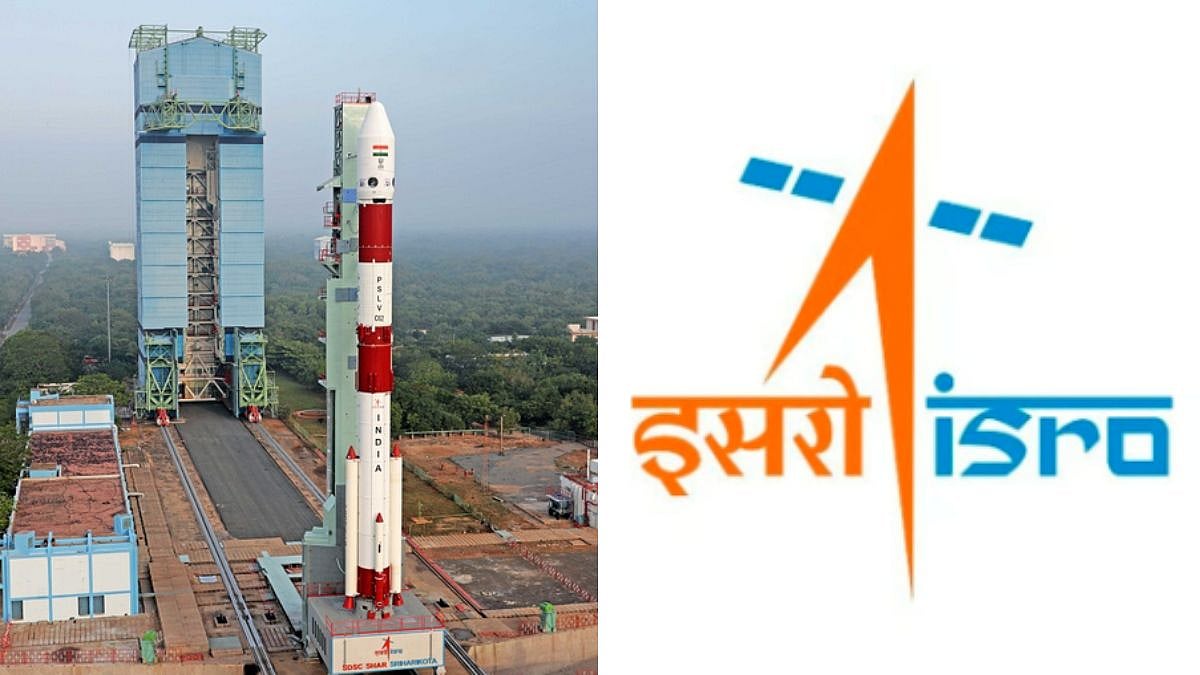
The Indian Space Research Organisation (ISRO) is set to launch its Earth observation satellite, EOS 5, on September 4, using the Geo-synchronous Satellite Launch Vehicle (GSLV F17). This launch is a significant comeback for ISRO after two consecutive setbacks involving its Polar Satellite Launch Vehicle (PSLV).
According to ISRO Chairman Dr V Narayanan, the space agency is readying for the important mission, which is scheduled to take place in the early hours of September 4. The EOS 5 satellite, previously designated GISAT 1A, has been developed to provide India with an almost continuous view of its territory from an altitude of around 36,000 kilometres.
The launch is part of an intensive launch schedule planned by ISRO, with seven launches planned between now and March 2027. The programme also includes G1, the first uncrewed mission under India's Gaganyaan human spaceflight programme. ISRO has set itself an ambitious target for the ongoing financial year, planning to complete 12 satellites and conduct eight launch vehicle missions.
The PSLV remains grounded after two consecutive launch failures, and investigations and validation exercises are being carried out. However, the GSLV Mk II scheduled to carry EOS 5 uses a different propulsion architecture, reducing the direct technological overlap between the two situations.
The upcoming launch also has a strong connection to one of ISRO's earlier setbacks. On August 12, 2021, the agency attempted to send EOS 03, the original GISAT satellite, into orbit using the GSLV F10, but the mission failed due to an issue with the indigenous cryogenic upper stage.
The EOS 5 satellite is expected to play an important role in monitoring developments across the country. Positioned in a high-altitude orbit, it will provide India with a significant Earth observation capability. The launch is a crucial step for ISRO, and its success will be closely watched.
ISRO's launch schedule is expected to cater to a range of applications, including communications, navigation, Earth observation, and scientific research. The agency's ambitious targets for the ongoing financial year demonstrate its commitment to advancing India's space programme.
The success of the EOS 5 launch will be a significant milestone for ISRO, marking a major comeback after the recent setbacks. It will also pave the way for future launches and missions, including the Gaganyaan human spaceflight programme.
In conclusion, the launch of EOS 5 on September 4 is a critical mission for ISRO, and its success will have significant implications for India's space programme. With its ambitious launch schedule and targets for the ongoing financial year, ISRO is poised to make major strides in space exploration and development.
Frequently asked questions
What is the significance of the EOS 5 satellite?
The EOS 5 satellite will provide India with an almost continuous view of its territory from an altitude of around 36,000 kilometres, playing an important role in monitoring developments across the country.
Why is the PSLV grounded?
The PSLV is grounded after two consecutive launch failures, and investigations and validation exercises are being carried out.