Tillotama Shome Condemns Removal of 'Satluj' from ZEE5
Actor Tillotama Shome calls the removal 'heartbreaking', advocating for creative freedom. Filmmakers face challenges in telling stories.

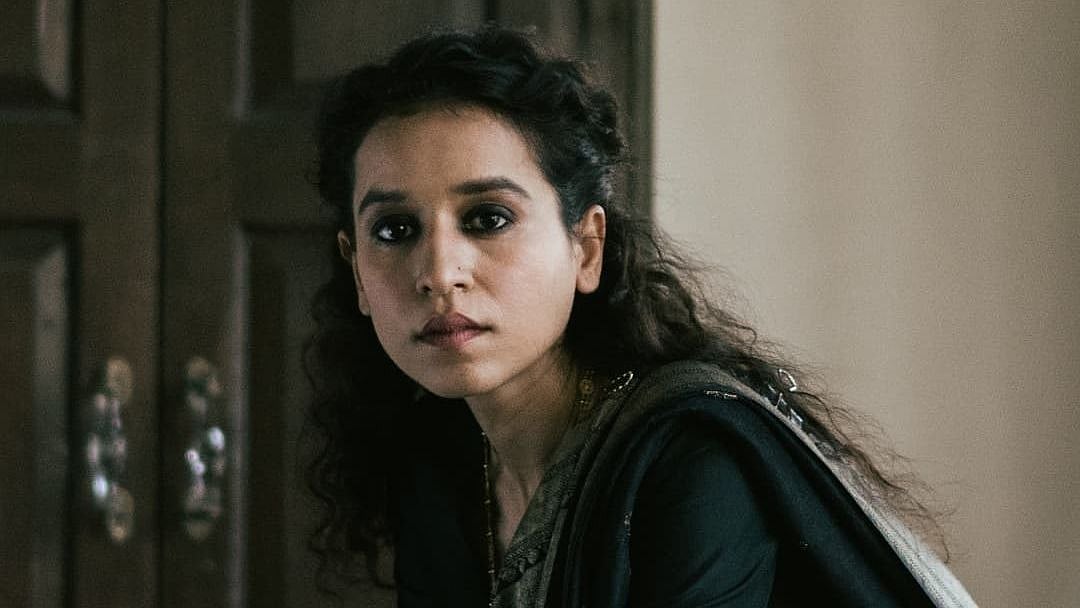
Mumbai-based actor Tillotama Shome has expressed her disappointment over the removal of the film 'Satluj' from the OTT platform ZEE5, calling it 'heartbreaking'. The film, which premiered on July 3, was taken down two days later due to 'security concerns' and obligations under IT Rules 2021.
The film 'Satluj' is based on the life of human rights activist Jaswant Singh Khalra, who investigated the cremation of thousands of unidentified bodies in Punjab during a 10-year period from 1984 to 1994. Shome believes that filmmakers should have the freedom to tell stories without any restrictions. 'In a democracy, we must have the freedom to watch and not watch. We should be adults about it,' she said.
Shome's comments come amid the controversy surrounding the film, which was earlier titled 'Punjab '95'. The film was stuck in the censorship process for over three years and made headlines after the Central Board of Film Certification (CBFC) reportedly sought more than 127 cuts. The film was eventually released on ZEE5 in its original uncut version before being taken down.
The actor, known for her work in films and OTT shows like 'Sir', 'Lust Stories 2', 'Delhi Crime 2', and 'Pataal Lok 2', said that filmmaking has always been a complex process. 'When has a film been easy to make? I’ve not experienced it. But I understand that it's complex, like life, it’s an expensive proposition, there will be many opinions, many considerations,' she said.
Despite the challenges, Shome believes that the fundamental human need for storytelling cannot be suppressed. 'The struggle to tell a story will keep changing its face. We are mad, we love it so much, that it's madness, we will continue telling stories and some will be accepted, some will be rejected,' she said.
The film 'Satluj' is directed by Honey Trehan and delves into the life of Khalra, who disappeared in 1995. In 2005, four Punjab Police personnel were convicted for his abduction and murder and sentenced to seven years in prison. Two years later, the Punjab and Haryana High Court enhanced their sentence to life imprisonment.
Shome currently stars in the Netflix legal thriller 'Ikka', headlined by Sunny Deol and Akshaye Khanna. The movie, directed by Siddharth P Malhotra, was released on the platform on Friday.
The removal of 'Satluj' from ZEE5 has sparked a debate about creative freedom in Indian cinema. Shome's comments highlight the importance of allowing filmmakers to tell stories without any restrictions. The incident has also raised questions about the role of censorship in Indian cinema and the impact it has on the creative process.
In conclusion, the removal of 'Satluj' from ZEE5 is a significant issue that highlights the challenges faced by filmmakers in India. The incident has sparked a debate about creative freedom and the importance of allowing filmmakers to tell stories without any restrictions. As Shome said, 'We should be adults about it' and allow filmmakers to exercise their creative freedom.
The controversy surrounding 'Satluj' is not an isolated incident, but rather a symptom of a larger issue. The Indian film industry has long faced challenges related to censorship and creative freedom. The incident highlights the need for a more nuanced approach to censorship and the importance of allowing filmmakers to tell stories that are meaningful and relevant to society.
Overall, the removal of 'Satluj' from ZEE5 is a significant issue that has sparked a debate about creative freedom in Indian cinema. The incident highlights the importance of allowing filmmakers to tell stories without any restrictions and the need for a more nuanced approach to censorship. As the Indian film industry continues to evolve, it is essential to ensure that filmmakers have the freedom to exercise their creative vision and tell stories that are meaningful and relevant to society.
In the context of Indian cinema, the removal of 'Satluj' from ZEE5 is a reminder of the ongoing struggle for creative freedom. The incident highlights the need for a more balanced approach to censorship and the importance of allowing filmmakers to tell stories that are meaningful and relevant to society. As the debate surrounding 'Satluj' continues, it is essential to consider the broader implications of censorship on the Indian film industry and the importance of protecting creative freedom.
The incident also raises questions about the role of OTT platforms in promoting creative freedom. As the Indian film industry continues to shift towards digital platforms, it is essential to ensure that these platforms provide a space for filmmakers to exercise their creative vision and tell stories that are meaningful and relevant to society. The removal of 'Satluj' from ZEE5 highlights the need for OTT platforms to take a more nuanced approach to censorship and to prioritize creative freedom.
In conclusion, the removal of 'Satluj' from ZEE5 is a significant issue that highlights the challenges faced by filmmakers in India. The incident has sparked a debate about creative freedom and the importance of allowing filmmakers to tell stories without any restrictions. As the Indian film industry continues to evolve, it is essential to ensure that filmmakers have the freedom to exercise their creative vision and tell stories that are meaningful and relevant to society.
What it means for Mumbai and India is that the creative freedom of filmmakers is being challenged, and it is essential to protect this freedom to ensure that the Indian film industry continues to thrive and produce meaningful and relevant stories. The incident highlights the need for a more nuanced approach to censorship and the importance of allowing filmmakers to tell stories without any restrictions. As the debate surrounding 'Satluj' continues, it is essential to consider the broader implications of censorship on the Indian film industry and the importance of protecting creative freedom.