Madhya Pradesh Police Disperse Ken-Betwa Protesters
Protest against Ken-Betwa Link Project ends in police action, hundreds detained
'%3E%3Crect%20width%3D'96'%20height%3D'96'%20fill%3D'%231A5276'%2F%3E%3Ccircle%20cx%3D'30'%20cy%3D'24'%20r%3D'44'%20fill%3D'%23fff'%20opacity%3D'.12'%2F%3E%3Ccircle%20cx%3D'60'%20cy%3D'74'%20r%3D'40'%20fill%3D'%23000'%20opacity%3D'.10'%2F%3E%3C%2Fg%3E%3Cg%20fill%3D'%23fff'%3E%3Cpath%20d%3D'M31%2041%20L48%2031%20L65%2041%20Z'%2F%3E%3Crect%20x%3D'33'%20y%3D'43'%20width%3D'4'%20height%3D'17'%2F%3E%3Crect%20x%3D'41'%20y%3D'43'%20width%3D'4'%20height%3D'17'%2F%3E%3Crect%20x%3D'51'%20y%3D'43'%20width%3D'4'%20height%3D'17'%2F%3E%3Crect%20x%3D'59'%20y%3D'43'%20width%3D'4'%20height%3D'17'%2F%3E%3Crect%20x%3D'30'%20y%3D'62'%20width%3D'36'%20height%3D'4'%20rx%3D'1'%2F%3E%3C%2Fg%3E%3C%2Fsvg%3E)
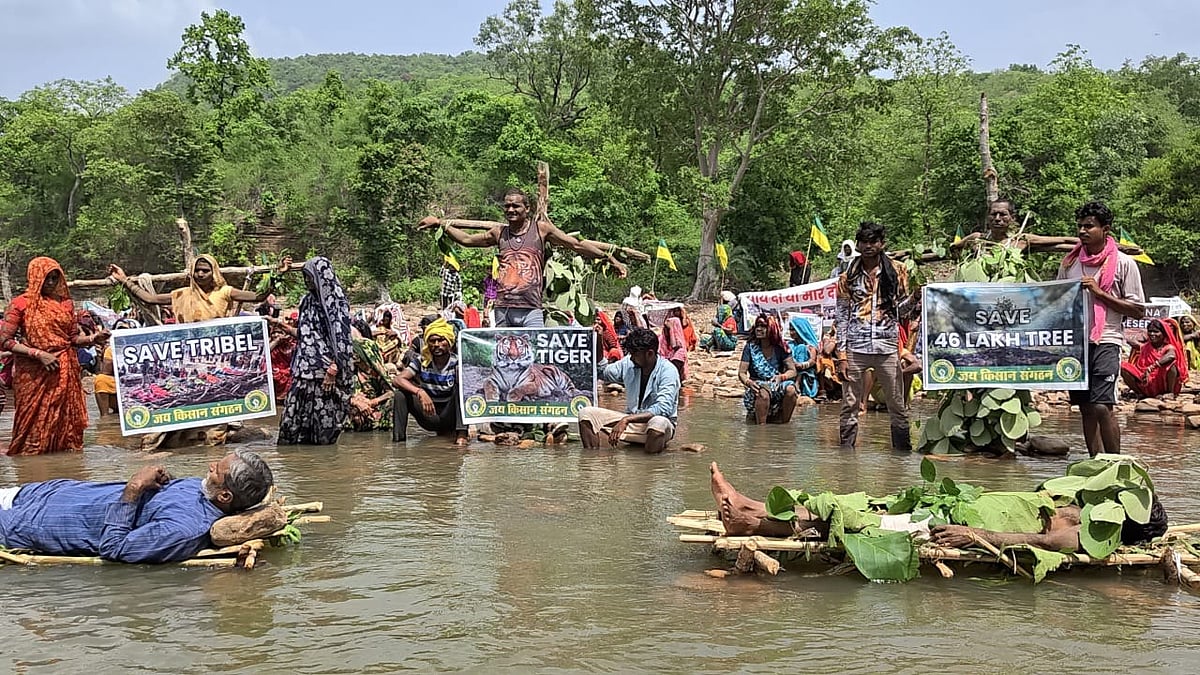
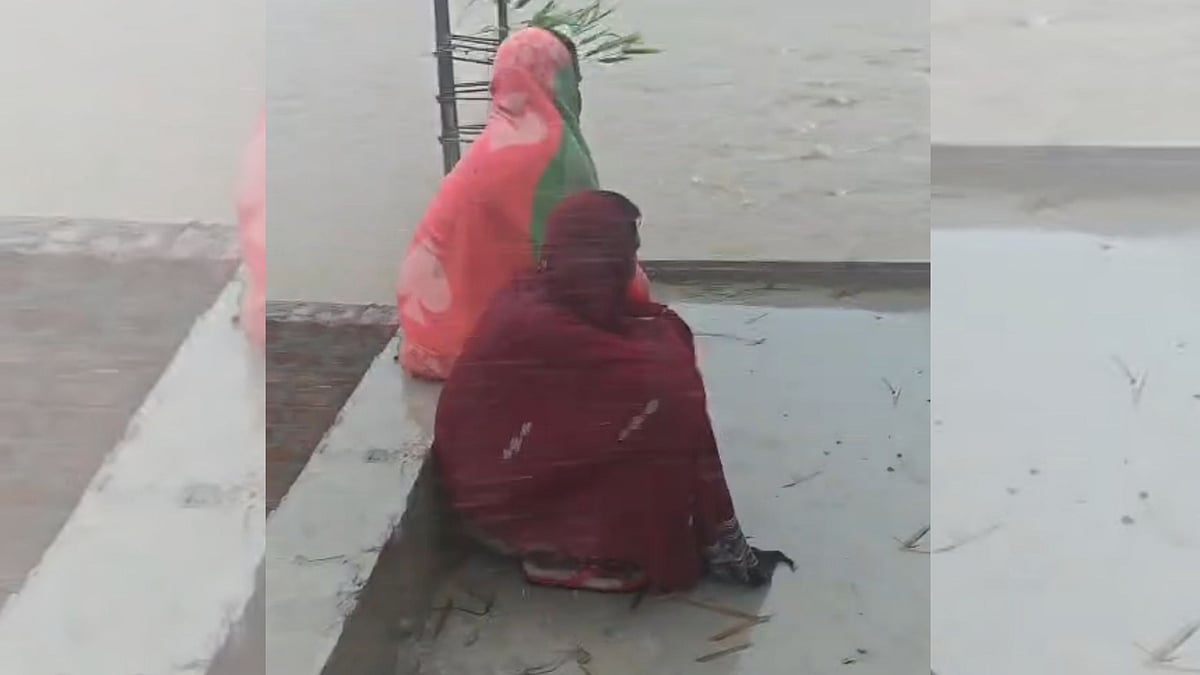
A protest against the Ken-Betwa Link Project in Madhya Pradesh's Chhatarpur district was forcibly dispersed by police on July 19. The protest, which began on July 3, drew hundreds of tribals who feared displacement and questioned the project's implementation.
The Rs 44,605-crore project aims to provide irrigation, drinking water, and hydropower generation. However, protesters alleged irregularities and raised concerns about the project's impact on their lives.
Instead of engaging with the protesters, police personnel allegedly used baton charges and detained movement leader Amit Bhatnagar, who was on a hunger strike. The protesters were bundled into buses and sent back to their villages.
The incident highlights the long-standing issue of development versus displacement in India. Tribal communities have borne the brunt of development projects, with their forests, villages, and ancestral lands being converted into mines, reservoirs, and industrial townships.
History has shown that rehabilitation efforts often fall short of official promises, with compensation packages failing to materialize. This has led to widespread distrust among affected communities.
The Ken-Betwa Link Project's benefits are substantial, but the means by which they are achieved are equally important. Large infrastructure projects must be legitimate not just in terms of economic returns, but also in terms of fairness and transparency.
The allegations raised by protesters deserved examination, not suppression. Even if the allegations are unfounded, they should have been addressed through transparency, not arrests.
The incident serves as a reminder that development must be measured not just in terms of economic growth, but also in terms of how a democracy treats its most vulnerable citizens.
The government's actions have done little to address the grievances of the protesters, and the issue is far from resolved. The need for transparency and fairness in development projects remains a pressing concern.
In the context of India's development trajectory, the Ken-Betwa Link Project is a significant undertaking. However, it is essential to ensure that the project's benefits are shared equitably and that the rights of affected communities are protected.
The incident has sparked concerns about the government's commitment to transparency and accountability in development projects. As India continues to pursue large-scale infrastructure projects, it is crucial to prioritize the needs and concerns of affected communities.
Ultimately, the success of development projects depends on the trust and cooperation of affected communities. The government must work to rebuild trust and ensure that the benefits of development are shared equitably among all stakeholders.
The Ken-Betwa Link Project is a test case for India's development model. It remains to be seen whether the government will prioritize the needs of affected communities and ensure that the project's benefits are shared equitably.
Frequently asked questions
What is the Ken-Betwa Link Project?
The Ken-Betwa Link Project is a Rs 44,605-crore project aimed at providing irrigation, drinking water, and hydropower generation.
Why were protesters against the project?
Protesters feared displacement and raised concerns about the project's implementation, alleging irregularities.