Bombay HC Quashes SDPI Workers' Externment
Bombay HC rules against externment, cites illegality. SDPI workers affected.
'%3E%3Crect%20width%3D'96'%20height%3D'96'%20fill%3D'%23B3261E'%2F%3E%3Ccircle%20cx%3D'30'%20cy%3D'24'%20r%3D'44'%20fill%3D'%23fff'%20opacity%3D'.12'%2F%3E%3Ccircle%20cx%3D'60'%20cy%3D'74'%20r%3D'40'%20fill%3D'%23000'%20opacity%3D'.10'%2F%3E%3C%2Fg%3E%3Cg%20fill%3D'%23fff'%3E%3Crect%20x%3D'29'%20y%3D'49'%20width%3D'8'%20height%3D'19'%20rx%3D'1'%2F%3E%3Crect%20x%3D'39'%20y%3D'40'%20width%3D'9'%20height%3D'28'%20rx%3D'1'%2F%3E%3Crect%20x%3D'50'%20y%3D'45'%20width%3D'8'%20height%3D'23'%20rx%3D'1'%2F%3E%3Crect%20x%3D'60'%20y%3D'53'%20width%3D'7'%20height%3D'15'%20rx%3D'1'%2F%3E%3Crect%20x%3D'41'%20y%3D'34'%20width%3D'5'%20height%3D'6'%2F%3E%3C%2Fg%3E%3C%2Fsvg%3E)
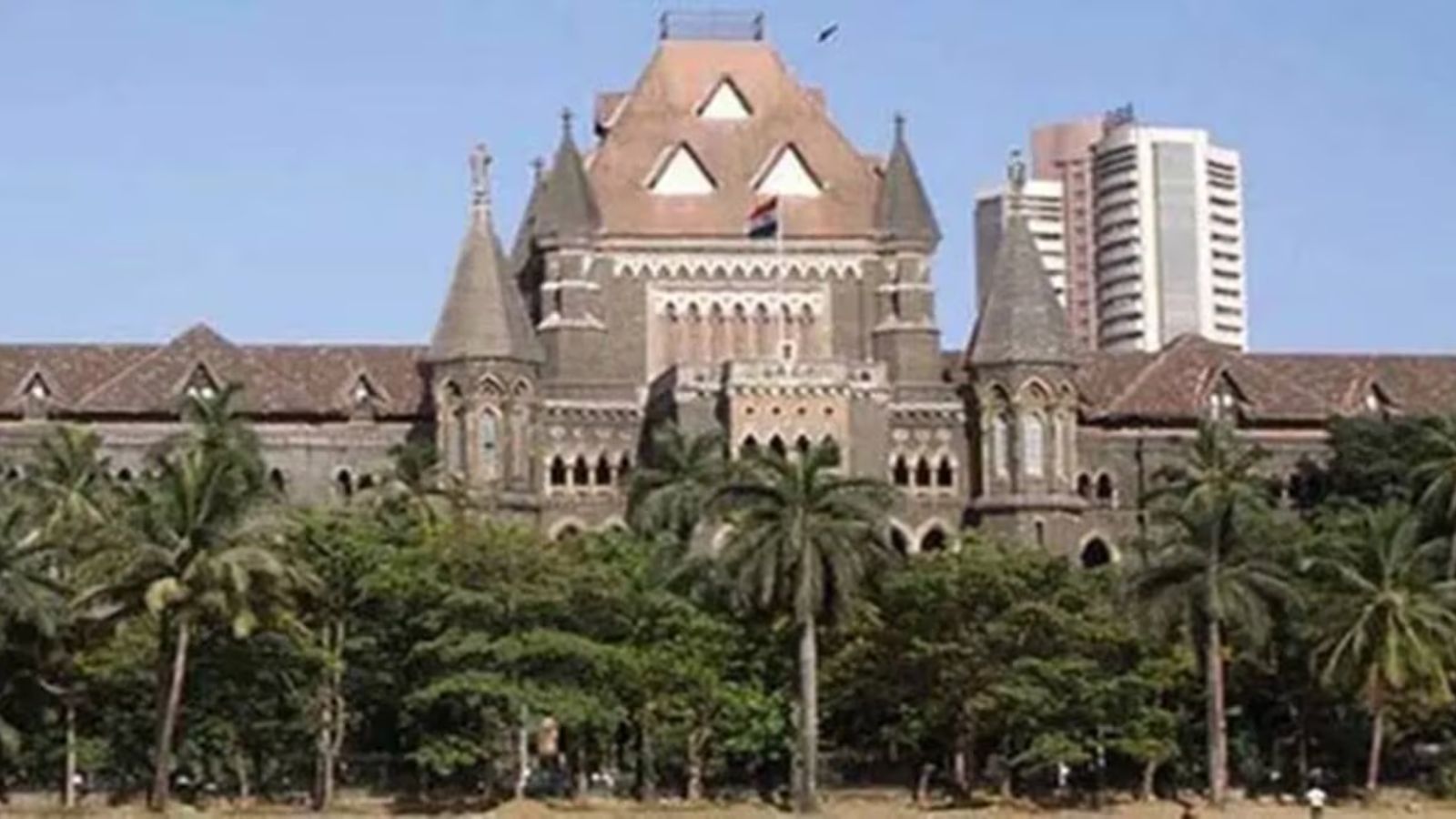
The Bombay High Court has quashed the externment orders issued against several Social Democratic Party of India (SDPI) workers, deeming them 'totally illegal'. The court's decision comes as a significant relief to the workers who were externed from the city.
The SDPI workers had been externed by the authorities, allegedly due to their involvement in certain activities. However, the court observed that the externment orders were issued without following the due process of law. The court also noted that the orders seemed to be based on the workers' religious affiliation, rather than any concrete evidence of wrongdoing.
The court's judgment emphasized that externment orders cannot be issued solely based on a person's religion or community. The judges questioned the rationale behind the externment, asking if it was justified to take such action 'just because they belong to one religion?' The court's decision highlights the importance of upholding the rule of law and protecting the fundamental rights of citizens.
The SDPI is a political party that has been active in various parts of the country, including Maharashtra. The party has been involved in several social and political issues, and its workers have been vocal about their demands. The externment orders had been issued against the workers in an attempt to curb their activities, but the court's decision has now overturned these orders.
The Bombay High Court's judgment is a significant development in the case, and it is likely to have implications for similar cases in the future. The court's emphasis on the importance of following the due process of law and protecting the fundamental rights of citizens is a welcome move. The decision also highlights the need for the authorities to ensure that their actions are not discriminatory or biased against any particular community or religion.
The SDPI workers who were externed have welcomed the court's decision, stating that it is a victory for justice and democracy. The party has also expressed its gratitude to the court for upholding the rule of law and protecting the rights of its workers.
In conclusion, the Bombay High Court's decision to quash the externment orders issued against the SDPI workers is a significant development that highlights the importance of upholding the rule of law and protecting the fundamental rights of citizens. The decision is a reminder that the authorities must ensure that their actions are not discriminatory or biased against any particular community or religion.
The court's judgment is also a testament to the independence and impartiality of the judiciary, which is essential for upholding the principles of democracy and justice. The decision is likely to have a positive impact on the community and will help to promote a sense of justice and fairness.
The externment orders had been a cause of concern for the SDPI workers and their families, who had been affected by the decision. The court's judgment has now brought relief to these individuals, who can now resume their activities without fear of persecution.
The Bombay High Court's decision is a significant step towards promoting justice and democracy in the country. It is a reminder that the rule of law must be upheld at all times, and that the authorities must ensure that their actions are fair, just, and impartial.
The court's emphasis on the importance of protecting the fundamental rights of citizens is a welcome move, and it is likely to have a positive impact on the community. The decision is a testament to the independence and impartiality of the judiciary, which is essential for upholding the principles of democracy and justice.
In the end, the Bombay High Court's decision to quash the externment orders issued against the SDPI workers is a significant development that highlights the importance of upholding the rule of law and protecting the fundamental rights of citizens. The decision is a reminder that the authorities must ensure that their actions are not discriminatory or biased against any particular community or religion, and that the rule of law must be upheld at all times.
Frequently asked questions
What was the reason for the externment of SDPI workers?
The externment orders were issued allegedly due to their involvement in certain activities, but the court found that the orders were issued without following the due process of law.
What was the court's judgment on the externment orders?
The court deemed the externment orders 'totally illegal' and quashed them, citing the lack of due process and the potential for discrimination based on religious affiliation.