Fadnavis Gets Veto Power Over Ministers
New Maharashtra rules grant CM Devendra Fadnavis veto power. Ministers' decisions can be overruled.
'%3E%3Crect%20width%3D'96'%20height%3D'96'%20fill%3D'%231A5276'%2F%3E%3Ccircle%20cx%3D'30'%20cy%3D'24'%20r%3D'44'%20fill%3D'%23fff'%20opacity%3D'.12'%2F%3E%3Ccircle%20cx%3D'60'%20cy%3D'74'%20r%3D'40'%20fill%3D'%23000'%20opacity%3D'.10'%2F%3E%3C%2Fg%3E%3Cg%20fill%3D'%23fff'%3E%3Cpath%20d%3D'M31%2041%20L48%2031%20L65%2041%20Z'%2F%3E%3Crect%20x%3D'33'%20y%3D'43'%20width%3D'4'%20height%3D'17'%2F%3E%3Crect%20x%3D'41'%20y%3D'43'%20width%3D'4'%20height%3D'17'%2F%3E%3Crect%20x%3D'51'%20y%3D'43'%20width%3D'4'%20height%3D'17'%2F%3E%3Crect%20x%3D'59'%20y%3D'43'%20width%3D'4'%20height%3D'17'%2F%3E%3Crect%20x%3D'30'%20y%3D'62'%20width%3D'36'%20height%3D'4'%20rx%3D'1'%2F%3E%3C%2Fg%3E%3C%2Fsvg%3E)
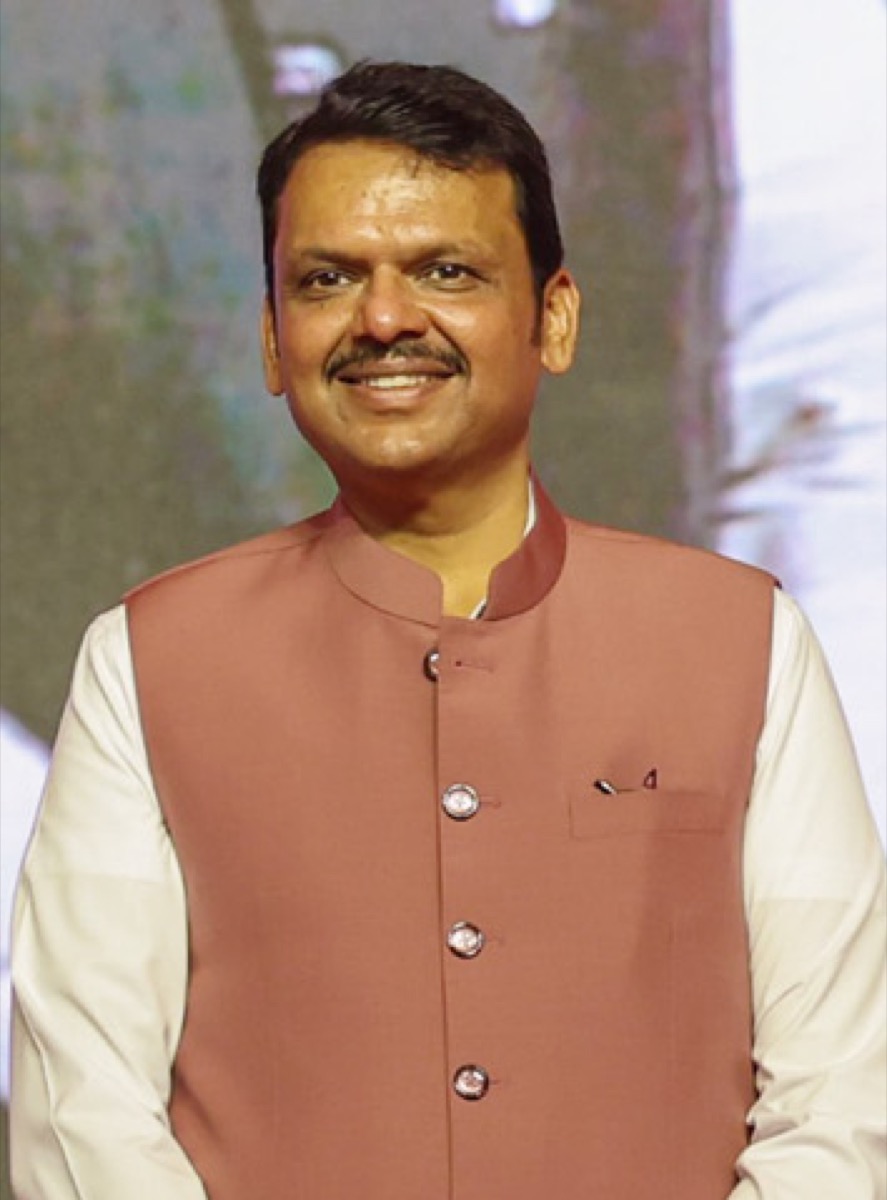
Maharashtra Chief Minister Devendra Fadnavis has been granted veto power over all ministers in the state government.
This significant development comes after the introduction of new rules that allow the Chief Minister to override decisions made by any minister. The move is seen as a consolidation of power by Fadnavis, who is already the leader of the house.
The new rules, which have been put in place by the state government, effectively give Fadnavis the authority to veto any decision taken by a minister. This means that even if a minister has made a decision, Fadnavis can still choose to override it if he deems it necessary.
The decision to grant Fadnavis veto power is likely to have significant implications for the functioning of the state government. Ministers may be hesitant to take decisions, knowing that they can be overruled by the Chief Minister.
The development is also likely to be seen as a move to strengthen Fadnavis' position within the government. As the leader of the house, he already wields significant influence, and the new rules will only add to his power.
The introduction of the new rules has sparked debate about the implications for the state government. Some have argued that the move will lead to more efficient decision-making, while others have expressed concerns about the concentration of power in the hands of the Chief Minister.
In the context of Maharashtra's political landscape, the move is significant. The state has a long history of complex political alliances and power struggles, and the new rules may be seen as an attempt by Fadnavis to consolidate his position.
The state government has been facing several challenges in recent times, including issues related to agriculture, infrastructure, and law and order. The new rules may be seen as an attempt to streamline decision-making and ensure that the government can respond effectively to these challenges.
Overall, the granting of veto power to Fadnavis is a significant development that is likely to have far-reaching implications for the state government. As the Chief Minister continues to consolidate his power, it remains to be seen how the new rules will play out in practice.
The move is likely to be watched closely by political observers and analysts, who will be keen to see how the new rules affect the functioning of the state government. For now, it is clear that Fadnavis has emerged as a powerful figure in Maharashtra's political landscape, and his veto power is likely to be a key factor in shaping the state's future.
In terms of what this means for Maharashtra, the new rules are likely to lead to a more centralized decision-making process. This could have both positive and negative implications, depending on how the power is exercised. On the one hand, a more streamlined decision-making process could lead to greater efficiency and effectiveness. On the other hand, the concentration of power in the hands of the Chief Minister could lead to concerns about accountability and transparency.
Only time will tell how the new rules will play out in practice, but for now, it is clear that Fadnavis has emerged as a dominant force in Maharashtra's political landscape.
Frequently asked questions
What are the new Maharashtra rules about?
The new rules grant CM Devendra Fadnavis veto power over all ministers in the state government.
What does the veto power mean for ministers?
Ministers' decisions can be overruled by the Chief Minister, giving Fadnavis significant authority.