BMC's ₹53-Crore Parking Plan Faces Opposition
Activists protest green land acquisition, question use of funds
'%3E%3Crect%20width%3D'96'%20height%3D'96'%20fill%3D'%23B3261E'%2F%3E%3Ccircle%20cx%3D'30'%20cy%3D'24'%20r%3D'44'%20fill%3D'%23fff'%20opacity%3D'.12'%2F%3E%3Ccircle%20cx%3D'60'%20cy%3D'74'%20r%3D'40'%20fill%3D'%23000'%20opacity%3D'.10'%2F%3E%3C%2Fg%3E%3Cg%20fill%3D'%23fff'%3E%3Crect%20x%3D'29'%20y%3D'49'%20width%3D'8'%20height%3D'19'%20rx%3D'1'%2F%3E%3Crect%20x%3D'39'%20y%3D'40'%20width%3D'9'%20height%3D'28'%20rx%3D'1'%2F%3E%3Crect%20x%3D'50'%20y%3D'45'%20width%3D'8'%20height%3D'23'%20rx%3D'1'%2F%3E%3Crect%20x%3D'60'%20y%3D'53'%20width%3D'7'%20height%3D'15'%20rx%3D'1'%2F%3E%3Crect%20x%3D'41'%20y%3D'34'%20width%3D'5'%20height%3D'6'%2F%3E%3C%2Fg%3E%3C%2Fsvg%3E)
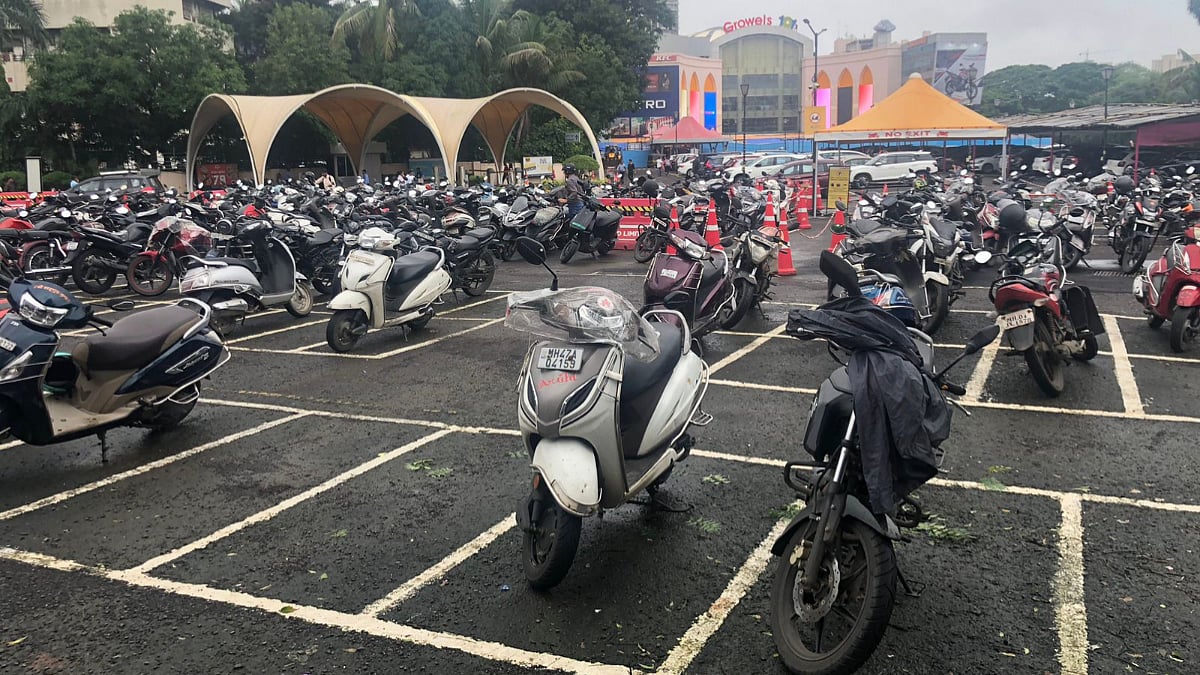
The Brihanmumbai Municipal Corporation (BMC) has proposed a ₹53-crore plan to acquire 9,712.70 sq m of land in Gorai for a public parking facility. The plan aims to ease parking congestion near tourist spots like the Global Vipassana Pagoda and Water Kingdom.
However, activists have strongly opposed the plan, citing the unnecessary use of green land for parking and the financial burden on taxpayers. Godfrey Pimenta, founder of the Watchdog Foundation, has written to the BMC Commissioner and the state government, urging them to withdraw or put the proposal on hold.
Pimenta argues that the facility will primarily benefit visitors to the nearby attractions and that the beneficiaries or a public-private partnership should fund the project instead of taxpayers. He also calls for greater financial discipline and transparency in major land acquisitions.
Vinod Gholap, chairperson of the Fight for Right Foundation, has also slammed the proposal, saying that paving over green land in Gorai for parking defeats its ecological purpose and amounts to an unjustified use of civic funds.
Mumbai faces a severe parking shortage, with over 50 lakh registered vehicles and nearly 728 new vehicles added every day. The BMC currently operates 37 authorised parking facilities with a combined capacity of 30,135 vehicles. However, activists argue that the BMC should explore alternative solutions, such as developing underground parking hubs beneath gardens and playgrounds, to bridge the growing gap.
The Mumbai Suburban Collector has issued a notification initiating the acquisition process, and the BMC will bear the entire compensation cost. However, activists are determined to fight the proposal, citing the need for financial prudence and ecological conservation.
The BMC's plan has sparked a debate about the use of civic funds and the prioritization of infrastructure projects. While the BMC argues that the parking facility is necessary to ease congestion, activists argue that the funds could be better spent on pressing needs such as water supply, roads, healthcare, and public transport.
The proposal has also raised questions about the transparency and accountability of major land acquisitions in Mumbai. Activists are demanding greater scrutiny of such projects to ensure that they are in the public interest and do not result in the unnecessary destruction of green spaces.
In conclusion, the BMC's ₹53-crore parking plan has sparked a controversy that highlights the need for careful planning and financial prudence in infrastructure projects. As Mumbai continues to grapple with the challenges of rapid urbanization, it is essential to prioritize projects that balance the needs of development with the need to conserve green spaces and protect the environment.
The fate of the proposal remains uncertain, with activists vowing to continue their opposition. The BMC will need to carefully consider the concerns raised by activists and explore alternative solutions that balance the needs of development with the need to conserve green spaces and protect the environment.
The proposal has significant implications for Mumbai's urban planning and development. The city's rapid growth and increasing population have put a strain on its infrastructure, and the BMC must prioritize projects that address the pressing needs of its citizens. The controversy surrounding the parking plan highlights the need for greater transparency and accountability in infrastructure projects and the importance of balancing development with environmental conservation.
In the end, the BMC's decision on the parking plan will have a significant impact on the city's development and the quality of life of its citizens. It is essential for the BMC to carefully consider the concerns raised by activists and to prioritize projects that balance the needs of development with the need to conserve green spaces and protect the environment.
The city's citizens will be watching the developments closely, and the outcome of the proposal will have significant implications for the future of Mumbai's urban planning and development.