Ethiopia's Drylands See 22% Forest Cover in 9 Years
Ethiopia achieves significant forest growth, reduces soil erosion. Forest cover increases from 1.9% to 22% in 9 years.
'%3E%3Crect%20width%3D'96'%20height%3D'96'%20fill%3D'%23B3261E'%2F%3E%3Ccircle%20cx%3D'30'%20cy%3D'24'%20r%3D'44'%20fill%3D'%23fff'%20opacity%3D'.12'%2F%3E%3Ccircle%20cx%3D'60'%20cy%3D'74'%20r%3D'40'%20fill%3D'%23000'%20opacity%3D'.10'%2F%3E%3C%2Fg%3E%3Cg%20fill%3D'%23fff'%3E%3Crect%20x%3D'29'%20y%3D'49'%20width%3D'8'%20height%3D'19'%20rx%3D'1'%2F%3E%3Crect%20x%3D'39'%20y%3D'40'%20width%3D'9'%20height%3D'28'%20rx%3D'1'%2F%3E%3Crect%20x%3D'50'%20y%3D'45'%20width%3D'8'%20height%3D'23'%20rx%3D'1'%2F%3E%3Crect%20x%3D'60'%20y%3D'53'%20width%3D'7'%20height%3D'15'%20rx%3D'1'%2F%3E%3Crect%20x%3D'41'%20y%3D'34'%20width%3D'5'%20height%3D'6'%2F%3E%3C%2Fg%3E%3C%2Fsvg%3E)
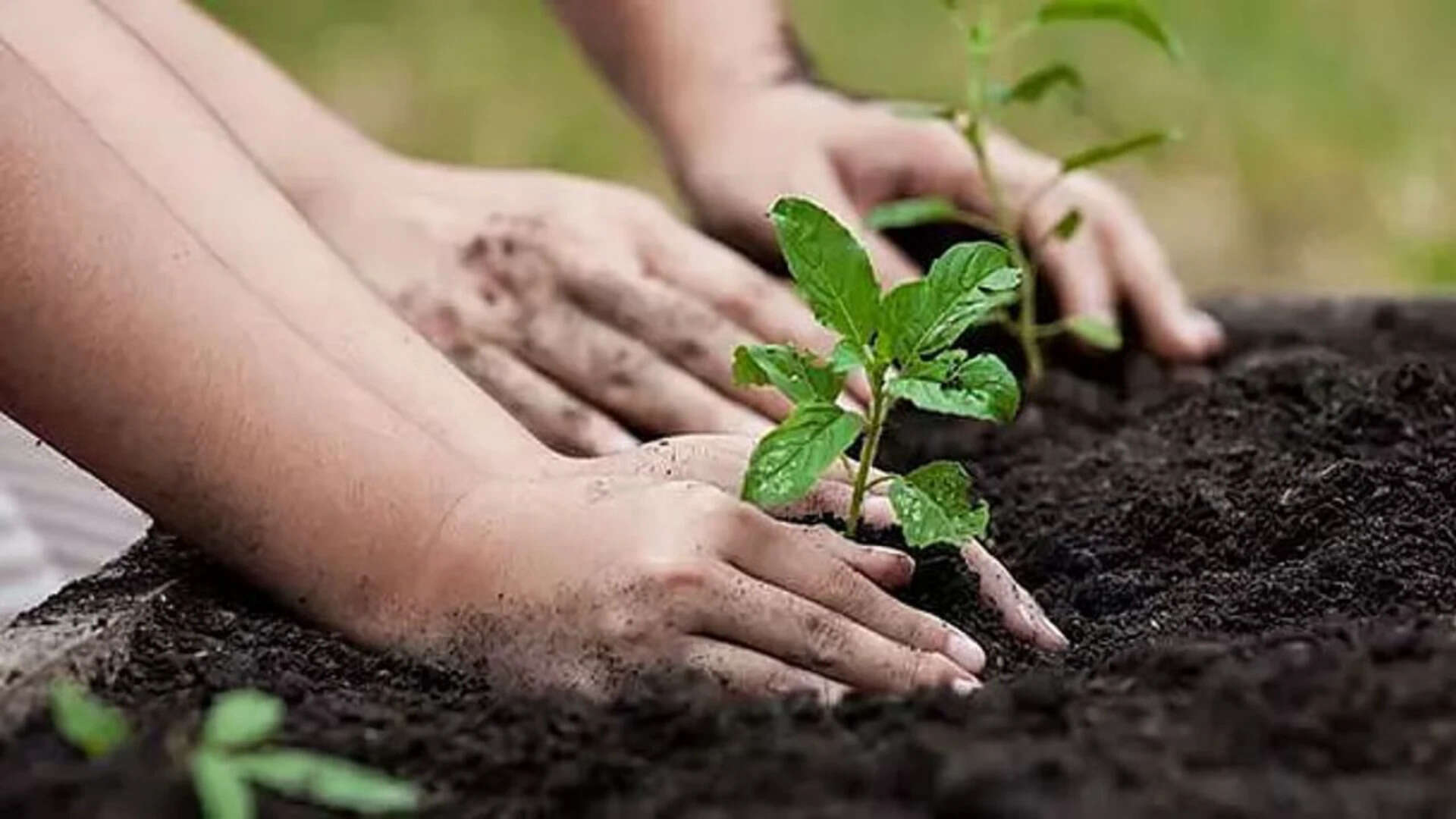
Ethiopia's drylands have undergone a significant transformation in the past nine years, with forest cover increasing from 1.9% to over 22%. This remarkable growth is attributed to the practices of assisted natural regeneration and active tree planting, which have enhanced forest density and reduced severe topsoil loss in the mountainous terrain.
The Ethiopian government has been actively working towards achieving its ecological objectives and promoting a green economy. The country's initiatives have focused on restoring ravaged communal landscapes and promoting sustainable land use practices. The outcomes of these efforts have been promising, with a significant reduction in soil erosion and an increase in forest cover.
The use of assisted natural regeneration has been particularly effective in enhancing forest density. This approach involves supporting the natural growth of trees and other vegetation, rather than relying solely on tree planting. Active tree planting has also played a crucial role in the expansion of forest cover, with the government and local communities working together to plant millions of trees.
The reduction in soil erosion is a significant achievement, as it has helped to protect the country's water sources and prevent land degradation. The mountainous terrain of Ethiopia's drylands is particularly vulnerable to soil erosion, and the government's efforts to address this issue have been critical in maintaining the country's ecological balance.
Ethiopia's success in expanding its forest cover and reducing soil erosion has important implications for other countries facing similar environmental challenges. The country's approach to sustainable land use and forest restoration can serve as a model for other nations, and its commitment to promoting a green economy is a positive step towards achieving a more sustainable future.
The increase in forest cover has also had a positive impact on local communities, who rely on the forest for their livelihoods. The expansion of forest cover has provided new opportunities for income generation and has helped to improve the overall quality of life for people living in the area.
In conclusion, Ethiopia's achievement in expanding its forest cover from 1.9% to over 22% in just nine years is a significant milestone in the country's efforts to promote a green economy and achieve its ecological objectives. The use of assisted natural regeneration and active tree planting has been critical in achieving this success, and the country's commitment to sustainable land use practices is a positive step towards a more sustainable future.
The success of Ethiopia's forest restoration efforts has important implications for the global environment, and the country's approach can serve as a model for other nations facing similar environmental challenges. As the world continues to grapple with the challenges of climate change and environmental degradation, Ethiopia's achievement is a reminder that practical approaches to restoring ravaged landscapes can have a meaningful impact on the environment and on local communities.
Overall, Ethiopia's achievement in expanding its forest cover is a significant success story that highlights the importance of sustainable land use practices and the potential for restoration efforts to have a positive impact on the environment and on local communities. The country's commitment to promoting a green economy and achieving its ecological objectives is a positive step towards a more sustainable future, and its approach can serve as a model for other nations facing similar environmental challenges.
Frequently asked questions
What was the initial forest cover in Ethiopia's drylands?
The initial forest cover in Ethiopia's drylands was 1.9%.
What practices contributed to the increase in forest cover?
The practices of assisted natural regeneration and active tree planting contributed to the increase in forest cover.