Mumbai Landslide Risk Zones Identified
Mumbai knows landslide risks, yet struggles to relocate residents
'%3E%3Crect%20width%3D'96'%20height%3D'96'%20fill%3D'%23B3261E'%2F%3E%3Ccircle%20cx%3D'30'%20cy%3D'24'%20r%3D'44'%20fill%3D'%23fff'%20opacity%3D'.12'%2F%3E%3Ccircle%20cx%3D'60'%20cy%3D'74'%20r%3D'40'%20fill%3D'%23000'%20opacity%3D'.10'%2F%3E%3C%2Fg%3E%3Cg%20fill%3D'%23fff'%3E%3Crect%20x%3D'29'%20y%3D'49'%20width%3D'8'%20height%3D'19'%20rx%3D'1'%2F%3E%3Crect%20x%3D'39'%20y%3D'40'%20width%3D'9'%20height%3D'28'%20rx%3D'1'%2F%3E%3Crect%20x%3D'50'%20y%3D'45'%20width%3D'8'%20height%3D'23'%20rx%3D'1'%2F%3E%3Crect%20x%3D'60'%20y%3D'53'%20width%3D'7'%20height%3D'15'%20rx%3D'1'%2F%3E%3Crect%20x%3D'41'%20y%3D'34'%20width%3D'5'%20height%3D'6'%2F%3E%3C%2Fg%3E%3C%2Fsvg%3E)
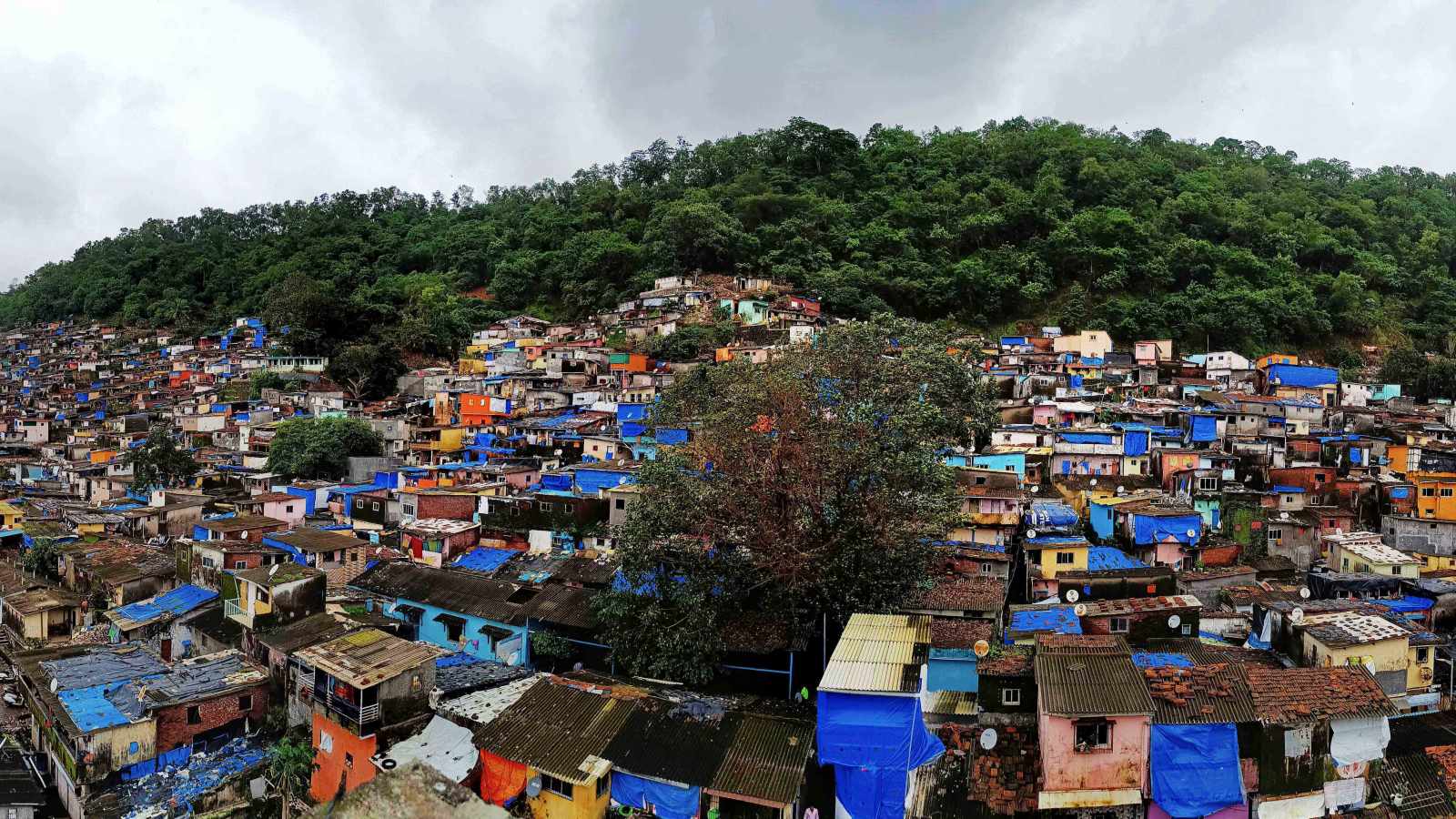
A recent study has identified areas in Mumbai that are prone to landslides, posing a significant threat to the lives of residents. Despite being aware of these risks, the city is still struggling to relocate people living in these danger zones.
The Brihanmumbai Municipal Corporation (BMC) has been working to identify areas that are susceptible to landslides, and has developed a plan to mitigate the risks. However, the process of relocating residents has been slow due to various reasons, including lack of alternative housing and resistance from residents.
The areas identified as high-risk zones are mostly located in the eastern and western suburbs of Mumbai, where the terrain is hilly and prone to landslides during the monsoon season. The BMC has been working to stabilize the hills and prevent landslides, but the task is daunting due to the scale of the problem.
According to officials, the BMC has identified over 200 areas in the city that are prone to landslides, and has developed a plan to mitigate the risks. The plan includes stabilizing the hills, constructing retaining walls, and relocating residents to safer areas.
However, the process of relocating residents has been slow, with many residents resisting the move due to various reasons, including emotional attachment to their homes and lack of alternative housing. The BMC has been trying to convince residents to move to safer areas, but the process has been challenging.
The issue of landslide risks in Mumbai is not new, and the city has experienced several landslides in the past, resulting in loss of life and property. The BMC has been working to address the issue, but the scale of the problem is huge, and it will take time and effort to mitigate the risks.
In recent years, the city has seen an increase in landslides, particularly during the monsoon season, due to heavy rainfall and unstable terrain. The BMC has been working to stabilize the hills and prevent landslides, but the task is daunting due to the scale of the problem.
The city's geology and terrain make it prone to landslides, and the BMC has been working to address the issue. However, the process of relocating residents has been slow, and it will take time and effort to mitigate the risks.
The BMC has been working to raise awareness about the risks of landslides and the importance of relocating to safer areas. However, the process has been challenging, and it will take time and effort to convince residents to move.
In conclusion, while Mumbai knows where the landslide risks are, it still can't move the people due to various reasons, including lack of alternative housing and resistance from residents. The BMC will need to continue working to mitigate the risks and convince residents to relocate to safer areas.
Frequently asked questions
What is the main reason for landslide risks in Mumbai?
The main reason for landslide risks in Mumbai is the city's geology and terrain, which is prone to landslides, particularly during the monsoon season.
How many areas in Mumbai are prone to landslides?
The BMC has identified over 200 areas in the city that are prone to landslides.