Marie Curie's Belongings Stored in Lead-Lined Boxes
Marie Curie's belongings are still radioactive, stored in lead-lined boxes. Her research revolutionized cancer treatments.
'%3E%3Crect%20width%3D'96'%20height%3D'96'%20fill%3D'%23B3261E'%2F%3E%3Ccircle%20cx%3D'30'%20cy%3D'24'%20r%3D'44'%20fill%3D'%23fff'%20opacity%3D'.12'%2F%3E%3Ccircle%20cx%3D'60'%20cy%3D'74'%20r%3D'40'%20fill%3D'%23000'%20opacity%3D'.10'%2F%3E%3C%2Fg%3E%3Cg%20fill%3D'%23fff'%3E%3Crect%20x%3D'29'%20y%3D'49'%20width%3D'8'%20height%3D'19'%20rx%3D'1'%2F%3E%3Crect%20x%3D'39'%20y%3D'40'%20width%3D'9'%20height%3D'28'%20rx%3D'1'%2F%3E%3Crect%20x%3D'50'%20y%3D'45'%20width%3D'8'%20height%3D'23'%20rx%3D'1'%2F%3E%3Crect%20x%3D'60'%20y%3D'53'%20width%3D'7'%20height%3D'15'%20rx%3D'1'%2F%3E%3Crect%20x%3D'41'%20y%3D'34'%20width%3D'5'%20height%3D'6'%2F%3E%3C%2Fg%3E%3C%2Fsvg%3E)
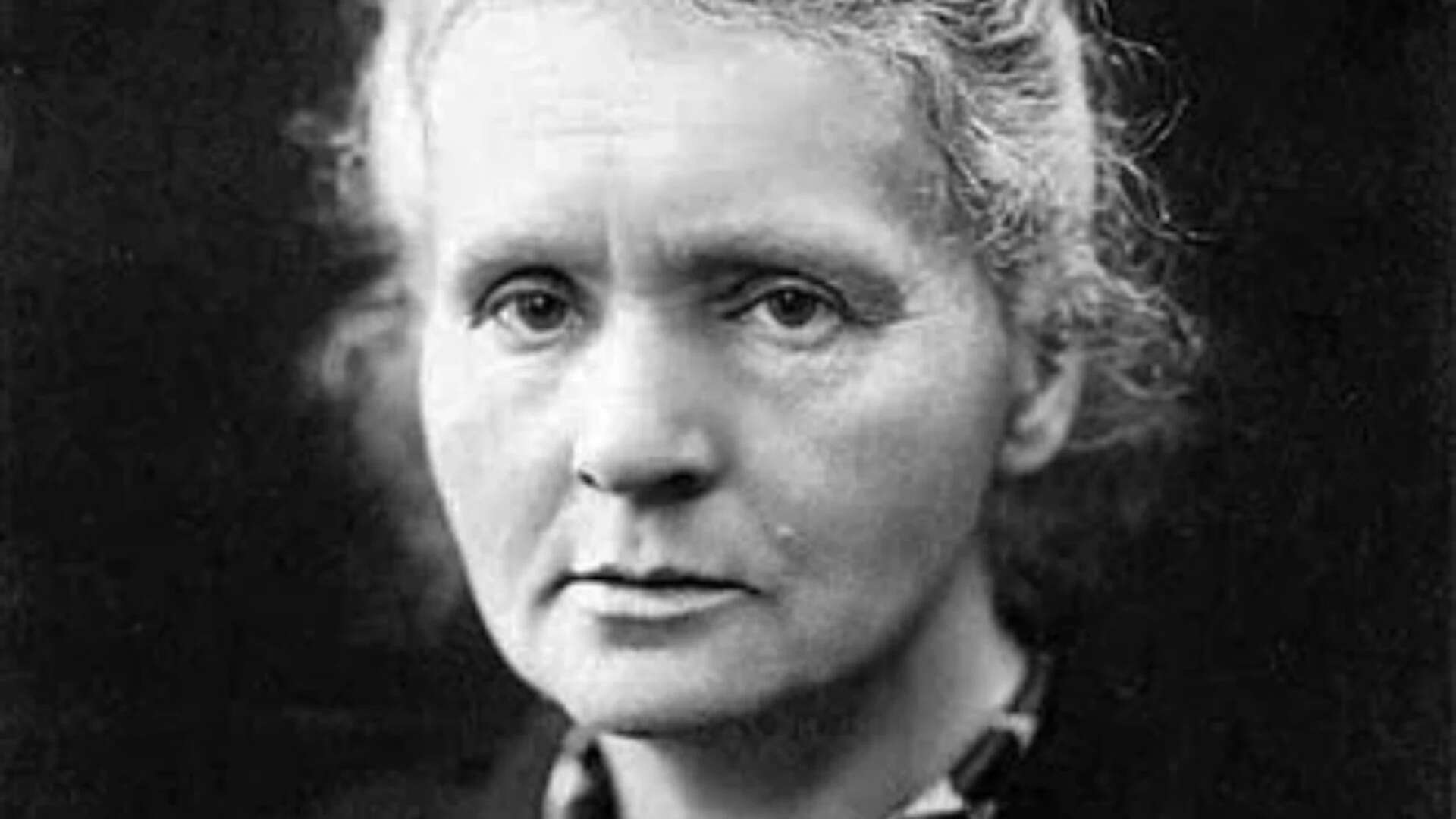
Marie Curie, the renowned physicist and chemist, and her husband Pierre Curie, conducted groundbreaking research in a Paris shed, extracting radium from pitchblende. This pioneering work, which began over a century ago, not only earned them Nobel Prizes but also paved the way for significant advancements in cancer treatments.
The Curies' meticulous research revealed the dangers of radioactive materials, a risk that still persists today. Their findings have had a lasting impact on the scientific community, inspiring generations of researchers and medical innovators worldwide.
The legacy of the Curies continues to be felt, with their work remaining relevant in the fields of medicine and science. The discovery of radium and its properties has led to the development of life-saving cancer treatments, transforming the lives of countless individuals.
Despite the passing of time, the belongings of Marie Curie remain radioactive, posing a significant risk to those who come into contact with them. As a result, these items are stored in lead-lined boxes, a precautionary measure to prevent exposure to harmful radiation.
The story of the Curies serves as a reminder of the importance of responsible handling and storage of radioactive materials. Their research, although conducted over a century ago, highlights the ongoing need for caution and safety protocols when working with such substances.
In the present day, scientists and medical professionals continue to build upon the foundation laid by the Curies. Their work has enabled the development of innovative cancer treatments, improving patient outcomes and saving lives.
The impact of the Curies' research extends beyond the scientific community, with their legacy continuing to inspire and influence people from all walks of life. Their dedication to their work and their perseverance in the face of adversity serve as a testament to the power of human ingenuity and determination.
In conclusion, the story of Marie Curie and her belongings, stored in lead-lined boxes, serves as a poignant reminder of the significance of her research and its ongoing relevance in the modern world. The Curies' pioneering work has left an indelible mark on the world of science and medicine, continuing to inspire and influence new generations of researchers and innovators.
The importance of the Curies' research and legacy cannot be overstated, with their work remaining a vital part of our understanding of radioactive materials and their applications in medicine. As we continue to push the boundaries of scientific knowledge and innovation, the story of the Curies serves as a powerful reminder of the importance of responsible research and the need for ongoing caution and safety protocols when working with hazardous substances.
In the end, the Curies' legacy is a testament to the transformative power of scientific discovery and the impact it can have on human lives. Their work, although conducted over a century ago, continues to shape our understanding of the world and improve the lives of people around the globe.