Guam Snake Invasion: 19,000 DNA Changes Found
Brown tree snakes invaded Guam after WWII, causing ecological damage. New research reveals thousands of hidden DNA changes.
'%3E%3Crect%20width%3D'96'%20height%3D'96'%20fill%3D'%231B5E20'%2F%3E%3Ccircle%20cx%3D'30'%20cy%3D'24'%20r%3D'44'%20fill%3D'%23fff'%20opacity%3D'.12'%2F%3E%3Ccircle%20cx%3D'60'%20cy%3D'74'%20r%3D'40'%20fill%3D'%23000'%20opacity%3D'.10'%2F%3E%3C%2Fg%3E%3Cg%3E%3Ccircle%20cx%3D'48'%20cy%3D'48'%20r%3D'15'%20fill%3D'%23fff'%2F%3E%3Cpath%20d%3D'M43%2034%20Q50%2048%2043%2062'%20fill%3D'none'%20stroke%3D'%238a94a6'%20stroke-width%3D'2.4'%2F%3E%3Cpath%20d%3D'M47%2033%20Q54%2048%2047%2063'%20fill%3D'none'%20stroke%3D'%238a94a6'%20stroke-width%3D'1.8'%20stroke-dasharray%3D'1.5%203'%2F%3E%3C%2Fg%3E%3C%2Fsvg%3E)
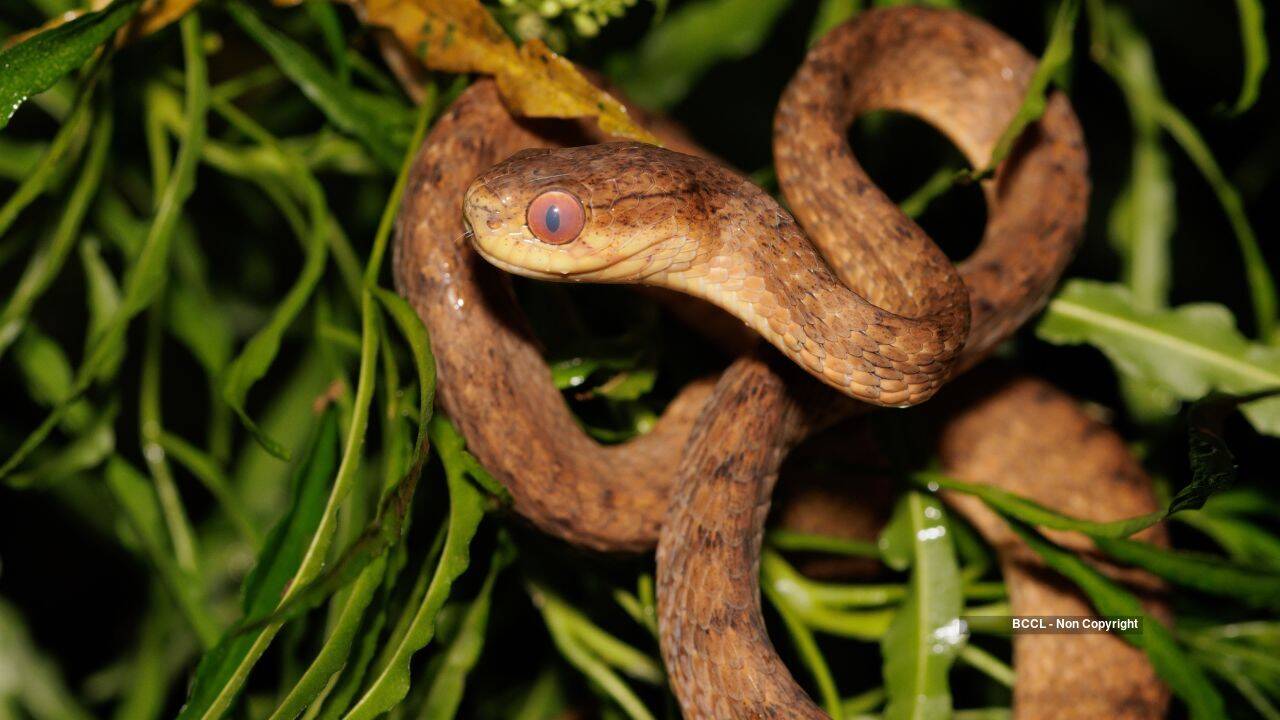
The brown tree snake invasion of Guam, which began after World War II, has had a devastating impact on the island's ecosystem. The snakes, which are found in extremely high densities across the island, have caused significant ecological damage.
Recent research has shed new light on the genetic makeup of these invasive snakes. Scientists have discovered thousands of hidden DNA changes in the snakes, with a staggering 19,000 changes identified.
This genetic flexibility is believed to be a key factor in the snakes' ability to adapt to new environments and survive. The findings challenge previous understandings of invasive species and inbreeding, which suggested that species with low genetic diversity would struggle to adapt to new environments.
The brown tree snake invasion of Guam is a significant concern for conservationists, as it has had a major impact on the island's native species. The snakes have been responsible for the decline of many native bird species, and have also had a significant impact on the island's reptile and amphibian populations.
The research, which was conducted using advanced DNA sequencing techniques, provides new insights into the genetic makeup of invasive species. The findings suggest that these species may be more resilient than previously thought, and that they may be able to adapt to new environments more quickly than expected.
The discovery of the 19,000 DNA changes in the brown tree snakes has significant implications for conservation efforts. It highlights the need for more effective strategies to prevent the spread of invasive species, and to mitigate the impact of these species on native ecosystems.
In the context of Guam, the findings suggest that conservation efforts should focus on preventing the further spread of the brown tree snake, as well as on protecting the island's native species. This may involve the use of targeted control measures, such as trapping and removal of the snakes, as well as efforts to restore native habitats and promote biodiversity.
The study's findings have broader implications for our understanding of invasive species and their impact on ecosystems. They suggest that these species may be more resilient and adaptable than previously thought, and that they may require more effective and targeted control measures to mitigate their impact.
The significance of this study cannot be overstated, as it provides new insights into the genetic makeup of invasive species and their ability to adapt to new environments. The findings have important implications for conservation efforts, and highlight the need for more effective strategies to prevent the spread of invasive species and to protect native ecosystems.
In conclusion, the discovery of the 19,000 DNA changes in the brown tree snakes has significant implications for our understanding of invasive species and their impact on ecosystems. The findings highlight the need for more effective conservation strategies, and suggest that these species may be more resilient and adaptable than previously thought.
Frequently asked questions
What is the impact of brown tree snakes on Guam's ecosystem?
The brown tree snakes have caused significant ecological damage, including the decline of many native bird species and a significant impact on the island's reptile and amphibian populations.
How do the DNA changes in the brown tree snakes help them adapt?
The genetic flexibility provided by the 19,000 DNA changes helps the snakes adapt to new environments and survive, making them more resilient than previously thought.