Montana Shrimp Introduction Causes Salmon Decline
Shrimp stocking in 1968 harms salmon, eagles, and bears. Ecological balance disrupted.
'%3E%3Crect%20width%3D'96'%20height%3D'96'%20fill%3D'%23B3261E'%2F%3E%3Ccircle%20cx%3D'30'%20cy%3D'24'%20r%3D'44'%20fill%3D'%23fff'%20opacity%3D'.12'%2F%3E%3Ccircle%20cx%3D'60'%20cy%3D'74'%20r%3D'40'%20fill%3D'%23000'%20opacity%3D'.10'%2F%3E%3C%2Fg%3E%3Cg%20fill%3D'%23fff'%3E%3Crect%20x%3D'29'%20y%3D'49'%20width%3D'8'%20height%3D'19'%20rx%3D'1'%2F%3E%3Crect%20x%3D'39'%20y%3D'40'%20width%3D'9'%20height%3D'28'%20rx%3D'1'%2F%3E%3Crect%20x%3D'50'%20y%3D'45'%20width%3D'8'%20height%3D'23'%20rx%3D'1'%2F%3E%3Crect%20x%3D'60'%20y%3D'53'%20width%3D'7'%20height%3D'15'%20rx%3D'1'%2F%3E%3Crect%20x%3D'41'%20y%3D'34'%20width%3D'5'%20height%3D'6'%2F%3E%3C%2Fg%3E%3C%2Fsvg%3E)
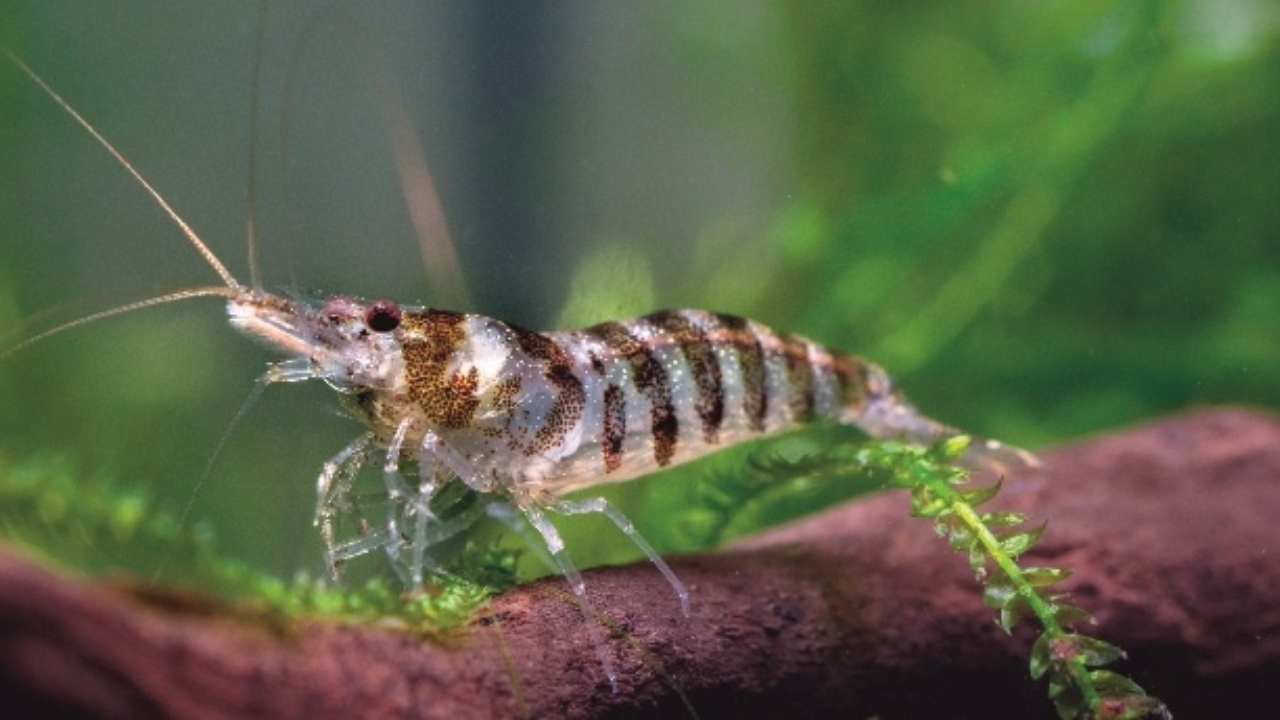
A significant event occurred in 1968 when opossum shrimp were introduced into Montana's lakes, leading to a drastic decline in the kokanee salmon population. This decline was primarily caused by the intense competition between the shrimp and young salmon for essential zooplankton, a crucial food source. As a result, the food chain in the lake became disordered.
The introduction of the shrimp had a profound impact on the lake's ecosystem, with the lake trout population thriving as they began to feed on the remaining salmon. This shift in the food chain had far-reaching consequences, irreparably altering the ecological landscape of Flathead Lake and affecting its indigenous fish communities.
The decline of the salmon population also had a ripple effect on other species that relied on them for food, including eagles and bears. These species, which had previously depended on the salmon as a vital source of nutrition, were left without a crucial food source.
The introduction of non-native species into an ecosystem can have severe and long-lasting consequences, as seen in this case. The disruption of the food chain and the decline of native species can have a lasting impact on the environment and the species that inhabit it.
In the context of Montana's lakes, the introduction of opossum shrimp has highlighted the importance of preserving the natural balance of ecosystems. The decline of the kokanee salmon population serves as a cautionary tale about the potential consequences of introducing non-native species into an environment.
The ecological landscape of Flathead Lake has been irreparably changed, and the impacts of this change will be felt for generations to come. The story of the Montana shrimp introduction serves as a reminder of the importance of responsible management and conservation of natural resources.
In conclusion, the introduction of opossum shrimp into Montana's lakes in 1968 had a profound and lasting impact on the ecosystem, leading to the decline of the kokanee salmon population and disrupting the food chain. This event highlights the importance of preserving the natural balance of ecosystems and the potential consequences of introducing non-native species into an environment.
Frequently asked questions
What happened when opossum shrimp were introduced into Montana's lakes?
The introduction of opossum shrimp led to a decline in the kokanee salmon population and disrupted the food chain.
How did the introduction of shrimp affect other species in the lake?
The decline of the salmon population affected species such as eagles and bears, which relied on the salmon as a food source.