
Pune Plans 50-Year Traffic Overhaul With Metro, Buses, Ring Roads
Pune to revamp traffic system, Union Minister Murlidhar Mohol calls for long-term planning.
'%3E%3Crect%20width%3D'96'%20height%3D'96'%20fill%3D'%23B3261E'%2F%3E%3Ccircle%20cx%3D'30'%20cy%3D'24'%20r%3D'44'%20fill%3D'%23fff'%20opacity%3D'.12'%2F%3E%3Ccircle%20cx%3D'60'%20cy%3D'74'%20r%3D'40'%20fill%3D'%23000'%20opacity%3D'.10'%2F%3E%3C%2Fg%3E%3Cg%20fill%3D'%23fff'%3E%3Crect%20x%3D'29'%20y%3D'49'%20width%3D'8'%20height%3D'19'%20rx%3D'1'%2F%3E%3Crect%20x%3D'39'%20y%3D'40'%20width%3D'9'%20height%3D'28'%20rx%3D'1'%2F%3E%3Crect%20x%3D'50'%20y%3D'45'%20width%3D'8'%20height%3D'23'%20rx%3D'1'%2F%3E%3Crect%20x%3D'60'%20y%3D'53'%20width%3D'7'%20height%3D'15'%20rx%3D'1'%2F%3E%3Crect%20x%3D'41'%20y%3D'34'%20width%3D'5'%20height%3D'6'%2F%3E%3C%2Fg%3E%3C%2Fsvg%3E)
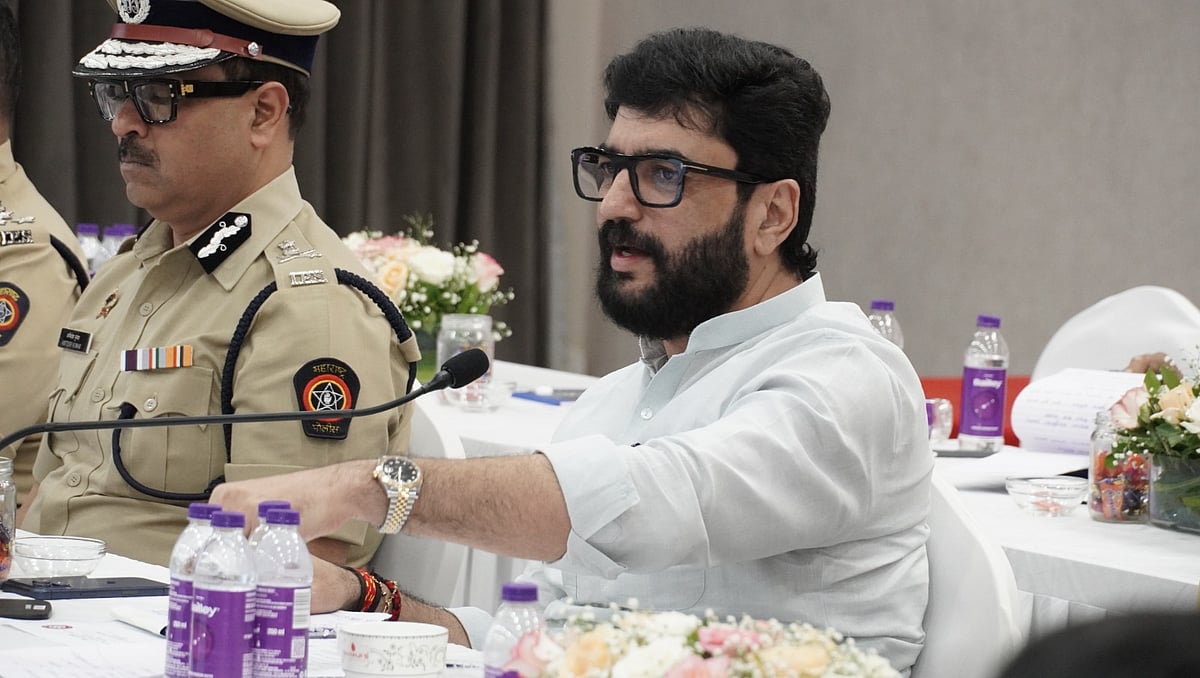
Union Minister of State and Pune MP Murlidhar Mohol has emphasized the need for a comprehensive 50-year traffic plan for Pune, incorporating metro expansion, enhanced bus services, ring roads, and bridges. Mohol made this statement at the Pune City Traffic Advisory Committee meeting held on August 18 at the Pune City Police Commissionerate.
The minister stressed that addressing immediate traffic concerns while creating infrastructure for future generations is crucial. Pune's growing population and increasing number of vehicles necessitate a well-planned traffic system. Mohol highlighted the city's emergence as a hub for education, industry, employment, and business, which has led to a surge in population and traffic.
To tackle the city's traffic woes, Mohol suggested strengthening public transport, including the addition of 3,000 to 4,000 buses in the coming years. He also emphasized the importance of creating necessary roads and infrastructure for bus transit. Furthermore, Mohol called for greater integration between different modes of public transport, such as metro expansion and increased bus services, to be planned in conjunction with road infrastructure, ring roads, missing links, and bridges.
The meeting also focused on addressing immediate traffic problems, including congestion, parking, encroachments, hawkers, and double parking. To tackle these issues, decentralized local traffic committees will be formed, comprising local public representatives, police officers, municipal officials, and prominent citizens. These committees will identify traffic problems in their respective areas and work with the police and municipal corporation to resolve them.
Police Commissioner Amitesh Kumar stressed the need to utilize technology to improve traffic management, including municipal security systems, volunteers, and available manpower. Kumar also highlighted the importance of local committees in bringing local problems to the administration's attention, enabling concerned agencies to take timely action.
Additional Commissioner of Police Manoj Patil presented a report on Pune's traffic problems and possible solutions, discussing local congestion and potential remedies. The meeting aimed to create a comprehensive plan to address Pune's traffic concerns and create a sustainable traffic system for the next 50 years.
The formation of decentralized local traffic committees and the emphasis on technology-driven traffic management are expected to play a significant role in addressing Pune's traffic woes. As the city continues to grow, a well-planned traffic system will be essential in ensuring the smooth flow of traffic and reducing congestion.
In conclusion, the Pune traffic plan overhaul is a step towards creating a sustainable and efficient traffic system for the city. With the integration of metro expansion, bus services, ring roads, and bridges, Pune is poised to become a model for traffic management in India. The success of this plan will depend on the effective implementation of the proposed measures and the cooperation of citizens, authorities, and stakeholders.
The long-term planning and vision for Pune's traffic system will have a significant impact on the city's development and growth. As the city continues to attract new residents and businesses, a well-planned traffic system will be crucial in maintaining the quality of life and ensuring the city's continued growth and prosperity.
Overall, the 50-year traffic plan for Pune is a comprehensive and ambitious initiative that aims to transform the city's traffic system. With its focus on sustainability, efficiency, and citizen participation, the plan has the potential to become a model for other cities in India and around the world.
In the coming years, Pune's traffic system is expected to undergo significant changes, with the introduction of new metro lines, bus services, and road infrastructure. The city's residents can expect a reduction in traffic congestion, improved air quality, and enhanced overall quality of life. As the city moves forward with its traffic plan, it is essential to monitor progress, address challenges, and make adjustments as needed to ensure the successful implementation of the plan.
The Pune traffic plan overhaul is a significant step towards creating a better future for the city and its residents. With its focus on long-term planning, sustainability, and citizen participation, the plan has the potential to become a model for traffic management in India and around the world. As the city continues to grow and develop, a well-planned traffic system will be essential in maintaining the quality of life and ensuring the city's continued growth and prosperity.
In the end, the success of the Pune traffic plan will depend on the cooperation and participation of all stakeholders, including citizens, authorities, and businesses. By working together, Pune can create a traffic system that is efficient, sustainable, and beneficial to all residents and visitors. The city's future depends on it, and with the right planning and implementation, Pune can become a model for traffic management in India and around the world.
The Pune traffic plan is a complex and multifaceted initiative that requires careful planning, coordination, and implementation. However, with the right approach and mindset, the city can overcome its traffic challenges and create a better future for its residents. The plan's emphasis on sustainability, efficiency, and citizen participation is a step in the right direction, and its success will have a significant impact on the city's development and growth.
As Pune moves forward with its traffic plan, it is essential to consider the potential challenges and obstacles that may arise. The city's residents, authorities, and stakeholders must work together to address these challenges and ensure the successful implementation of the plan. With careful planning, coordination, and implementation, Pune can create a traffic system that is efficient, sustainable, and beneficial to all residents and visitors.
In conclusion, the Pune traffic plan overhaul is a significant step towards creating a better future for the city and its residents. With its focus on long-term planning, sustainability, and citizen participation, the plan has the potential to become a model for traffic management in India and around the world. As the city continues to grow and develop, a well-planned traffic system will be essential in maintaining the quality of life and ensuring the city's continued growth and prosperity.
The Pune traffic plan is a comprehensive and ambitious initiative that aims to transform the city's traffic system. With its emphasis on sustainability, efficiency, and citizen participation, the plan has the potential to become a model for other cities in India and around the world. As the city moves forward with its traffic plan, it is essential to monitor progress, address challenges, and make adjustments as needed to ensure the successful implementation of the plan.
Overall, the 50-year traffic plan for Pune is a significant step towards creating a better future for the city and its residents. With its focus on long-term planning, sustainability, and citizen participation, the plan has the potential to become a model for traffic management in India and around the world. As the city continues to grow and develop, a well-planned traffic system will be essential in maintaining the quality of life and ensuring the city's continued growth and prosperity.
The success of the Pune traffic plan will depend on the cooperation and participation of all stakeholders, including citizens, authorities, and businesses. By working together, Pune can create a traffic system that is efficient, sustainable, and beneficial to all residents and visitors. The city's future depends on it, and with the right planning and implementation, Pune can become a model for traffic management in India and around the world.
In the end, the Pune traffic plan overhaul is a significant step towards creating a better future for the city and its residents. With its focus on long-term planning, sustainability, and citizen participation, the plan has the potential to become a model for traffic management in India and around the world. As the city continues to grow and develop, a well-planned traffic system will be essential in maintaining the quality of life and ensuring the city's continued growth and prosperity.
The Pune traffic plan is a complex and multifaceted initiative that requires careful planning, coordination, and implementation. However, with the right approach and mindset, the city can overcome its traffic challenges and create a better future for its residents. The plan's emphasis on sustainability, efficiency, and citizen participation is a step in the right direction, and its success will have a significant impact on the city's development and growth.
As Pune moves forward with its traffic plan, it is essential to consider the potential challenges and obstacles that may arise. The city's residents, authorities, and stakeholders must work together to address these challenges and ensure the successful implementation of the plan. With careful planning, coordination, and implementation, Pune can create a traffic system that is efficient, sustainable, and beneficial to all residents and visitors.
The Pune traffic plan overhaul is a significant step towards creating a better future for the city and its residents. With its focus on long-term planning, sustainability, and citizen participation, the plan has the potential to become a model for traffic management in India and around the world. The city's future depends on it, and with the right planning and implementation, Pune can become a model for traffic management in India and around the world.
What it means for Pune is that the city is taking a significant step towards creating a better future for its residents. The traffic plan overhaul is a comprehensive and ambitious initiative that aims to transform the city's traffic system. With its emphasis on sustainability, efficiency, and citizen participation, the plan has the potential to become a model for other cities in India and around the world. As the city moves forward with its traffic plan, it is essential to monitor progress, address challenges, and make adjustments as needed to ensure the successful implementation of the plan.
In conclusion, the Pune traffic plan overhaul is a significant step towards creating a better future for the city and its residents. With its focus on long-term planning, sustainability, and citizen participation, the plan has the potential to become a model for traffic management in India and around the world. The city's future depends on it, and with the right planning and implementation, Pune can become a model for traffic management in India and around the world.
Frequently asked questions
What is the Pune traffic plan overhaul about
The Pune traffic plan overhaul is a comprehensive and ambitious initiative that aims to transform the city's traffic system by integrating metro expansion, bus services, ring roads, and bridges.
What are the key components of the Pune traffic plan
The key components of the Pune traffic plan include metro expansion, bus services, ring roads, bridges, and decentralized local traffic committees.