Derek O'Brien Asks PM Modi for All-Party Meet
Trinamool leader seeks discussion on delimitation and foreign contribution bills.
'%3E%3Crect%20width%3D'96'%20height%3D'96'%20fill%3D'%231A5276'%2F%3E%3Ccircle%20cx%3D'30'%20cy%3D'24'%20r%3D'44'%20fill%3D'%23fff'%20opacity%3D'.12'%2F%3E%3Ccircle%20cx%3D'60'%20cy%3D'74'%20r%3D'40'%20fill%3D'%23000'%20opacity%3D'.10'%2F%3E%3C%2Fg%3E%3Cg%20fill%3D'%23fff'%3E%3Cpath%20d%3D'M31%2041%20L48%2031%20L65%2041%20Z'%2F%3E%3Crect%20x%3D'33'%20y%3D'43'%20width%3D'4'%20height%3D'17'%2F%3E%3Crect%20x%3D'41'%20y%3D'43'%20width%3D'4'%20height%3D'17'%2F%3E%3Crect%20x%3D'51'%20y%3D'43'%20width%3D'4'%20height%3D'17'%2F%3E%3Crect%20x%3D'59'%20y%3D'43'%20width%3D'4'%20height%3D'17'%2F%3E%3Crect%20x%3D'30'%20y%3D'62'%20width%3D'36'%20height%3D'4'%20rx%3D'1'%2F%3E%3C%2Fg%3E%3C%2Fsvg%3E)
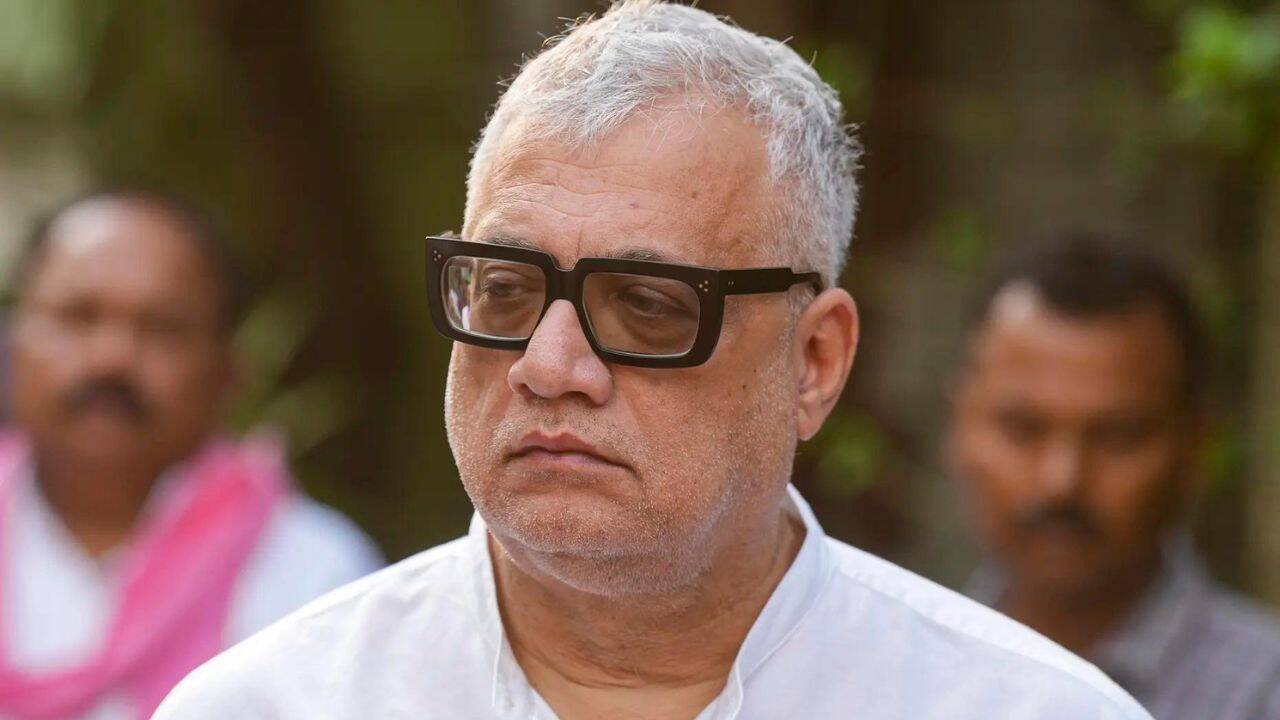
Trinamool Congress leader Derek O'Brien has written to Prime Minister Narendra Modi, urging him to convene an all-party meeting to discuss two proposed legislative measures. The meeting would focus on the delimitation legislation and the Foreign Contribution Amendment bill, which O'Brien described as 'draconian' and 'cowboy legislation' in his letter to the Prime Minister.
O'Brien's letter expresses concerns over the potential impact of these measures on the country. The opposition fears that the delimitation exercise could lead to a reduction in parliamentary representation for southern states. This has sparked worries among opposition parties, who believe that such a move could have significant implications for the political landscape of the country.
The delimitation legislation aims to redefine the boundaries of parliamentary constituencies. However, opposition parties are concerned that this exercise could be used to favor certain regions or communities over others. The Foreign Contribution Amendment bill, on the other hand, seeks to tighten government oversight of charitable organizations. This has raised concerns among NGOs and civil society groups, who fear that the bill could be used to stifle dissent and restrict their activities.
O'Brien's call for an all-party meeting reflects the growing concern among opposition parties over the government's legislative agenda. The Trinamool Congress leader has urged the Prime Minister to engage in a constructive dialogue with opposition parties, rather than resorting to 'cloak-and-dagger tactics'. This appeal for a more transparent and inclusive approach to lawmaking is likely to resonate with other opposition parties, who have also expressed concerns over the government's handling of key legislative measures.
The delimitation legislation and the Foreign Contribution Amendment bill are part of a broader set of legislative measures that the government has proposed in recent months. These bills have sparked intense debate and discussion, with opposition parties arguing that they could have far-reaching implications for the country's democratic institutions and civil society.
In the context of India's parliamentary system, the delimitation exercise is a critical process that can have significant implications for the representation of different regions and communities. The last delimitation exercise was conducted in 2008, and the proposed legislation aims to update the boundaries of parliamentary constituencies to reflect changes in population and demographic trends.
The Foreign Contribution Amendment bill, on the other hand, is part of a broader effort by the government to regulate the activities of NGOs and civil society groups. While the government has argued that the bill is necessary to prevent the misuse of foreign funds, opposition parties and civil society groups have expressed concerns that it could be used to stifle dissent and restrict the activities of legitimate organizations.
In conclusion, Derek O'Brien's call for an all-party meeting reflects the growing concern among opposition parties over the government's legislative agenda. The proposed delimitation legislation and the Foreign Contribution Amendment bill have sparked intense debate and discussion, and it remains to be seen how the government will respond to these concerns. As the country's democratic institutions continue to evolve, it is essential that the government engages in a constructive dialogue with opposition parties and civil society groups to ensure that legislative measures are transparent, inclusive, and responsive to the needs of all citizens.
The significance of this development lies in its potential impact on the country's democratic institutions and the representation of different regions and communities. As the government moves forward with its legislative agenda, it is essential that it engages in a constructive dialogue with opposition parties and civil society groups to ensure that the rights and interests of all citizens are protected.