SC Orders Challan for 56% Uninsured Vehicles
Uninsured vehicles to face challans, possible fuel denial.
'%3E%3Crect%20width%3D'96'%20height%3D'96'%20fill%3D'%23B3261E'%2F%3E%3Ccircle%20cx%3D'30'%20cy%3D'24'%20r%3D'44'%20fill%3D'%23fff'%20opacity%3D'.12'%2F%3E%3Ccircle%20cx%3D'60'%20cy%3D'74'%20r%3D'40'%20fill%3D'%23000'%20opacity%3D'.10'%2F%3E%3C%2Fg%3E%3Cg%20fill%3D'%23fff'%3E%3Crect%20x%3D'29'%20y%3D'49'%20width%3D'8'%20height%3D'19'%20rx%3D'1'%2F%3E%3Crect%20x%3D'39'%20y%3D'40'%20width%3D'9'%20height%3D'28'%20rx%3D'1'%2F%3E%3Crect%20x%3D'50'%20y%3D'45'%20width%3D'8'%20height%3D'23'%20rx%3D'1'%2F%3E%3Crect%20x%3D'60'%20y%3D'53'%20width%3D'7'%20height%3D'15'%20rx%3D'1'%2F%3E%3Crect%20x%3D'41'%20y%3D'34'%20width%3D'5'%20height%3D'6'%2F%3E%3C%2Fg%3E%3C%2Fsvg%3E)

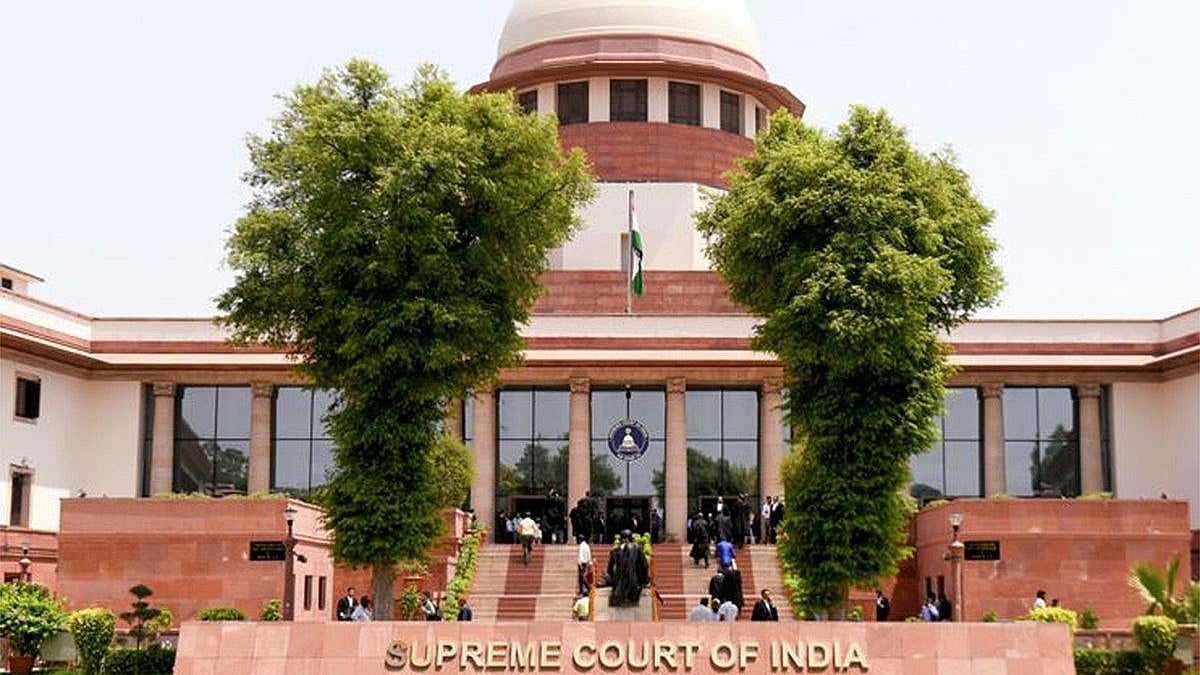
The Supreme Court has directed that 56% of vehicles on Indian roads without insurance be issued challans. This move aims to curb the high number of uninsured vehicles and ensure compliance with traffic regulations.
The court's decision comes as a response to the alarming number of vehicles operating without valid insurance, posing a significant risk to road users. The Supreme Court has suggested that petrol pumps and gas stations deny fuel to such vehicles, further emphasizing the need for strict enforcement of traffic laws.
According to the court, the lack of insurance coverage for these vehicles is a serious concern, and immediate action is necessary to address this issue. The court's directive is expected to have a significant impact on vehicle owners who have not renewed their insurance policies or have never insured their vehicles.
The Supreme Court's decision is part of a broader effort to improve road safety and reduce the number of accidents on Indian roads. The court has been actively involved in addressing various issues related to traffic management and road safety, including the implementation of stricter penalties for traffic violations.
In recent years, the number of vehicles on Indian roads has increased significantly, leading to a rise in traffic congestion and accidents. The Supreme Court's decision to crack down on uninsured vehicles is seen as a crucial step towards ensuring that all vehicles on the road are properly insured and accountable in case of accidents.
The court's suggestion to deny fuel to uninsured vehicles is also expected to have a significant impact on vehicle owners who have not complied with insurance regulations. Petrol pumps and gas stations may be required to check the insurance status of vehicles before refueling, which could lead to a significant reduction in the number of uninsured vehicles on the road.
The Supreme Court's decision has been welcomed by road safety experts and traffic authorities, who believe that it will help to reduce the number of accidents and improve overall road safety. However, the implementation of the court's directive may face challenges, particularly in rural areas where access to insurance services may be limited.
In conclusion, the Supreme Court's decision to challan uninsured vehicles and deny them fuel is a significant step towards improving road safety and reducing the number of accidents on Indian roads. The court's directive is expected to have a major impact on vehicle owners who have not complied with insurance regulations, and it is likely to lead to a significant reduction in the number of uninsured vehicles on the road.
The move is also expected to increase awareness about the importance of vehicle insurance and encourage vehicle owners to renew their insurance policies or purchase new ones. As the Supreme Court continues to play a crucial role in addressing issues related to road safety, its decision to crack down on uninsured vehicles is a welcome step towards creating a safer and more accountable driving environment in India.
Overall, the Supreme Court's decision is a significant development in the efforts to improve road safety and reduce the number of accidents on Indian roads. It is likely to have a major impact on vehicle owners and insurance companies, and it is expected to lead to a significant reduction in the number of uninsured vehicles on the road.
Frequently asked questions
What percentage of vehicles are uninsured in India?
56% of vehicles in India are uninsured.
What action has the Supreme Court suggested for uninsured vehicles?
The Supreme Court has suggested issuing challans and denying fuel to uninsured vehicles.